
LeBron’s Lack of Help — Quantified
The long NBA season ended in a dismal sweep of the Cavaliers last Friday night. Golden State persevered through a Western Conference Finals matchup that looked like it would feature the Rockets to represent the west in The Finals after game 5. Klay Thompson promptly ripped nine 3’s in game 6, KD carried an impressive 34 point load in game 7, and Steph paced both games with five 3’s in each game. I hate to state the obvious here, but The Finals was not anywhere near as competitive or entertaining to watch. The loaded Western Conference was a shoe-in to hoist the championship trophy when it was all said and done, but this championship series overtly felt anti-climatic.
The Cavs were noticeably outmanned the entire season really, barely earning a #4 seed. LeBron did LeBron things after that and put everyone into his JanSport backpack and dragged them to his eighth consecutive Finals appearance. I have been thinking a lot about just how bad the supporting cast was this year for him relative to the previous seven seasons, so I dug a little deeper.
Methodology
Sabremetrics. I love the ideas and work that has been done to try and quantify a player’s contributions in a team sport. Using VORP (Value over Replacement Player) from Basketball Reference, we can see that LeBron was surrounded by players that made a marginal impact above or below what a minimum salaried player would theoretically add to the team. If you closely follow baseball this is the equivalent to the WAR metric that is used by spectators and Moneyball analysts, alike. You can read more about the derivation of the VORP equation here. In summation, the formula takes the BPM (Box Plus/Minus) rate and converts it into contributions on a per 100 possession basis giving a linearly scaled figure that takes into account the % of minutes that an individual plays. This BPM rate accumulates rebounds, assists, steals, blocks, scoring as well as less intuitive metrics such as a player’s weighted scoring against how accurate his or her teammates are from the field. You can also read more about this formula here. Anyway, back to the Cavs and how little help LeBron had.
Rock Bottom
Whether you agree with using a metric such as VORP to holistically measure player performance or not, the data shows a tremendous drop from last year to this year. When I averaged the data for the “Rest of Team” I also used Minutes Played as a control variable. VORP does this already but I took it a step further by eliminating players that averaged 10 minutes or less per game. Garbage time players like Cedi Osman should not be able to shift the data in a meaningful way… sorry Cedi.
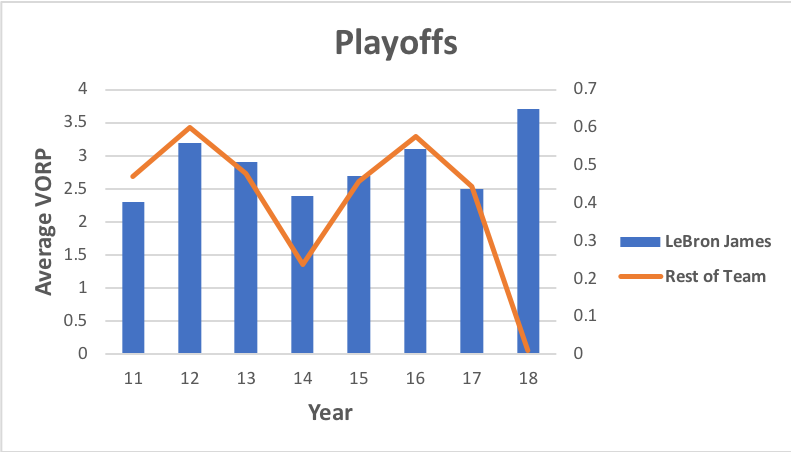
Figure 1 source: https://www.basketball-reference.com/
We see in this graphic (Lebron on the left vertical axis and Rest of Team on the right vertical axis) how LeBron’s VORP was at its highest during the playoffs during the years that they won: 2012, 2013, 2016, along with this year, 2018. LeBron’s teammates also had their highest VORP averages in, lo and behold, 2012, 2013, and 2016. This year however, not so much. You can see the data in the table below.
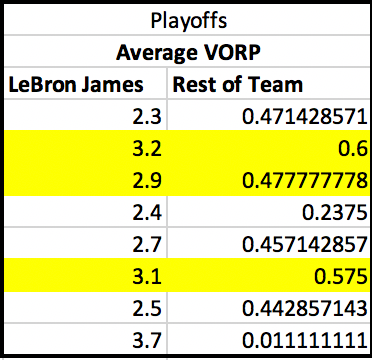
Table 1 source: https://www.basketball-reference.com/
The regular season is also a good indicator of Finals outcomes. I am including this graph as well but we will continue further analysis by exclusively diving into playoff performances. Players or entire starting lineups (looking at Coach Pop right now) will take stretches of games off during the first 82 games, and let’s be honest, players are not giving 100% every single play as opposed to the post-season.
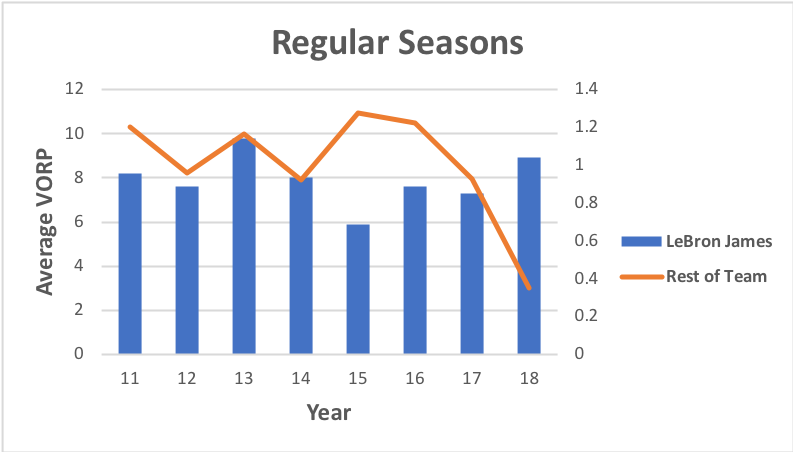
Figure 2 source: https://www.basketball-reference.com/
Apples to Oranges
So what does it take for a supporting cast around LeBron to win a championship? Using our VORP framework, I cross-compared The Finals opponents’ average VORP from the past eight years against the average VORP of LeBron’s “Rest of Team” column in Table 1. As a reminder, I don’t include LeBron in this categorization, so I also did not include the player with the highest VORP on each opponent’s team. The players left out in each year can be seen in Table 2. The biggest questions though from this side-by-side regression in Figure 3 are:
- Why does the Cavs supporting cast always have a lower VORP despite Finals outcome?
- Why are these trends seemingly negatively correlated?
It seems to me that the common denominator could very well be LeBron doing too much or him always not having enough help. Even in a Finals victory, his teammates do not reach the same level of VORP as the opponents’ VORP. The answer to the second question may be an exacerbation of the same answer. That is, LeBron’s supporting cast does even less as the opponent is contributing more, potentially as a product of LeBron going into takeover mode. Whether you agree with LeBron trying to take over the game can not necessarily be argued because he is one of the greatest of all-time. If he wants to take over then he should and that decision is warranted by his greatness. However, the numbers do not lie that when the opponents’ supporting cast has a higher value then LeBron’s supporting cast value drops and vice versa.
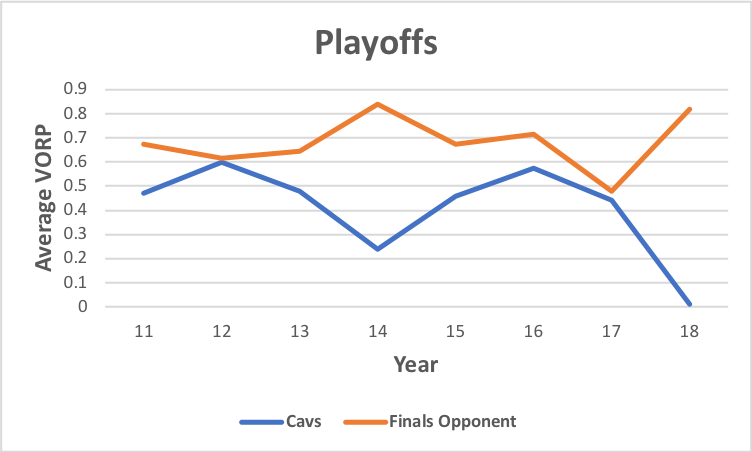
Figure 3 source: https://www.basketball-reference.com/
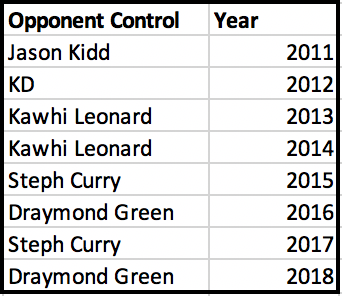
Table 2 source: https://www.basketball-reference.com/
Sandwich Eaters
Other championship-caliber team performances are striking relative to the Cavs/Heat the past 8 years. VORP proves to have enough significance that it is worth taking another look through a different lenses, the delta of inter-team performance during the playoffs. I highlight how certain players and positions have digressed over time earning the title of Sandwich Eater. My high school football offensive coordinator proudly coined that term for anyone on the team looking to get a free pre-game meal Friday afternoon after the 6th period bell in the cafeteria. Pretty ingenious diss looking back at it because there were plenty doing exactly that on a roster of 120+ kids. I would like to think there are some parallels to the folks surrounding LeBron despite them being professional athletes. Anyway, I also digress.
Let’s start with the player who probably has a 2k Awareness rating of 12% after he wanted to make sure he took the ball back out in Game 1 this year, the one and only J.R. Smith. His VORP went from a peak of 1.2 to 0 this year. The point guard position went from a peak of 1.3 with Kyrie to 0.1 this year with George Hill. Tristan Thompson showed steady promise until this year with a sharp decline to 0.1 (thanks Khloe). As for Kevin Love, he followed suit with everyone else and hit beyond rock bottom at -0.1 this year.
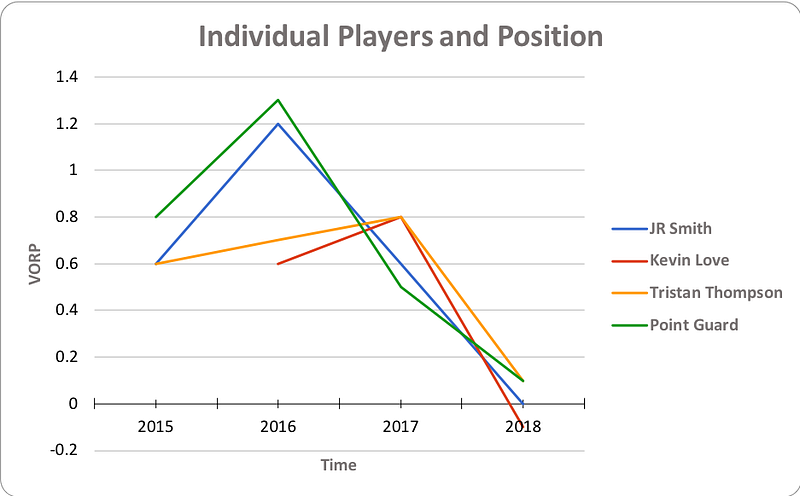
Figure 4 source: https://www.basketball-reference.com/
Untarnished Legacy, Lifestyle, or Leapfrog
Jalen Rose clearly laid out yesterday morning on Get Up that LeBron really has three choices this offseason. He can maintain his legacy status as the King of Cleveland who came back and brought the city a championship. He could also entertain a larger market that would bring unlimited attention to himself and potentially other players that would want to join him. Lastly, he can make dedicated efforts to championships to leapfrog MJ as the greatest of all-time. LeBron has received a lot of heat recently for going 3/9 in The Finals while Jordan went 6/6. Personally, I hope he chooses championships through the Sixers or Wizards. These teams allow for an easier path to The Finals by staying in the East. Using the teams with the highest probability of securing James, let’s breakdown our VORP model winner.
Our framework for determining where LeBron goes next takes into account the top six teams listed from Odds Shark and the playoff VORP for each team, or their regular season VORP scaled down if they didn’t make the playoffs this year (cough, cough Lakers).
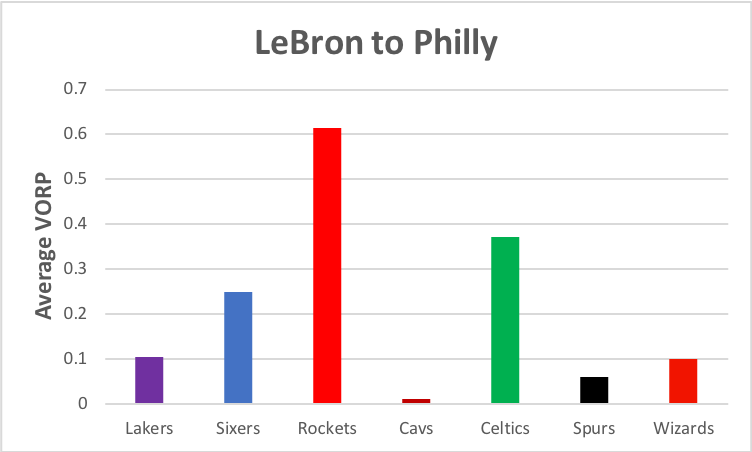
Figure 5 source: https://www.basketball-reference.com/
LeBron should go to Houston from a VORP model perspective. The Rockets by themselves were close to hitting the .81 average that the Warriors hit this year, and with LeBron, that could be very achievable. However, there are other factors that need to be considered like which conference, proximity to Cleveland for his family, team fit, and available cap space for an inevitable maximum contract. Philly checks all of these boxes:
- Eastern Conference contender
- 431 miles away from Cleveland if Bronny stays put
- Young talent to mentor with no baggage (e.g. Kyrie at Boston)
- About $31 million in cap space
I am a believer that LeBron has 5–7 years left to play and Philadelphia could be one stop along the way that shows immediate fruit relative to rejoining Cleveland. There is no reason that whatever team LeBron is on next year should not be more competitive in The Finals than the ragtag group he was on this year.
If you want further analysis on anything I covered here, feel free to shoot me an email at [email protected]
Thanks for Reading!