
NATURE
How to Leave No Trace: 7 Key Principles
Enjoy the outdoors while keeping it natural
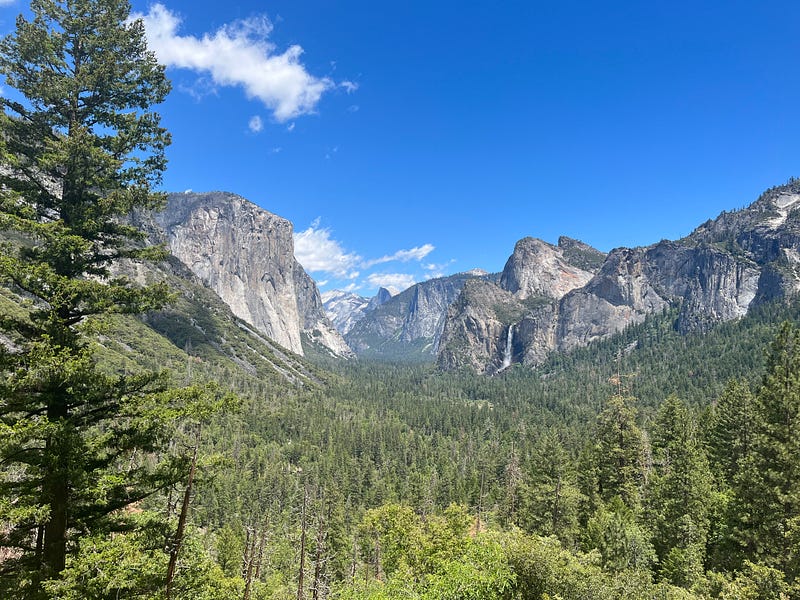
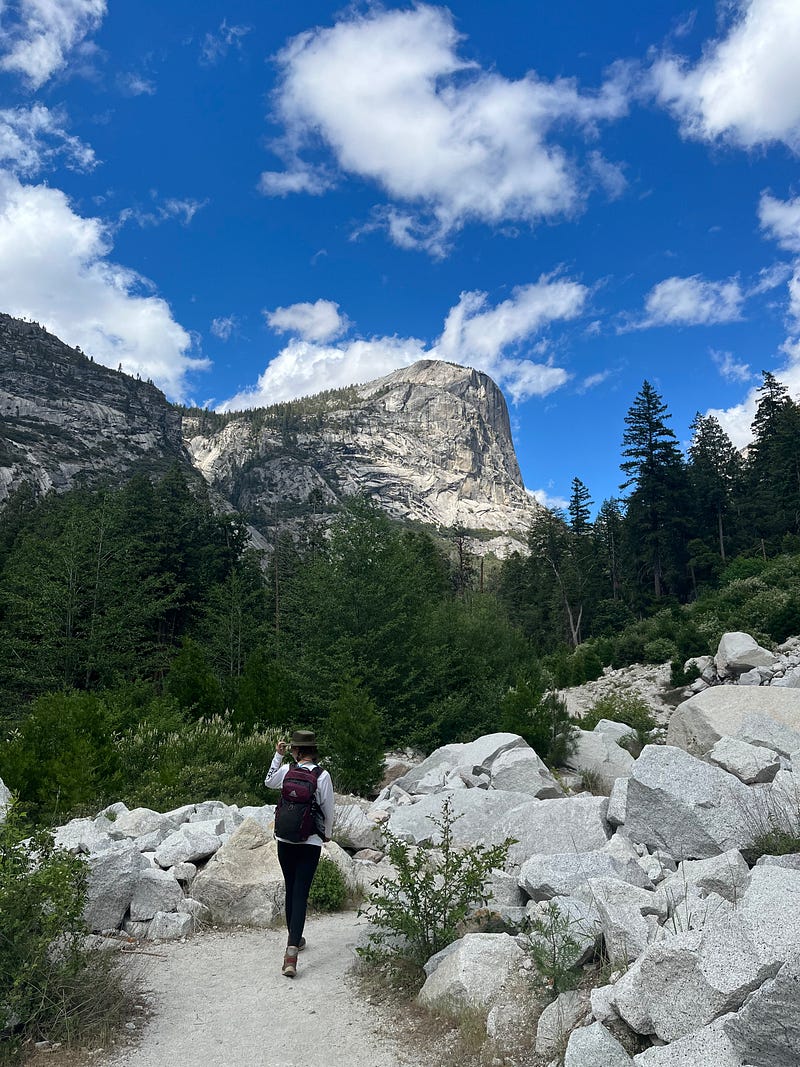
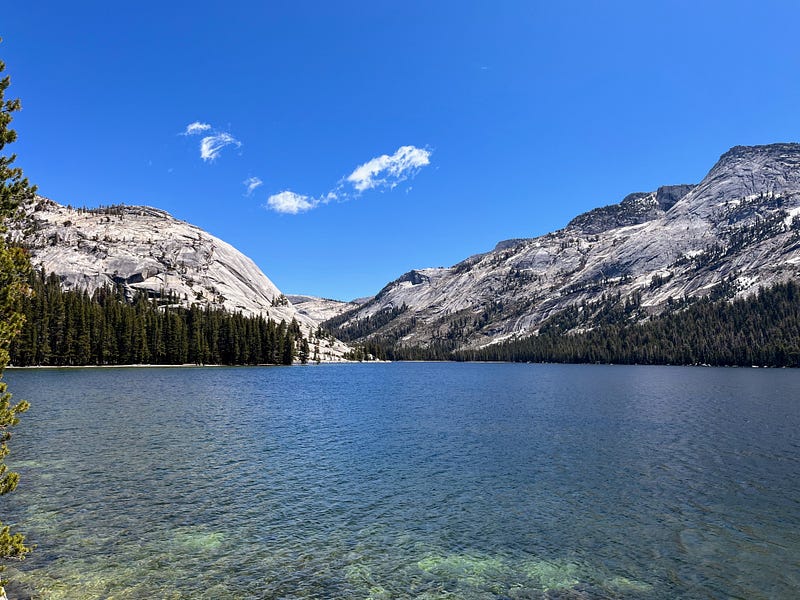
I recently took a three-day camping trip to Yosemite National Park. Having gone to seven national parks in the last two years, I can confidently say that I’ve seen a lot, and Yosemite is by far my favorite. The towering granite cliffs, gorgeous waterfalls, and lush meadows felt like entering another world.
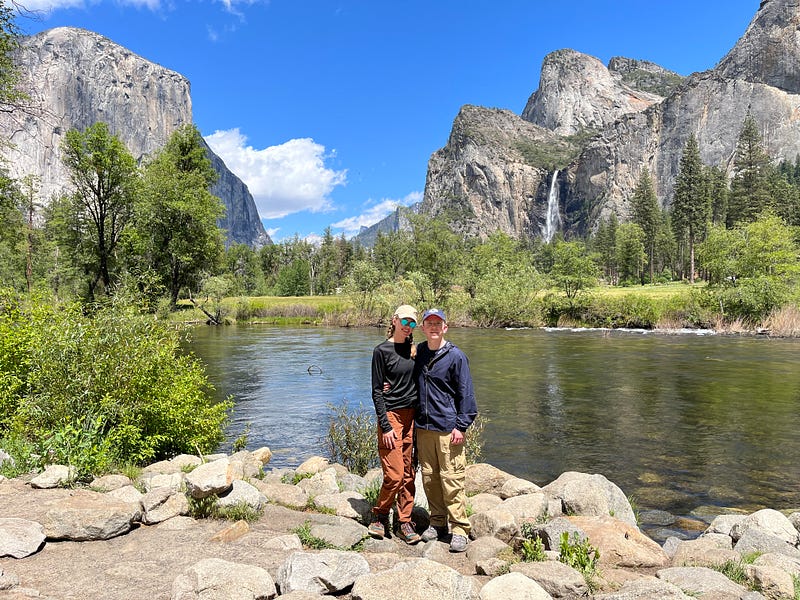
This world, of course, included a lot of tourists. And while we were able to escape the crowds on longer, more remote hikes, we could not avoid them at the more popular attractions. There, I witnessed people going off-trail: trampling delicate plants and climbing into rivers that are known to be dangerous. Some people took sticks, rocks, and pinecones from the trail, presumably as “free” souvenirs. And there were plenty of dog owners and bikers that ignored the posted signage to keep off the hiking trails.
As an avid enjoyer of the outdoors, I have a deep respect for the natural world. I do my very best to Leave No Trace, a practice that can be summed up as
“Leave only footprints; take only pictures.”
Basically, you want to leave nature precisely the way you found it in an effort to preserve the ecosystem and its beauty. Leave No Trace has seven principles, each detailing ways to practice Leave No Trace wherever you are — remote backcountry, crowded parks, or even your own backyard.
Principle 1: Plan ahead and prepare
Be sure to take the necessary measures to plan and prepare for your trip. Think about what supplies you need to bring — maps, food, water, first aid, etc. Plan out your routes — know where you’re going and how long it should take. Will bathrooms and potable water be available? If not, plan accordingly! Taking time to plan your excursion will help you stay safe and minimize your impacts on the ecosystem.
Principle 2: Travel and camp on durable surfaces
When traveling outdoors (whether by foot, car, or bike), avoid damaging the natural ecosystem. Going off-trail can cause plants and the organisms living around them to be trampled, sometimes beyond recovery. Stick to marked trails; they’re there for a reason! Don’t try to take shortcuts, as it could lead to you getting lost, endangering your safety, or harming the ecosystem.
Principle 3: Dispose of waste properly
There are all kinds of waste products you might produce as you’re enjoying the outdoors. Food wrappers probably come to mind — these should be disposed of in secure waste bins, if available, or packed out. You may also need to dispose of human waste, though I’ll spare you the details here. Plenty of information on the best practices for disposing of human waste can be found on the Leave No Trace website.
Principle 4: Leave what you find
Again, there are many ways you should leave the outdoors unaltered. When camping, don’t build anything. If you make any alterations (think clearing rocks or making small campfire rings), restore them before you leave. Don’t carve your initials into trees, and avoid hanging things from them. Don’t take flowers, leaves, rocks, or sticks home — you may think taking one is okay, but if everyone took one it would become a big problem!
Principle 5: Minimize campfire impact
Campfires can be one of the best parts of camping, but they can harm the ecosystem! If you need to cook, consider using a camp stove. You won’t need to collect firewood, and they operate in almost any weather condition! If you want to build a fire, consider the fire danger, any restrictions in the area, and whether there is sufficient wood available. And when you’re done making s’mores, remember to extinguish your fire completely!
Principle 6: Respect wildlife
Give animals distance. Observe them quietly, and don’t try to approach them. Don’t feed wildlife, and store food securely so they can’t get to it. In some cases, animals that have become accustomed to humans and our food have to be euthanized! This is especially true for bears in national parks. Don’t doom animals to this fate — store your food and waste securely, and leave wildlife alone!
Principle 7: Be considerate of others
This one is pretty self-explanatory — everyone has the right to enjoy nature. Keep noise to a minimum, control your pets, and protect nature’s beauty so everyone has a chance to enjoy it!
And that’s that! These seven principles can help you enjoy the natural world while being more conscious and considerate of your impacts. Happy adventuring!
Did you enjoy this article? Follow me for more! Support me and my Medium journey by signing up for a membership!
Also, check out some of my other articles below!