avatarAgnes Laurens

Summary

The content provides a personal account and practical exercises for learning vibrato on the violin, emphasizing both taught techniques and natural development.

Abstract

The article discusses the author's experience with learning vibrato on the violin, which was a combination of formal instruction and intuitive understanding. The author shares a series of exercises designed to develop vibrato technique, including finger exercises without the bow, arm movements, and gradual speed increase. The exercises focus on using each finger, practicing on every string, and maintaining proper violin posture. The author emphasizes that the order of exercises is flexible and encourages persistence and enjoyment in the practice process, acknowledging that it may take months to develop a good vibrato sound. Additionally, the author notes that their oldest child developed vibrato naturally without explicit practice.

Opinions

  • The author believes that vibrato can be taught through specific exercises and techniques.
  • Persistence and enjoyment are key to successfully learning vibrato.
  • There is an acknowledgment that vibrato may develop naturally for some individuals, as was the case with the author's child.
  • The author suggests that the correct posture and attitude are important for learning vibrato.
  • It is implied that there is no single correct order for practicing the vibrato exercises.
  • The author encourages a gradual approach to increasing the speed of vibrato exercises.

Learning vibrato on the violin

This is an answer I wrote on Quora with the question: Were you taught vibrato, or did it just come to you naturally?
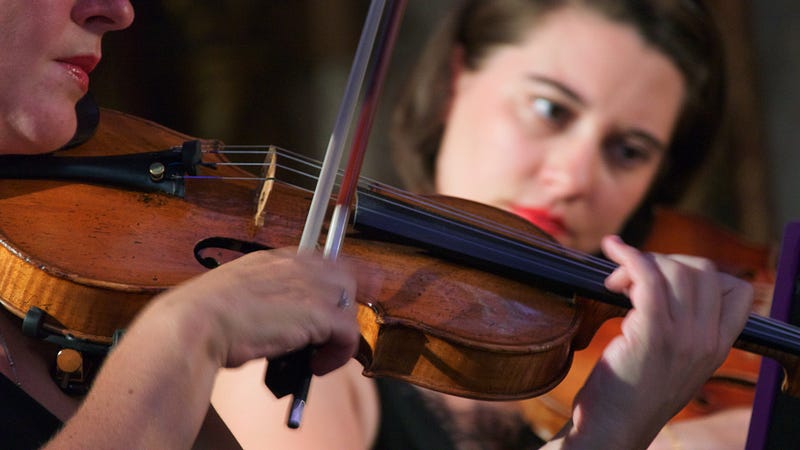
Photo by Pascal Bernardon on Unsplash

Yes, I have been taught vibrato. But I also felt the way I should play vibrato. At an early age, I learnt to play the violin quickly but never really practised the way I should practice. I knew how I should practise. But then I learnt a few tricks:

  1. Knocking the door with each finger of your left hand and have your violin attitude. Slowly, a little bit faster and then in a tempo of the piece. With each finger.
  2. Put your finger on your right arm and go back and forth with each finger. Slow and fast.
  3. Take your violin as you should play. Practise this exercise with each finger and on every string. Put your first finger on the string. Begin on the E-string. Go back and go forth with that finger and do it slowly and each time a bit faster. Until you get the feeling you have the right vibrato. No bow needed.
  4. Take your violin in the violin attitude. Go with your left hand over the fingerboard from beginning to the end of the fingerboard. Slowly. But watch time try being shorter until you stay on the place your finger play.
  5. Practise number 3 again but with now with your bow and try the sound.

The order of the exercises doesn’t matter. Try and keep focused. And enjoy. No harm when you don’t get it right. It can take some months before you have a sound in the first place.

My oldest got the vibrato by herself without practising any of those exercises. She got it naturally.

Good luck and enjoy. Keep smiling.

Originally published at http://quora.com.

Music
Violin
Vibrato
Recommended from ReadMedium