
Learning to Love the Missing Year
A guide to intentional learning and living in tough times
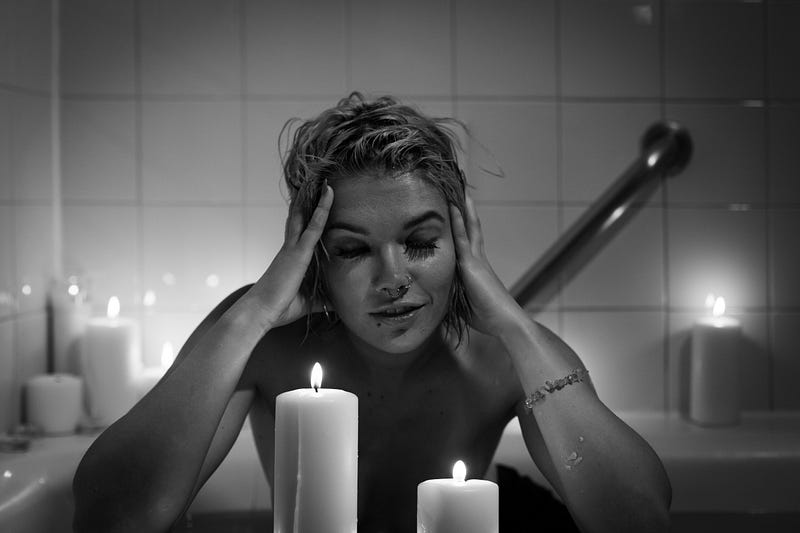
Within the first three months of 2020, every single plan I made for the year went right out the window. Out with it went the excitement, and it was replaced by disappointment, uncertainty, and a growing sense of loss. But it felt selfish to complain about all my small losses in the face of such overwhelming global grief.
John Pavlovitz recently referred to this year as “the missing year” and broke down the collective grief we’re all experiencing. It’s more than just the loss of life around the world. We’ve lost so many experiences, large and small, that we anticipated in a year we’ll never get back.
Many of us have been grieving without fully recognizing it. We’ve been too busy arguing politics, baking bread, and trying to keep our heads above water to recognize that all the stages of grief are right here with us.
- Denial — We can see the denial clearly in everyone who has steadfastly refuted science in an effort to control their environment.
- Anger — We witness the anger in the heated social and political climate — but also in how we respond to the challenges around us. Anger might be one of the strongest emotions that we see at work around us. We see it in hate groups simmering all over the country, but we equally see it in protests rising up against injustice. What we often miss is the grief it covers.
- Bargaining — Bargaining is everywhere in the way we keep negotiating the rules, hoping for a reprieve. We wear our masks or don’t. We take vacations or don’t. We follow all the rules or defy them, all hoping to be spared another loss.
- Depression — Depression seems even more common as many of us have lost our focus and are struggling to get through tasks that wouldn’t have phased us before.
- Acceptance — So many of us are struggling with acceptance right now. We don’t just struggle with accepting this year for what it is; we also struggle to make peace with all the losses we’ve sustained — and all the ones we may be facing as the pandemic continues.
The collective grief is obvious, and it may seem impossible to learn to love this missing year. How can we when we can’t even conceptualize the full amount of losses we’ve suffered? Yet, this year — perhaps more than any other — has life lessons tucked inside, just waiting for us to discover them.
To learn to love this year, we may need to embrace a new perspective.
Instead of adding up our losses, we can focus on how this year has made us better.
Being able to find the lessons in the hardship can provide valuable information. In looking back at my own challenges, I can see that I have shown more resourcefulness this year than any other.
I’ve learned to garden, contributing to a healthier environment. I’ve started cycling, improving my physical health. I’ve engaged more with my children in the hours they were home during the school year. I’ve learned to better manage my time and direct myself toward short, doable tasks rather than trying to hold myself to pre-pandemic standards.
Shifting our focus to gains and gratitude can help us put the entire year in perspective. While this doesn’t negate our grief, it can help us find a silver lining. Often, our most powerful growth will come from these challenges. We can grieve without invalidating our losses and still be grateful for the growth that came from it.
We can allow the challenges to clarify our priorities.
With travel bans in place, the importance of travel in my life became readily apparent. I also realized that the social distancing restrictions highlighted my need for in-person quality time with friends and for the types of physical touch we easily take for granted, like hugs or a handshake.
Recognizing the areas in which we experience feelings of loss can help us shift our priorities. By better understanding ourselves, we can move forward aligning our lives mindfully with our values rather than falling into habits that no longer meet our needs.
Clarifying our priorities is also important when our time and energetic resources are depleted. It becomes essential to be able to intentionally answer requests that place demands on our time and resources. We learn to say “no” to demands that are simply outside of the scope of our emotional resources if we want to practice a healthy level of self-caring. We also learn to say “yes” to ourselves when it comes to an improved self-care practice.
We can choose to work within our means and restrictions to make the best possible life.
This one was the most obvious challenge. Creating a welcoming environment in our homes while experiencing an economic downturn isn’t easy. But for many of us, it became a mental health necessity to make the most out of our surroundings.
It can be as easy as putting up fairy lights inside the home or lighting candles in the evening. It could look like baking together as a family or enjoying a cozy movie night in as opposed to a night out. Finding ways to positively address the restrictions can actually help us feel less restricted. We can empower ourselves to make the best of an inarguably difficult situation.
We can use this time to create better habits.
At times of high stress, focusing on quitting bad habits can be exacerbated by our anxiety. Instead of adding undue pressure to ourselves, we can consider cultivating more positive habits. Adding a meditation routine in our day or drinking an extra glass of water can contribute to a healthier state of mind.
Rather than having a focus on scarcity and deprivation, we can set goals with a positive new routine in mind, like adding an extra vegetable to our plates, getting at least a minimal amount of exercise each day, or getting more sleep.
We can embrace the possibilities of an uncertain year.
In the words of Mandy Hale, “When nothing is certain, anything is possible.” Opening ourselves up to the possibilities rather than clinging to our plans may be one of the most valuable lessons we can get out of a year like this.
I know that I never imagined most of what has happened this year, but I have learned to be less rigid in my thinking when it comes to planning my life. While it may feel like this is the year of missing out on so much of our lives, the reality is that our lives are still happening — and we don’t need to miss out on them completely.
Embracing the possibilities can help us center our focus on the present rather than living in a “normal” past or an imagined future. It helps us become more aware of alternative paths when we’re blocked from following the ones we’d planned. Learning to be a little more flexible and patient with the process is an invaluable life lesson we could all use.
I look back at the incredible challenges of the year to date, and while it’s not the year I would have chosen, I am coming to accept that it’s the year I have. I have a greater appreciation for my own resilience and resourcefulness, a stronger love for the distant support system that has gotten me through it, and a certainty that I can handle whatever comes next, even if it takes some adjusting before I can find the necessary perspective for gratitude.
In the end, we still may not love this year, but we might be able to live it as fully and as intentionally as possible. We’ve missed so much already. We don’t need to miss any more.