
Learning to Love Spicy Food
From meat and potatoes to curry and rice is a huge change.
As I was growing up in Iowa, the food was very wholesome and very bland. Onions were used both at home and at school, but no garlic, ginger, or chilies were ever used. Of course, there was salt and pepper on everything, and ketchup and very mild mustard were usually served with hotdogs and hamburgers. Cinnamon and nutmeg were added to cakes or cookies but I don’t remember any other spices ever being in our house. The food served from on-campus sources during my university days was much the same. I remember a lot of hamburgers, macaroni and cheese, and some tuna sandwiches.
Everything changed when I became a Peace Corps Volunteer and was sent to Malaysia to live and teach. My volunteer group went into a 3-month training session for language and culture. During this time, we all ate together and we ate what was served. Breakfast became a large bowl of rice porridge. Lunch was rice and curry. Dinner was rice and more curry. We had curry vegetables, curry chicken, curry beef, and curry lamb. We even curry eggs. It never seemed to stop. I didn’t even know what curry was before arriving in Malaysia. I quickly learned that curry was spicy and that it was the only thing that was served to us. We ate as a group with our Malay language teachers. The portions were large and we were expected to eat every bite, or at least I thought we were expected to eat every bite, but that is another story for later.
What is a curry? There are different curry spice combinations for different dishes but basically, the curry powder or curry paste that is added to the meat or vegetables includes a mixture of coriander, chili powder, cumin powder, and turmeric. Cinnamon and cloves are also used but they are usually added either freshly ground or still whole.
Another difference was the lack of sugar or sweet foods in the food in Malaysia. Growing up in Iowa we seldom ended a meal without a sweet dessert like cake or pie or cookies or ice cream, but there wasn’t any dessert at the end of meals, or any other time during the day during our Peace Corp Training. I yearned for something sweet. On Friday evening at the end of our first week of training, a reception was organized for the Volunteers to meet some of the people from the local community. When I entered the reception area, I glanced over to see what food was being served. Whoa! There on the other side of the room were pastries! I went over to get one imagining that it would be filled with some delightfully sweet fruit of some sort. Finally, something familiar to eat. I took a bite … but to my shock and dismay, the pastry was filled with curried vegetables. Oh, no, more curry. I discovered that night that curry puffs, as they were called, were a specialty of the area.
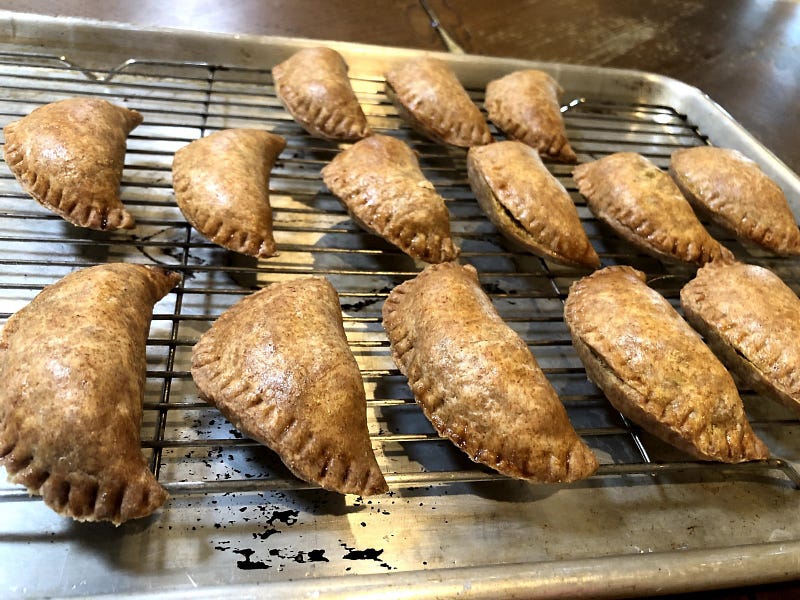
We Peace Corps trainees struggled but politely ate the food. We gradually learned to eat spicy Malaysian food. In fact, during our 3 months of language and culture training while we all lived together and ate together, we gradually learned to love spicy food.
I ended up marrying someone that I met my very first weekend in Malaysia. Happily, he comes from a family of great cooks and he loves to cook too. We are now both retired and he has the time and the desire to cook, so I’m living in the States 49 years after going to Malaysia as a Peace Corps Volunteer, but I’m still eating curries almost every day. Yum. It is Friday night but he is already making a lentil curry for lunch on Sunday. It is better if it marinates for a day, so this will make it extra delicious. We’ve also learned to make curry puffs. I do the pastry and he makes the curry filling. They are delicious.
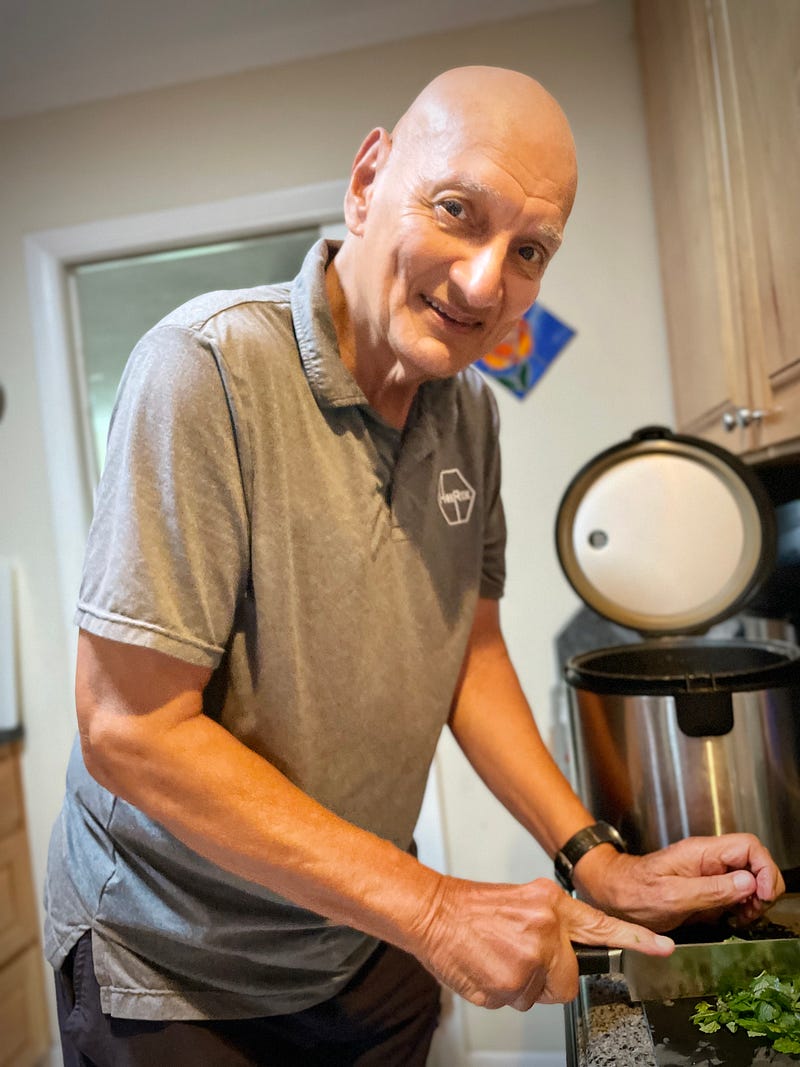
My husband, Gerad, is on Medium also. Here is a link to a list of some of his recipes. Try to make some and enjoy every spicy bite.