
Learning to Love Manual Labor
In what country does a teacher have to work at an Amazon warehouse over the summer?
In the summer between high school and college, I worked a job stocking cans and goods at Walmart. It was good work and I loved my co-workers, and the days would usually go by pretty quickly. I was pretty good at my job — I showed up for work every day, volunteered to do whatever my boss told me to do, and got the most stocked within our nine hour shifts and helped my co-workers do the same.
Of course, I went off to college. I couldn’t have continued working at Walmart to make a living, but I remember that I was disappointed leaving the job. I really liked working at Walmart, despite its lackluster pay and benefits.
In college, I would work a job as the building supervisor at the gym and run all sorts of errands for my boss, which included stacking and folding towels, doing laundry, and moving extremely heavy water coolers around.
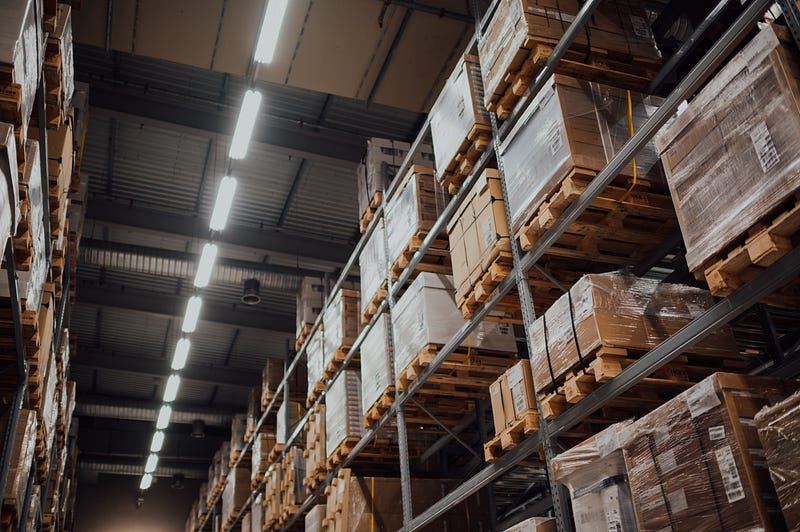
This week, it dawned upon me that I didn’t have a job over the summer. More than just not getting paid, since there’s some weird pay situation with new teachers where we’re only paid for 10 months and not the months of the summer, I applied for jobs, and today I got a job at Amazon as a warehouse worker, which I will start in two weeks and which pays $15 per hour.
It’s not about the money, which admittedly isn’t going to break the wallet, but rather just having the work and something to do over the summer to hold me over, pay rent and put food on the table. I wish I could get paid the whole year as a teacher instead of having none of it come in the summer — which means I’m still being paid the same, but just psychologically means I’m motivated to work over the summer.
I’m a special ed teacher, which, in most moments, is a pretty white-collar job — so it’s not like I’m on my feet and doing tedious physical tasks all the time. So, I’m glad that I get to work at an Amazon warehouse and not have to teach at all for a bit — which is its own sort of break for me.
Honestly, I’m a lot more excited about my summer job working at an Amazon warehouse and not teaching than most people would be. Most of my friends also work pretty white-collar jobs, so it’s nice to just be doing something I haven’t done since I graduated college that I get paid for and that passes the time faster.
Unloading trucks and stocking shelves at Walmart did give me some pretty good exercise too, and I won’t overcomplicate my manual labor jobs more than they actually were, and sure, I won’t have as much time to spend at home watching TV, writing, and playing video games, but the reality is that I am more unhappy not working than I am when I am working.
Richard E. Ocejo has shown in his research that there is a rising popularity in traditionally blue-collar, manual labor jobs among young, well-educated men. Ocejo associates jobs like being a butcher, distiller, barber, and bartender as associated with a particular breed of masculinity. I hope Ocejo would include being a Walmart stocker or an Amazon warehouse worker in that category, but I never really associated working at a gym, Walmart, or Amazon with any sense of masculinity.
Perhaps my most traditionally toxic “masculine” job was with a storage company that hired me to unload boxes and furniture for college students into a warehouse. It was tiring and very demanding, and I usually had bosses who just talked on the phone and sat there, being critical of his workers, while myself and my friends would work our asses off in the heat, but it was all in good jest.
In what country does a teacher have to work at an Amazon warehouse over the summer? I don’t think it’s fair, but, well, people have written whole op-eds and essays on that unfairness. But I don’t believe my plight is any worse than Amazon warehouse workers who suffer unsafe and grueling conditions working full-time, but I do need the money.
I’m just working at a warehouse for a little worse than two months, much like I did at Walmart. I knew some people that worked at Walmart for 13 years, which is a completely different and more grueling type of battle. I’m fully aware of how good I had it and how optimistic and positively I could look at my experience because I didn’t have to work at Walmart for 20 years with inadequate pay. I have had to work with my fair share of cruel and unsympathetic supervisors, but I worked for them for months, not 20 years, which always helped me see the light at the end of the tunnel on hard days.
I would have loved to teach summer school and have some other teaching position over the summer to hone my craft at online learning during the Coronavirus, but unfortunately, first-year teachers transitioning into their second years of teaching are not often prioritized in summer school hiring positions. Other teaching positions have expressed the same priorities — but hey, you have to be a first-year teacher before you can be a tenth-year teacher.
I had a very hard and difficult school year that emotionally and mentally exhausted me every single day as a special educator. Working in a middle school and teaching special needs kids in a high-risk, inner-city school has made me realize how much easier life is when I don’t have to go into physical work every single day. I kind of miss not having kids disrupt the classroom and curse me out on a daily basis, but I digress.
I love my job —the pros outweigh the cons, but it’s just really difficult and something I need breaks and boundaries from, especially with my level of experience
Last year, I worked on the side as an Uber and Lyft driver to pay the rent and put food on the plate. Obviously, a pandemic happened and I’d rather not expose myself to the continuous COVID risk as a driver, so working as an Amazon warehouse worker is the break I need this summer.
The Mini Post-Grad Survival Guide
A 5-day email course with amazing tips on budgeting, investing, and productivity for 20-somethings. Sign up for free.