
Writing — Travel & Photography
Learning About Indigenous Tribes in Trinidad & Tobago
A visit to Cleaver Woods Park near Arima
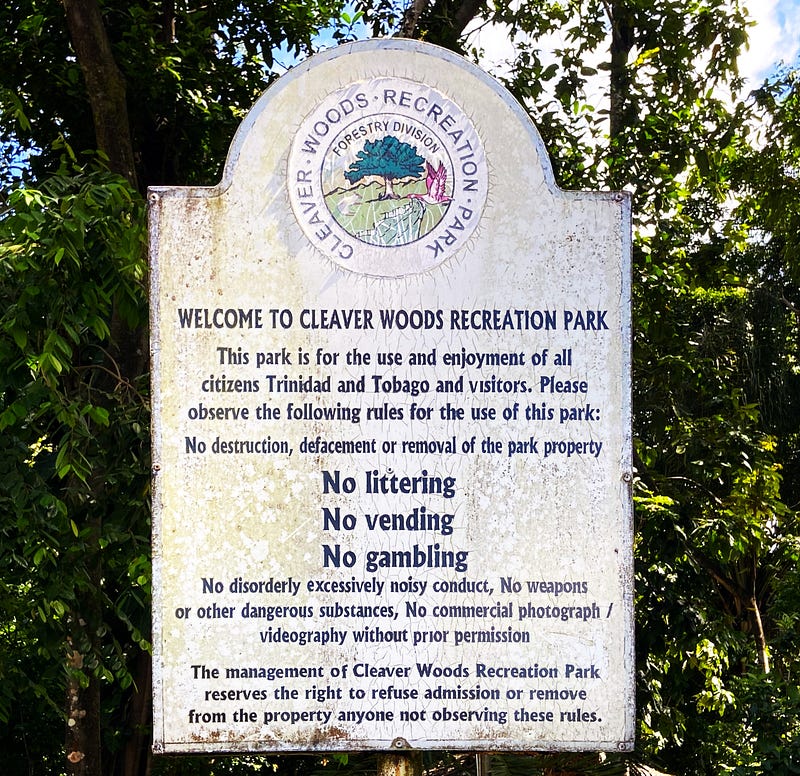
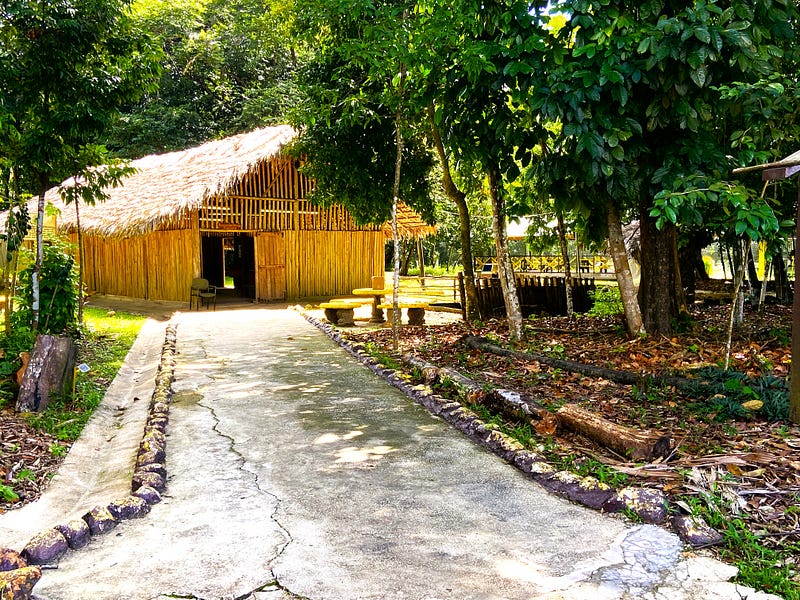
The heavy rains and flooding of the past few months here in Trinidad and Tobago has finally been tapering off. We’ve tentatively been crawling out of the home cave to embark on a few local trips.
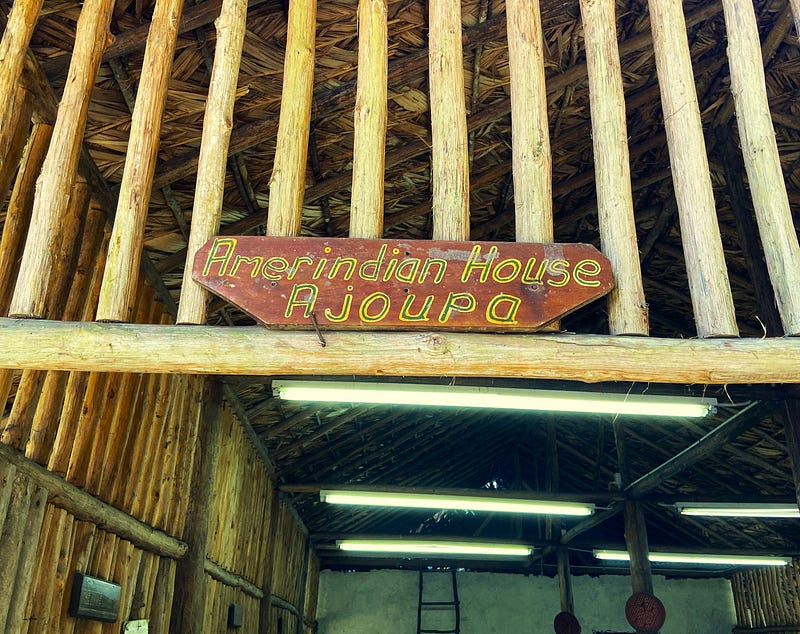
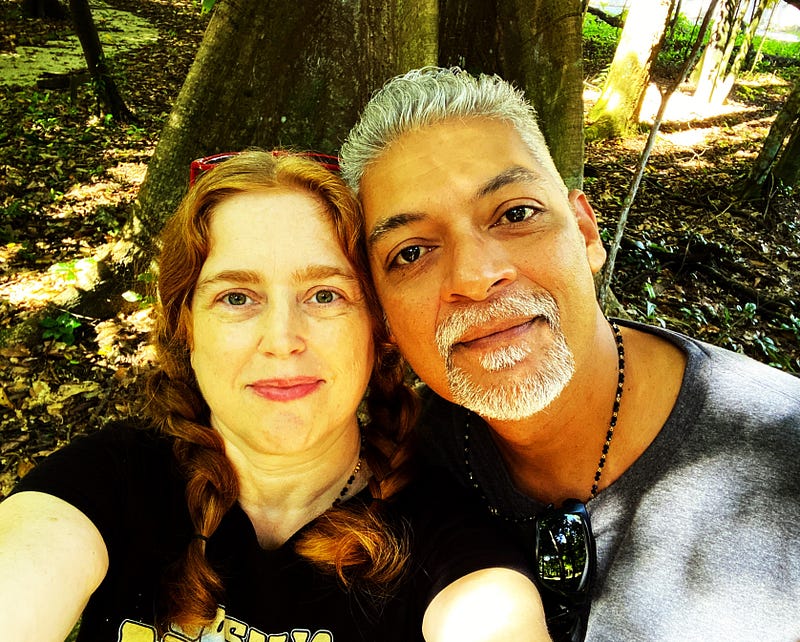
Last week we decided to explore Cleaver Woods Recreational Park located between Arima and D’Abadie in North-Central Trinidad. As my husband Andy and I discovered, Cleaver Woods isn’t just any kind of park but rather a dedication to the indigenous tribes that once lived here on the island.
“The Amerindian shelter at Cleaver Woods seeks to take you back into the history of the indigenous people and their way of life — where they lived, what they ate, what they hunted and much, much more.” — from their brochure.
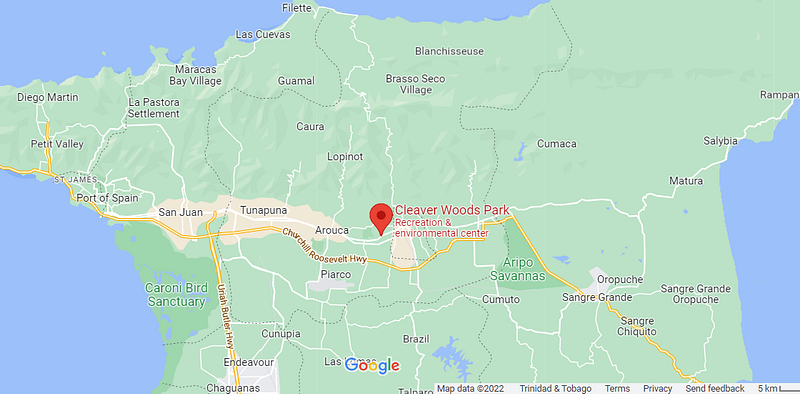
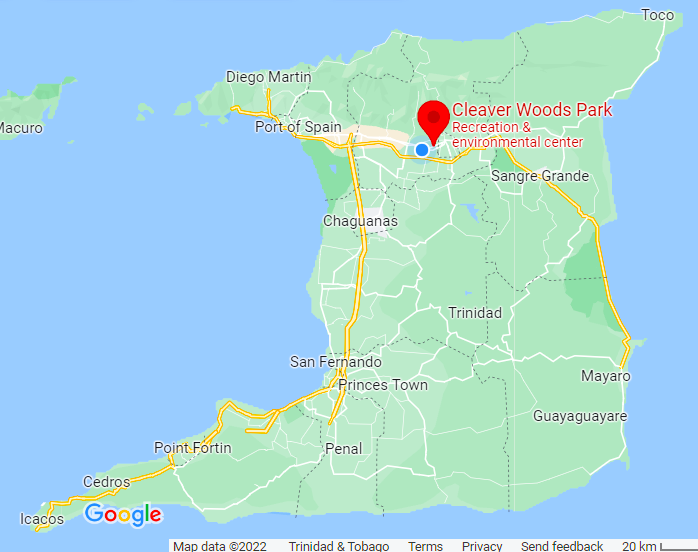
The park is located just 17 miles east of Port of Spain and only 5 miles from Piarco International Airport.
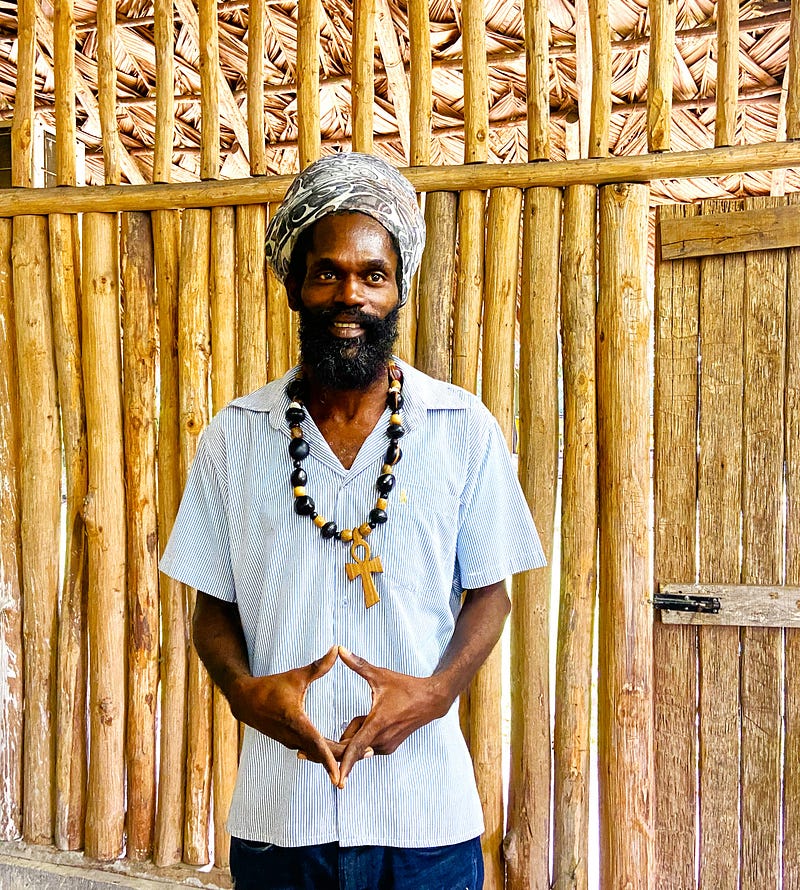
Indeed, the weather was quite pleasant on the morning of our visit. Upon our arrival, we were greeted by a friendly guide who gave us a small tour before we wandered around a bit on our own.
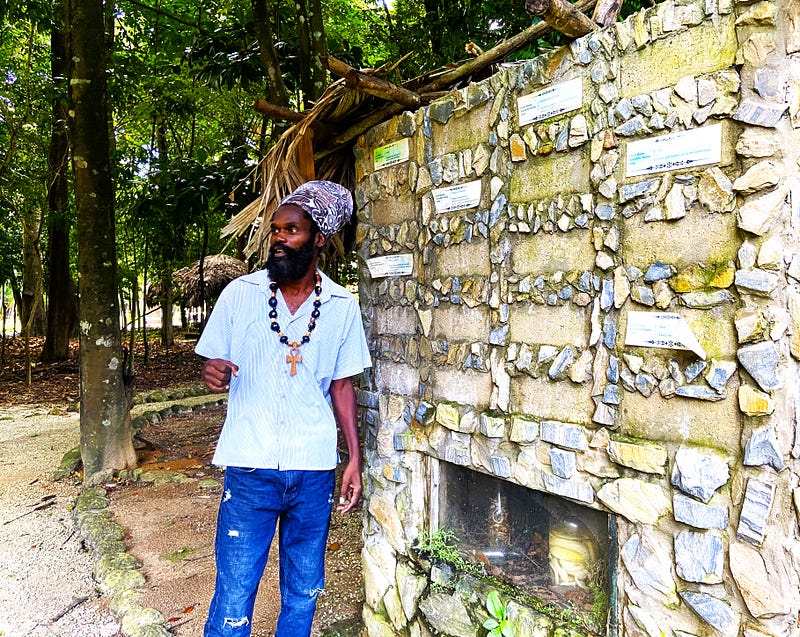
Sadly, the story of the Amerindians living in Trinidad mirrors that of the many Native American tribes living in the United States as well as people throughout the Americas. Both succumbed to the harsh realities of colonization — war, slavery, foreign disease, etc.
Prior to this time though, they were people who lived off the land and utilized the forest areas of Trinidad extensively for things they needed to build their houses and live their lives — things like canoes, teapots, artwork and the impressive mortar and pestle pictured below.
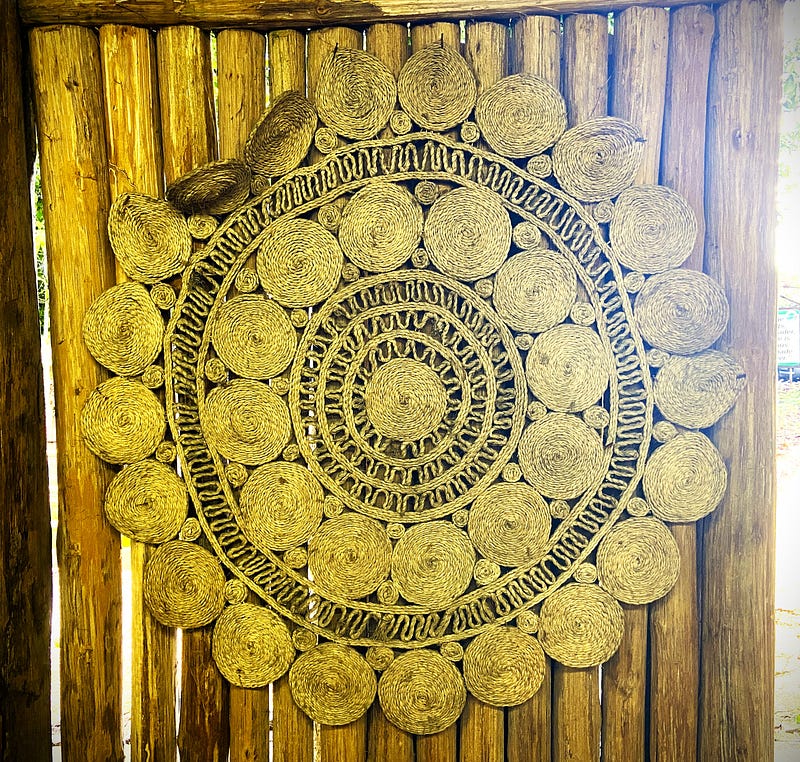
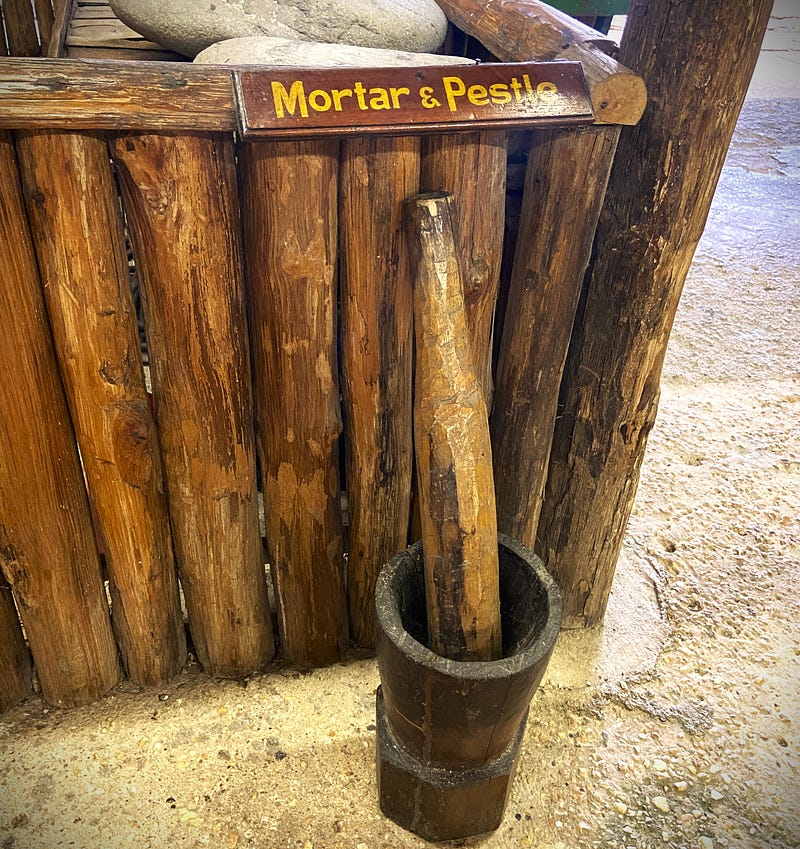
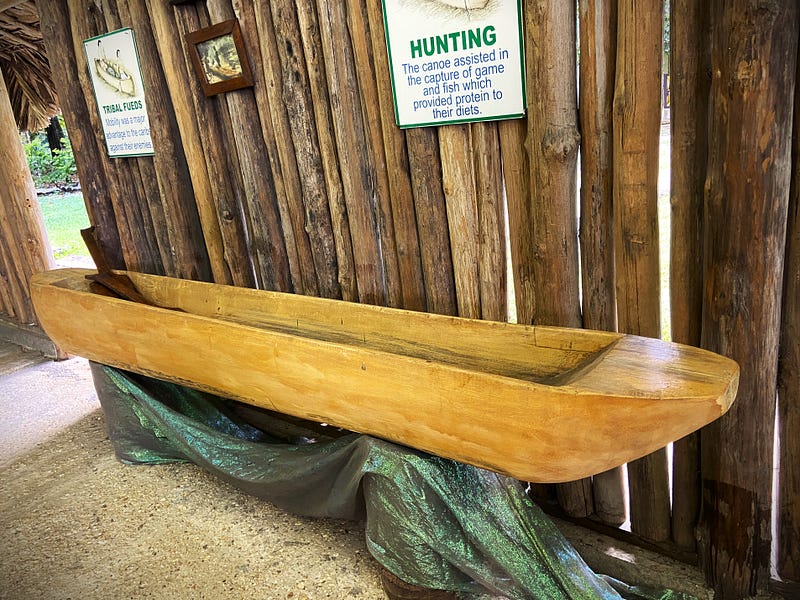
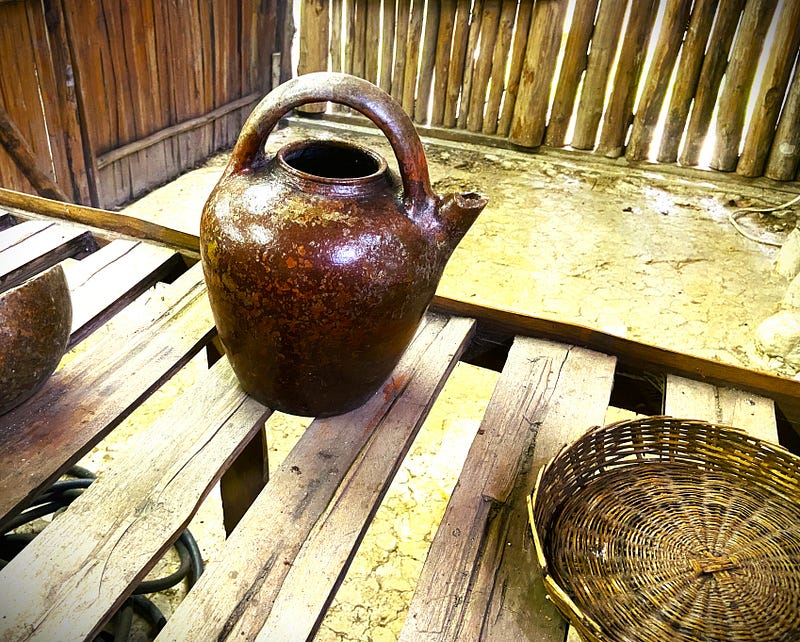
Amongst many other things our guide explained how people fashioned their buildings to make them strong and endure the island weather and also how they used herbs to devise medicines.
Of course, not everything was always so rosy. There were wars between tribes and reportedly slavery as well. To this day, there is still talk of cannibalism going on, which I read about in a few articles. Whether this actually happened or if these are fabrications put forth by the colonizers is a bit fuzzy.
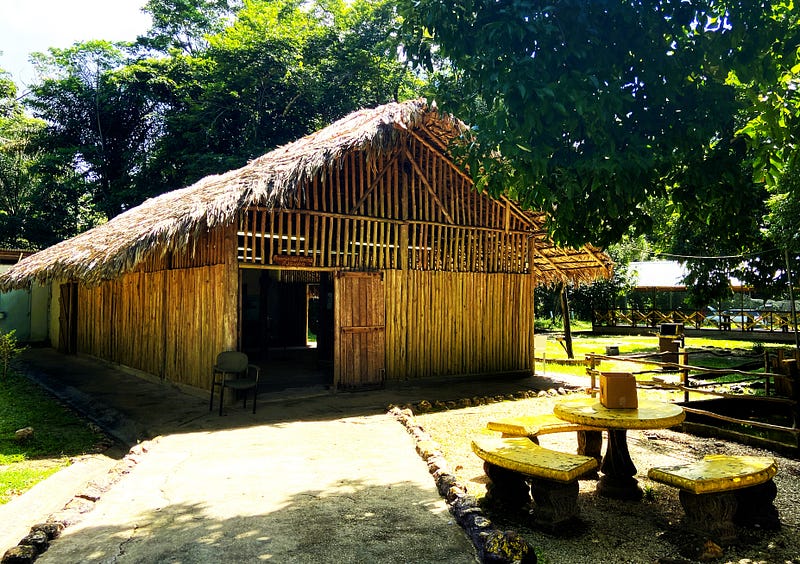
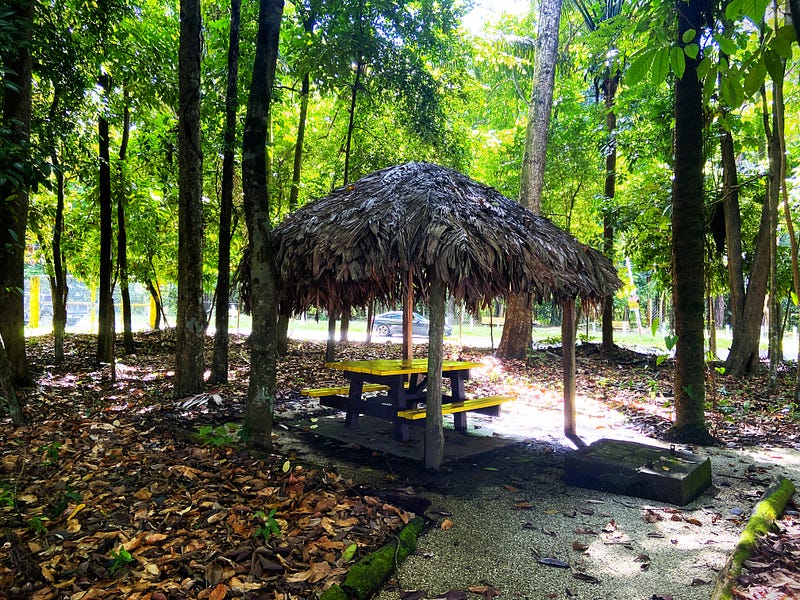
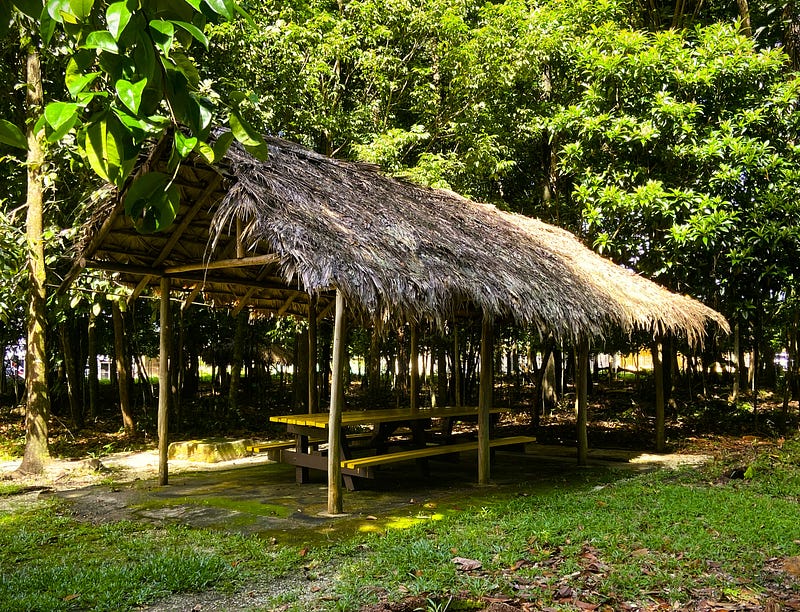
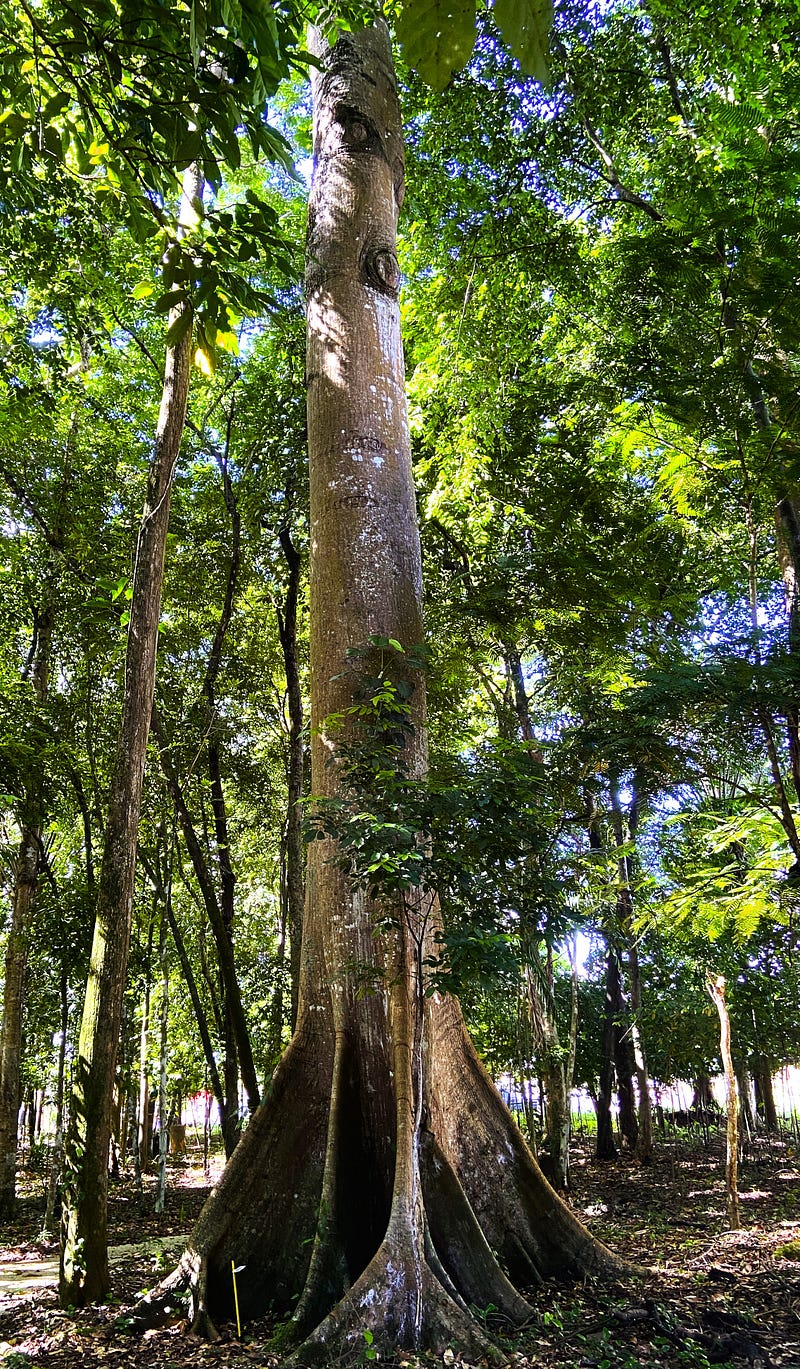
After touring the park, I was talking to a few friends who gave me a couple of rather disheartening scoops of information.
The first is that many parks like this one have fallen into various states of disrepair and neglect, especially after COVID hit.
The second is that such places seem to lack central advocacy within the government and there is fear that eventually such places will be closed altogether for “lack of interest”, which would of course save a bundle in upkeep.
Keep in mind it’s not me saying this. I’m merely a guest in this beautiful country, but I would still hate for this to happen. Such places need preservation, don’t you think?
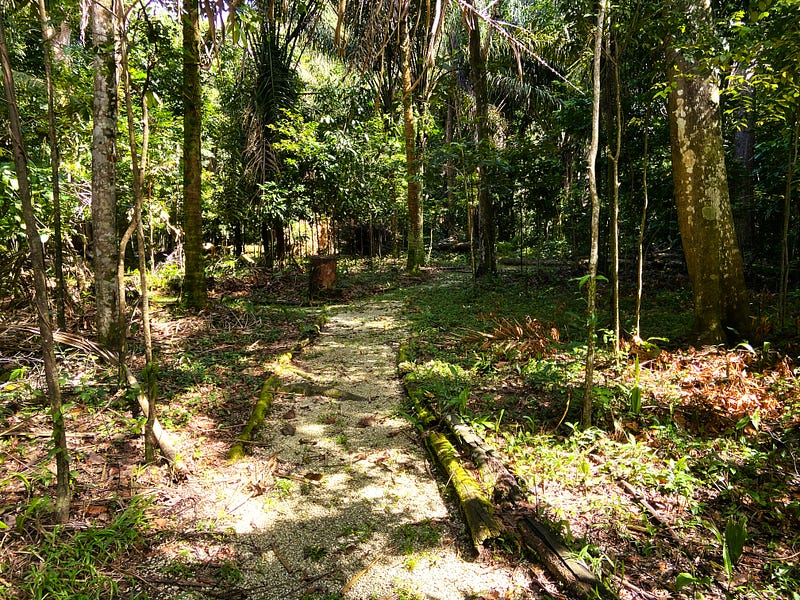
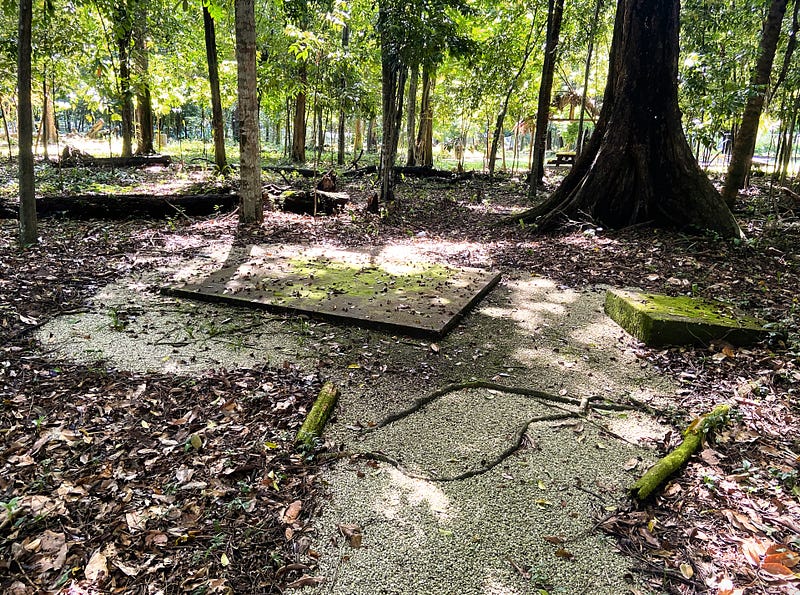
Here are a few photos demonstrating this need:
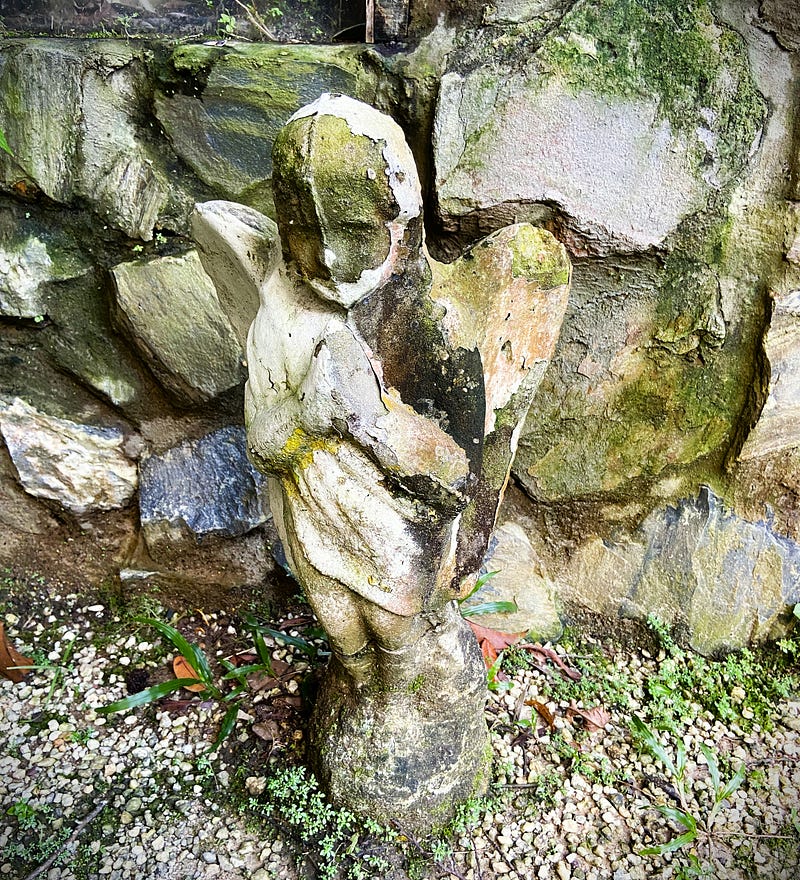
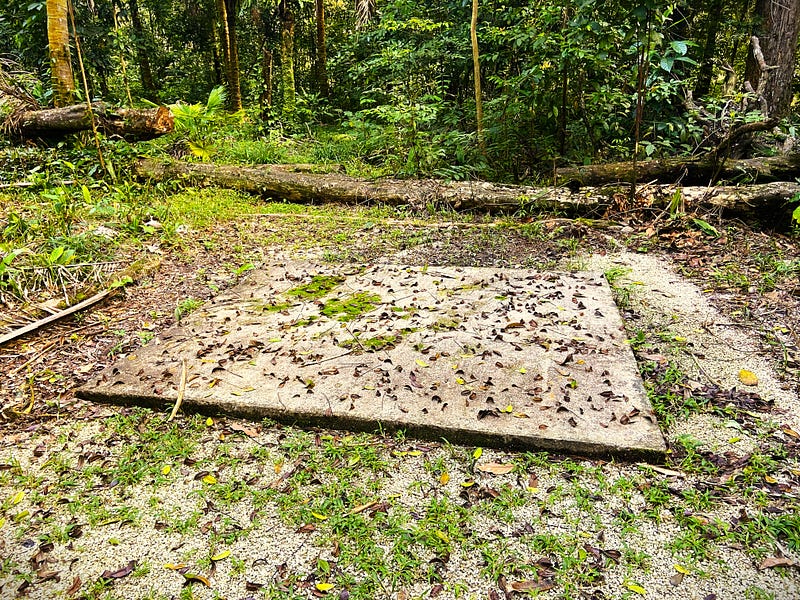
A few interesting facts:
- Native tribes lived in the Caribbean Islands for roughly 6,000 years before Christopher Columbus sailed the seas and changed the game.
- Native tribes consisted of many separate groups of people. Commonly they were called Caribs and Arawaks, although according to this article “Race and History.com | TAINO” there is speculation about the exact names people used.
- However, according to this page by Trinbagopan.com, “Amerindian tribes were referred to by various names: Yaio, Nepuyo, Chaima, Warao, Kalipuna, Carinepogoto, Garini, Aruaca.”
- Eventually, the few survivors of the colonization period were pressed together into an area of present day Arima. Today this group is comprised of around 12,000 people.
“The Santa Rosa Carib Community is the last remaining organized group of people identifying with an Amerindian identity and way of life.” Trinbagopan.com — The Amerindians of Trinidad & Tobago
Here is a short video of our visit:
Subscribe. Not a Medium member? Join an awesome community of readers and writers! Join with my referral link — JoAnn Ryan.


