
Learn to Move Smart: The Secret Behind Success
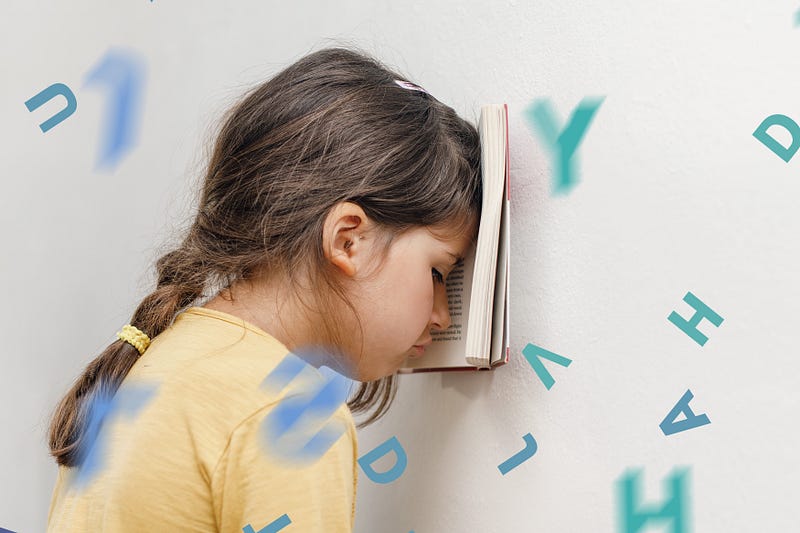
Walking through schools and looking in the classrooms, you see children sitting still for hours. This is very strange, mainly because people naturally learn best when they move. Movement does not only activate the muscles but also the brain — the best state to learn something. Kinesthetic learning is an excellent way to give a child the best chance of development because learning and movement are connected. But how do you do that?
Active (movement-based) learning or integrating physical activity into educational processes is an approach that is becoming increasingly popular in both the classroom and child coaching practice. It provides a dynamic and engaging way for children to learn new skills. Of course, you can exercise occasionally, but a good plan will take you further. That’s why having a well-thought-out plan for active learning is so valuable.
The Importance of an Active Learning Plan: Optimal Outcomes for Children.
Goals and Learning Objectives
A good plan is essential for active learning because it helps to set targeted objectives and learning goals. Every educational program starts with defining what you want to achieve. By having a plan, you can set specific learning goals that match the needs and ages of the children. This ensures clear focus and direction during the lesson or coaching session and allows you to make adjustments.
Structure and Organization
A well-thought-out plan provides structure and organization. This is especially important in a classroom or coaching environment with limited time and resources. You can organize the activities to fit seamlessly into the learning process. This reduces chaos and maximizes learning time.
Differentiation and Individualization
Children have different learning styles and needs. A learning plan allows you to incorporate differentiation and individualization into your approach. You can design activities tailored to each child’s needs and skill levels. This makes it possible to support every child in their learning process. It allows you to adjust the exercises, if necessary, immediately.
Progression and Evaluation
A good plan also includes mechanisms for tracking progress and evaluating learning. This allows you to measure whether you have achieved the intended goals and whether adjustments are necessary. It enables you to learn what works and doesn’t and use this to improve and refine your approach.
Motivation and Engagement
Active learning is often fun and stimulating for children, but it is essential to maintain that motivation and involvement. A plan can ensure that the activities remain varied and exciting. By building variety and challenge, you can support children’s interests and keep them motivated to learn.
Safety and Responsibility
Safety is prioritized in the classroom and the children’s coaching practice. A plan provides an opportunity to ensure the safety of children by identifying risks and taking appropriate precautions. It also ensures that responsibilities are clearly defined as essential in an educational environment.
Collaboration and Communication
A good plan can also improve collaboration and communication between teachers, coaches, parents and other stakeholders. It provides a common framework to share expectations and exchange experiences, which can enhance the overall educational experience for the child.
A well-thought-out plan for active learning is crucial for achieving optimal results when working with children.
A good plan provides structure, direction, and differentiation, ensuring a safe and exciting learning environment. With a plan, you can help children reach their full potential and build a strong foundation for their future success.