
Learn from Mistakes: The 5 Regrets Every Programmer Should Avoid

Programming is a dynamic and rewarding field, but it’s not without its challenges and moments of reflection. As a programmer, you’ll likely encounter many triumphs and tribulations throughout your career. In this blog post, we will explore the five common regrets of programmers and the valuable lessons we can learn from them.
Not Embracing Continuous Learning
Regret: One of the most common regrets among programmers is not keeping up with the ever-evolving technology landscape. Many programmers lament not dedicating enough time to learning new languages, frameworks, and best practices.
Lesson: Embrace continuous learning as a fundamental part of your career. Make it a habit to stay updated with the latest trends and technologies. Join online communities, attend workshops, and read tech blogs regularly. Not only will this keep your skills sharp, but it will also open doors to exciting new opportunities.

Neglecting Documentation
Regret: Failing to document your code properly is a mistake that many programmers regret. In the rush to meet deadlines, it’s easy to skimp on documentation, which can lead to confusion and frustration down the road.
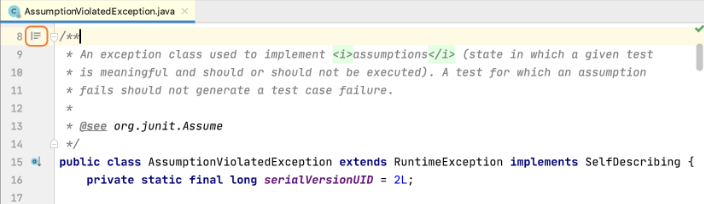
Lesson: Good documentation is as important as writing clean and efficient code. Take the time to comment your code, create user guides, and keep a record of your decisions. It will not only help you or your colleagues understand the code but also make debugging and maintenance much more manageable.
Not Collaborating Effectively
Regret: Some programmers regret not collaborating effectively with their team members. Isolating yourself from the collaborative process can lead to misunderstandings, missed opportunities, and, ultimately, unsatisfactory results.
Lesson: Collaboration is at the heart of successful software development. Foster open communication with your team, participate in code reviews, and seek feedback. Embrace pair programming or group brainstorming sessions. By working together, you’ll create a more robust and innovative product.

Overlooking Code Quality
Regret: Rushing through projects without paying enough attention to code quality is a common regret among programmers. This can lead to technical debt, increased maintenance costs, and overall dissatisfaction with the work produced.
Lesson: Quality should always take precedence over speed. Prioritize writing clean, maintainable, and efficient code. Use automated testing tools, follow best practices, and refactor when necessary. High-quality code not only benefits the project but also your long-term career.
Ignoring Work-Life Balance

Regret: Some programmers regret sacrificing their personal lives for the sake of work. Long hours and constant stress can lead to burnout and negatively impact physical and mental health.
Lesson: Maintaining a healthy work-life balance is essential. Set boundaries, take regular breaks, and make time for hobbies, family, and friends. A balanced life not only improves your overall well-being but also enhances your creativity and problem-solving abilities.
Regrets are an integral part of any career, but they can also be valuable learning experiences. As programmers, acknowledging these common regrets and the lessons they offer can help us become better at what we do. By embracing continuous learning, emphasizing documentation, fostering collaboration, prioritizing code quality, and maintaining a healthy work-life balance, we can build fulfilling and successful careers in the ever-evolving world of programming.


