
Layer Your Clothes: How Canadians Keep From Freezing Their Junk Off on Winter Adventures
Being cold sucks, learn to stay warm
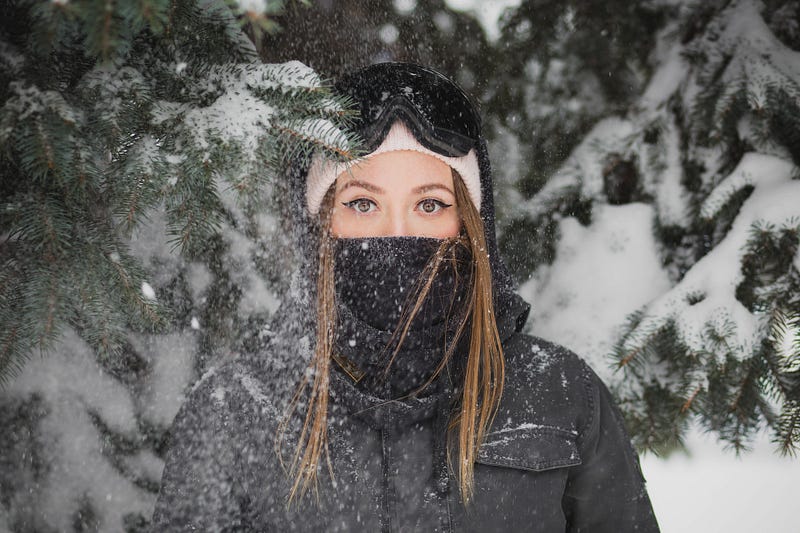
The common perception is that Canadians are a little tougher in the cold. While that might be true for some of us, we also learn how to dress for the weather. Otherwise, we get trapped indoors for up to 7 months while the weather outside is frightful.
This October morning it was -25 Celsius (-13 F)at my house. That’s 25 C below freezing. You take your life in your hands if you wander off without the right gear on your body.
I’m no stranger to the cold. I grew up on a farm, and did my time doing chores all winter. Since it was pre internet and we only had 2 TV channels, I spent a lot of time outside playing all year round. Later, I spent my teenage years at bush parties, hockey games and curling rinks.
I grew up and got into construction. I worked outside no matter the conditions. If it got below -45 we might take a little time off, but otherwise we toughed it out.
I made it through all of these bitterly cold experiences with layering, although we didn’t call it that. We called it wearing enough clothes.
Start with a base layer
I only knew them as long johns, and we all wore them. They used to be made out of itchy wool or cheap cotton. Now there are all kinds of synthetics and synthetic/ wool blends to choose from.
Your base layer is like a second skin that can wick moisture away from you while keeping you warm. It needs to be lightweight and have the ability to breath. Picking the right base layer will keep you warm and dry.
I jog outside in cold temperatures, because I’m a sucker for punishment. I have different thickness of long johns in the drawer for different weather. I only pull out the big guns for really cold days, because I don’t want to start sweating before I even leave the house.
Start with a good set of base layer leggings and shirt. You won’t be sorry.
Socks are key parts of your base layer
This gets overlooked by many. Layer your socks too or your feet will pay the price. A liner sock is a great way to add comfort to your day.
Over your liner sock, wear a thicker, warm mid-layer sock. The liner will move any sweat away from your foot, while the mid layer will keep in the warmth. If it’s really cold out, you can use another layer on top of that, but you will need bigger boots to fit all of that in.
Don’t skimp on your socks. It’s worth getting some good ones. If you are on a longer adventure, make sure you bring spare pairs in case they get wet and you need a warm, dry resupply.
The right middle layer
This might be one, two or three layers combined. The key is breathability and how much air gets trapped next to your body. I add another layer if it gets really cold.
Wool or fleece makes a good middle pant layer. I usually go with some workout pants myself. For really extreme outdoor temperatures, down filled or felt pants are going to be the warmest.
For the upper body, I like to wear a hooded sweater with a zipper overtop my base layer. That way if I start getting too warm I can open the zipper and I don’t need to take too much off. On really cold days, I add another long-sleeved shirt (maybe a turtleneck) under my zippered sweater.
Get an outer layer that stops the bite
Wind is not your friend. The outer layer of clothing has to be able to fend it off, or you will freeze. That’s why wind chill warnings are such a big deal.
On a day like today, with -25 C temperatures and no wind, I can go outside and it isn’t too bad. Add a 10 MPH wind and that is effectively -36 C, which means skin will freeze in less than 8 minutes. Also, if you aren’t wearing the right clothes, all of the warmth will be stripped away from you real quick.
If you wear the right pants and jacket on top of your other two layers, though, your clothing system will keep you comfortable. warm air will be trapped against your body and the wind won’t be able to rip it away.
Look for pants and jackets made from breathable material like GoreTex. It’s lightweight and not too bulky. I have an old North Face jacket that I love, because it fits this bill. It never seems to wear out, either. It’s slightly insulated, has a great hood and zippered pockets.
I use single layered ski pants made from the same material. There are a lot of options for pants at any sports retailer, ski shop or on Amazon.
How about a toque?
A toque is called a beanie or stocking cap in other parts of the world. It’s a small round hat that fits tight on your head and keeps in the heat. You need a toque if you live in Canada. It isn’t really optional for most of us.
I own several of these in different thicknesses and materials. It’s good to have options. I also make sure I have a neck warmer or gaiter that I can pull up around my face if I need to block wind from freezing my nose. For extreme cold, a balaclava is the best.
Combined with a hooded jacket, a toque and neck warmer will keep your head nice and toasty. Unless you are facing into the wind, that is.
Gloves or mitts?
Personally I can’t stand mitts. They’re bulky and you can’t do a thing with them on. But when it’s really, really cold you might have no choice.
Liner gloves are a great way to get the best of both worlds. You can pull off the outer glove or mitt and use your liner covered hand to touch those freezing cold things, then put that outer glove back on.
For days that are only a little chilly, fingerless gloves let you use your cell phone. Otherwise, the glove material will block your screen from recognizing your finger. There are gloves that have special material on the fingertips to get around this problem, but I haven’t tried these and never will.
There’s really no perfect solution for hands. They are going to get cold sometimes.
Winter boots
Boots are another must have item. Get them large enough to fit all of the socks you will be wearing and not be tight. If the boot is too snugly clamped around your foot then there’s no trapped air and you will be clomping around on some cold, cold puppies.
When you go boot shopping, wear whatever socks you think you will be using. That way you’ll get a better fit. Too loose is also a bad idea, of course. Finding yourself some perfectly fitting, warm Goldilocks boots might be hard but it’s worth the effort.
You’re all set — now manage those layers
If you start getting too warm with all of that clothing on, you will sweat. Guess what happens next? The sweat chills your body. Don’t wait to deal with this problem.
Hypothermia is a real danger. Once you start losing heat faster than you can make it, you’re in real trouble. It can lead to being found like a popsicle in a snowbank after you freeze to death. It’s no joke.
So how do you stop that from happening? Notice if you start getting too warm, and remove a layer. Open a zipper or take off your toque for a couple minutes, then close it back up and cover your head.
The trick is to make sure you don’t start getting chilled again. It’s all about balance, baby! Pay attention to your body. Keep it in that sweet spot. As long as you stay dry and windproof, you can spend a lot of time safely outdoors.
Watch out for frostbite
Keep your skin covered, especially if it’s windy. Don’t wait too long to thaw out. If you start losing feeling in fingers or toes, do something about it! Hands in armpits, get inside, whatever you need to do to keep ice crystals from forming inside of you.
Keep some air activated handwarmer packs in your pocket for emergencies. These packets give off heat starting as soon as you unwrap them and can fit into your gloves or boots. You can use them to help warm up your face. too. They can literally be a life saver.
I’m going to use all of these layering tricks to keep me from freezing up on my runs this winter. The only difference is I won’t be wearing winter boots. I prefer to use my trail runners.


