
Lawns Are a Silly Waste of Time and Space
Yet we put so much pride and care into them. Why?
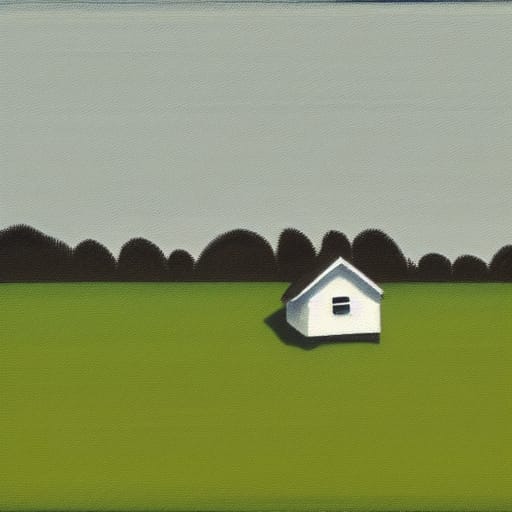
We often associate the rise of lawns with post-war suburban America.
However, apparently, the concept of a lawn dates back to the 17th century in England — having a manicured property was a sign of wealth, as it required staff to maintain.
Today, lawns aren’t just for the wealthy but continue to be the accepted symbol of a prosperous household. Ohhhh, look at his lawn! I’ll bet he uses expensive lawn fertilizer.
Nice lawns are now a symbol of decadence for people of modest means.
But what are lawns really good for? We’ve accepted them as a must-have aesthetic for our properties, and it’s true that a well-cared-for lawn can look nice. But from a practical standpoint, they really don’t serve much of a purpose.
It’s not like the average person has livestock grazing on them, or using them as a putting practice green.
But yet most homeowners place so much importance on their beloved lawns. They maintain it using loud grass mowers, edge trimmers, and leaf blowers. They buy into pricey lawn maintenance programs to ensure the lushest and greenest lawns to show off to their neighbours.
They put signs warning dog walkers not to pee or poop on their precious lawns. I can see why a person doesn’t want doggy doo all over their lawn, for fear of stepping on it for one. So dog poop ends up in bags that end up in toxic landfills, all for the sake of appearances. Dog poop can actually be composted.
Meanwhile, the average family in the U.S. uses roughly 50 gallons of water a day on lawns and gardens, based on numbers from the Environmental Protection Agency.
“Nationwide, landscape irrigation is estimated to account for nearly one-third of all residential water use, totaling nearly 9 billion gallons per day,” notes the organization. This is concerning as water becomes a more scarce and precious resource, especially in warmer climates.
We saw our land potential during COVID
In the earlier stages of the pandemic, there was a shift to people transforming their lawns into vegetable gardens. People were growing tomatoes, peppers, cucumbers, herbs, and the like.
I suppose this is because no one was sure if we were going to need to rely on our own food sources as supply chains broke, and grocery prices spiked. Apparently, gardening also became a way to deal with the stress of uncertain times.
It makes more sense to use your land to grow food than to grow grass that no one eats. It also makes more sense to add pollinator plants that attract hungry bees, which in turn produce more honey that everyone loves to eat. If you like beautiful butterflies fluttering about your backyard, pollinators can help with this too.
However, I’ve noticed that many people have reverted back to caring for their large, open lawns that serve no real purpose. It’s a shame, as the switch to becoming more self-sustaining was a positive one. Apparently, we’re content to buy imported vegetables and fruits in the name of freeing up lawn space.
Admittedly, when I first became a homeowner, one of my goals was to restore the mud bowl that’s our backyard into a nice, even grass surface for our young son to run on barefoot. I didn’t have much success, so I tried adding clover into the mix. We get about three weeks each summer when our backyard lawn looks okay, but it’s not worth buying more grass/clover seed.
Instead, we focused more on growing peppers, tomatoes, and chives. We added potted plants, as the soil on my property is obviously not optimal for growing plants. In the front garden, we added richer soil and chose plants that look nice, but also ones insects like. Our lawn? It’s pretty barren, but it doesn’t stop our son (and now our dog) from prancing around on it happily.
It’s time to rethink the importance of the lawn
We need to take a collective look at lawns, and their place in our future. They do not provide many benefits outside of looks (and adding value to a home), as well as absorbing some carbon dioxide. But all plants do that, not just grass.
To be honest, even a nice lawn is kind of boring. A pollinator garden, on the other hand, looks great and also benefits nature. Growing vegetables on your land ensure a self-supply, saving you money in the long term. If your neighbours also plant veggies, you can trade items with them throughout the growing season.
The lawn is a relic — an outdated symbol of prosperity and pride. We should be more proud to cultivate our own food and become less reliant on shipped produce. Besides, it’s nice to be able to clip some mint or chives from the garden or pick grape tomatoes for our meals. You also can’t get fresher produce than that you’ve carried in from your own property.
I don’t suspect most people will give up their lawns anytime soon, unless there’s another global disruption in the food supply chain. But take a moment to think about it — is a greener lawn worth all that time and effort?
I say no.
What are your thoughts on this topic?


