
Lasto
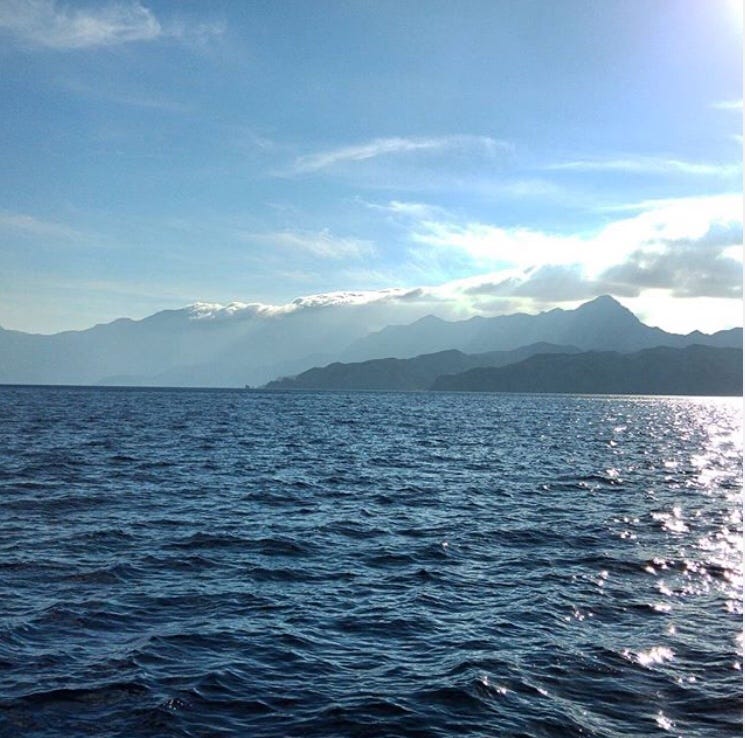
Lasto*, is the highest peak on our island and the highest peak in the Dodecanese.
Lasto, adorns Karpathos, a jewel in the Aegean. A no-man’s land, immortalized in the Iliad by Homer but long forgotten by the artistry of the cartographers stencil.
We are a rock in the Aegean. Our rock — the rock — home. Encapsulated in the tear pleated folds of time, we carry the seas that caress our shores afloat — for what would the seas be, had they not had us to to fill them with the praise of our tears? The seas rock our cradle as they mourn with us — of a time dying a slow death, a death that the heroes of the past would have crowned with the laurel leaves of glory.
From the eastern side of the peak, on a clear day you can see the island of Rhodes a mirage on the surface of the azure mirrored seas, who rob the skies of colour.
From the west you can see the mighty island of Crete, riding the sea-waves majestically as Poseidon’s Hippokampoi, tossing the waves aside, stampeding they ride the seas in search of Alexander’s sister Saloniki, the mermaid who cries, asking the passing ships, “does my brother Alexander live”? Sailors dare not tell her he belongs to history now, or they will meet there doom.
“He lives” they tell her, and she allows them safe passage.
The Hippokampoi tether their pace, tragedy forestalled — for now.
Lasto, though means much, much more to me.
It is here I trek through ancient goat paths…
Paths that my father and mother took to with Hremi (baby carrier) on their backs, filled with child, cradling, as it swayed with the rhythm of their steps, protecting the child held in the embrace of Morpheus.
My parents, grandparents and great grandparents, my people, came here to Lasto seeking protection from Saracen and Ottoman raids, also the Venitians.
The Nazis and their lackeys Mussolini’s worms took their turn too (en tu Brutus), roaches don’t exist on our island but they swarmed here. They tried as many before them had… they left their print with the carnage of the innocent, the tears of mothers but my people drove them out in our traditional way, our hospitality their death knell.
My people danced on the Angry hills of Lasto, for freedoms might to right — confounding the Nazis, they didn’t understand that to dance meant they prepared to die.
Many children spent months on the peak of Lasto and like a fortress the peak housed them, watched over by our village priest and teacher, until it was safe to return home.
I can imagine the fear these parents suffered, not willing to lose their children, they climbed this peak children in tow by the light of the moon and stars guiding their kin to safety.
Their terror and fear still resides here on the apex, mingling with the phantom laughter of the children who played innocently in the rugged crevices of the cliffs, as pearls in the hills they adorned the neck of the peak.
Respectfully I place my fingers out, I caress the winds — electrifying volts are the echoes of fear, palpable, rooting me as Daphne was rooted, cursed by the god’s.
It is also on this peak that the islanders released their herds during the summer months, each family having their own documented brand.
All the villagers from miles around came here to this spot, the mountain side becoming one grand communal mandra (stead), the peak blanketed by their animals, their wealth.
The tinkling of their tsambalia (bells), a melody with a chorus, the crescendo being the sound of the great bells heard sporadically within the herd worn by the horned rams, the size of their bells, heralding their hierarchy within the herd, could be heard for miles around.
The release of the herds was reason to visit with friends from other villages, misty eyed they greeted one another, after months of wintery isolation.
Things have changed, many have left our island. Some filled with wanderlust, as Odysseus lured by the sirens call, others for jobs in foreign lands.
I gaze out upon the seas, I see black sailed ships that took them far from home and mothers waving white verbena starched kerchiefs in farewell. The aroma a phylactère unfurling their sails on the breeze.
Return, it’s still a humble world here, we await your return home. May the winds steer you home where your ancestors fought to keep you safe. Imbedded in the volcanic earth that gave birth to the great mysteries, where great hero’s fought and died nobly with honour — for you.
The laughter of the children are but echoes of the past now.
The great herds have dwindled but still clinging, lingering to the hills upon a lonely final breath — just as my soul clings to bygone days, that for us were not to long ago.
It is here I come when my soul and bones feel weary, it is here I visit to rage against the gods that with humour entertain themselves on our behalf.
It is here I come searching for what is lost, viruses cannot kill my spirit. Zephyr lulls me to sleep, whispering, pressing gently in my minds eye the sounds of bells and laughter, the will to survive the the unseen enemy at our gates. Infusing me, rejuvenating me with the renewal of what lures me back time and time again — memories.
Memories of a time held in the clutches of Thanatos.
Memories of a simpler time, a noble time, when men and women were measured by their word. When their word was the currency they bartered with to open doors.
This is the lonely place I visit, reminding me that greater people have walked here before me. I am not worthy to walk in their shoes.
I tread lightly, reverently least I disturb the essence lingering faintly upon the corypheé.
Lingering, in the hidden folds of my heart, simmering yet fading into the pages of the past.
Lasto, is one of my favorite places in world and although the gods mock me…
I secret my smile, safe in the knowledge — as I walk away, turning back reverently in a farewell, unbeknownst to the gods I’ve captured them bottled their essence within my being… taking the ghost of the past with me into the faraway future.
I measure a speck of dust on the peaks of Lasto, but I am so much richer for it.
From this height I’m king of all I survey.
I shall return, as I write the ruins of your history into the wilderness of future.
Copyright ©. R Tsambounieri Talarantas, April 9, 2020. All Rights Reserved.


