
Lasting Effects of Covid-19 on World Literacy Rate
It is affecting our future generations
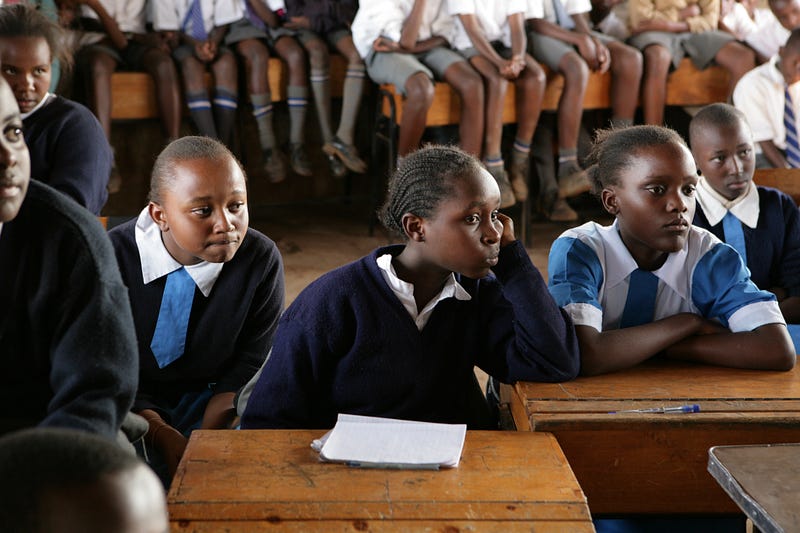
What are the literacy rate and its importance
Literacy is the ability to read, write, speak, and listen in a way that lets us communicate effectively and make sense of the world.
The literacy rate can be explained as the percentage of people in a certain sample of population or country that have the ability to read and write.
Literacy is critical to economic development as well as individual and community well-being. Any economy is enhanced when learners have higher literacy levels. Societies are improved with better literacy rates
The spread of literacy has emerged as a major factor in economic and social development. In fact, the linkages between education, health, and nutrition are mutual and complementary. The strong linkages between education, health, nutrition, and reduced fertility result in synergies, which can transform vicious cycles of poverty, illiteracy, malnutrition, and disease into virtuous cycles of learning and health, equity, and sustainable development.
~Kowsar P. Chowdhury
World Bank, Literacy and Primary Education
Lacking basic reading and writing skills is a tremendous disadvantage. Literacy not only enriches an individual’s life, but it creates opportunities for people to develop skills that will help them provide for themselves and their families.
The positive knock-on effect of educating girls can be seen in the wider social and economic benefits yielded for their communities. Increasing the emphasis on women’s education positively impacts each generation through raised expectations and increased self-esteem. Improving literacy facilitates employment whereby both males and females can contribute, helping the wider economy and community to thrive.
Infant mortality rates drop significantly for women who have had primary education, and even more for those who complete secondary school.
This is because girls and women are able to educate themselves on health issues, which can help reduce the cycle of poverty and mortality rates in the long term.
Thus Improved literacy can contribute to economic growth; reduce poverty; reduce crime; promote democracy; increase civic engagement; prevent HIV/AIDS and other diseases through information provision; enhance cultural diversity through literacy programs in minority languages; lead to lower birth rates as a result of increased education; and confer personal benefits such as increased self-esteem, confidence, and empowerment.
Covid19 effects on literacy rate of underdeveloped countries
Global shutdowns have pushed about 1.5 billion students out of school since March, according to a United Nations Children’s Fund report citing data from UNESCO, including 111 million girls in the world’s least developed countries.
The Covid19 disruptions are projected to end or seriously delay the education of 10 million secondary-school-age girls, according to an April report from the Malala Fund, which analyzed data from Sierra Leone’s Ebola crisis.
Recent Washington post reports warn
“Kids around the world are out of school. Millions of girls might not go back.”
~Danielle Paquette
Parents in more traditionally conservative nations tend to prioritize the education of their sons, experts say. In West and Central Africa, 73 percent of boys older than 15 can read, compared with 60 percent of girls in the same age group.
When families lose income, they’re more likely to stretch the budget on schooling for boys
~Laila Gad, UNICEF’s representative in Liberia, a former Ebola hot spot.
Covid19 effects on literacy rate of developed countries
A recent report from national literacy trust UK highlights the effects of COVID-19 on the literacy of disadvantaged children in their country.
COVID-19 is set to have a disastrous impact on the literacy of the 4.6 million children living in poverty in the UK, who already start school with vocabularies up to 19 months behind their better-off peers and who are twice as likely to leave secondary school without good GCSEs in English and maths.
With schools now likely to be closed for months and teachers only able to provide limited support to pupils at home, the literacy gap between disadvantaged children and their peers is likely to skyrocket and could hold them back for the rest of their lives.
While schools remain open for vulnerable children and the children of key workers, the latest figures show that only 5% of the most at-risk children are attending. What’s more, we know that these same children often don’t have the technology or connectivity they need to effectively learn from home, and their parents frequently lack the skills, confidence, and motivation to support their learning outside of a school environment.
1 in 11 of these families also don’t have books at home, and getting access to the life-enhancing world of stories — which can not only support children’s literacy but also be a comfort at this uncertain time — is out of reach as libraries and schools are closed.
In other developed countries where schools are fully closed the vulnerable children of the underprivileged families are suffering similar outcomes.
How is the effect on literacy rate going to affect our societies?
Lower world literacy is a global crisis that can have effects on all of us When a person struggles with reading, the social impacts are profound. A person who is unable to read may have low self-esteem or feel emotions such as shame, fear, and powerlessness.
Students who struggle with literacy feel ostracized from academia, avoid situations where they may be discovered or find themselves unable to fully participate in society or government. Literacy permeates all areas of life, fundamentally shaping how we learn, work, and socialize. Literacy is essential to informed decision-making, personal empowerment, and community engagement. Communication and connection are the basis of who we are and how we live together and interact with the world.
~Dwyer,
A person who cannot read struggles to know their rights, to vote, to find work, to pay bills, and to secure housing. All told, this complex struggle spirals outward, impacting future generations, and our society.
“Illiteracy impacts an individual’s opportunities to fully participate in a democratic society, It doesn’t just have a negative effect on that person’s life, but on the overall health and well-being of our country.”
~Leigh A. Hall, professor and Excellence Endowed Chair in Literacy Education at the University of Wyoming.
Literacy and Health Outcomes research confirms that low literacy is associated with a range of adverse health outcomes.
Also,
“people struggling with literacy are more likely to be poor, lack education, and miss out on opportunities to participate fully in society and the workforce,” according ~Project Literacy.
Effects on our future generations
Illiteracy often passes from generation to generation, regardless of whether children attend school.
“Many of these adults experienced such frustration as children that they deliberately avoid literacy-related activities in later life. When they have children of their own, they tend to communicate (often non-verbally) their negative feelings towards literacy and schooling to their children, and thus perpetuate an intergenerational cycle of illiteracy”.
~UNESCO’s
The consequences of this cycle are many and harmful in several respects. As well as affecting illiterate individuals themselves in their daily lives and jeopardizing their future, this scourge has a negative effect on society as a whole, both socially and economically.
References
1.http://www.read.org.za/useful-info/benefits-of-literacy/
4.https://plan-uk.org/blogs/the-importance-of-education-how-literacy-improves-lives


