
Last Day….First Day and in between
Homesickness, Trauma & Hot Chocolate
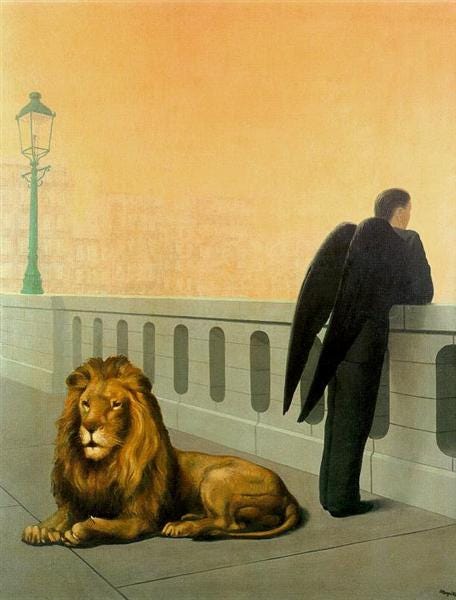
The end of August 2013 was approaching. The whole world awaited an attack from the US on Syria after allegations that the Syrian regime had used chemical weapons against its citizens. As well, I had been impatiently awaiting to leave for The Netherlands via Lebanon to start a new chapter in my life and say goodbye to the war (or so I thought).
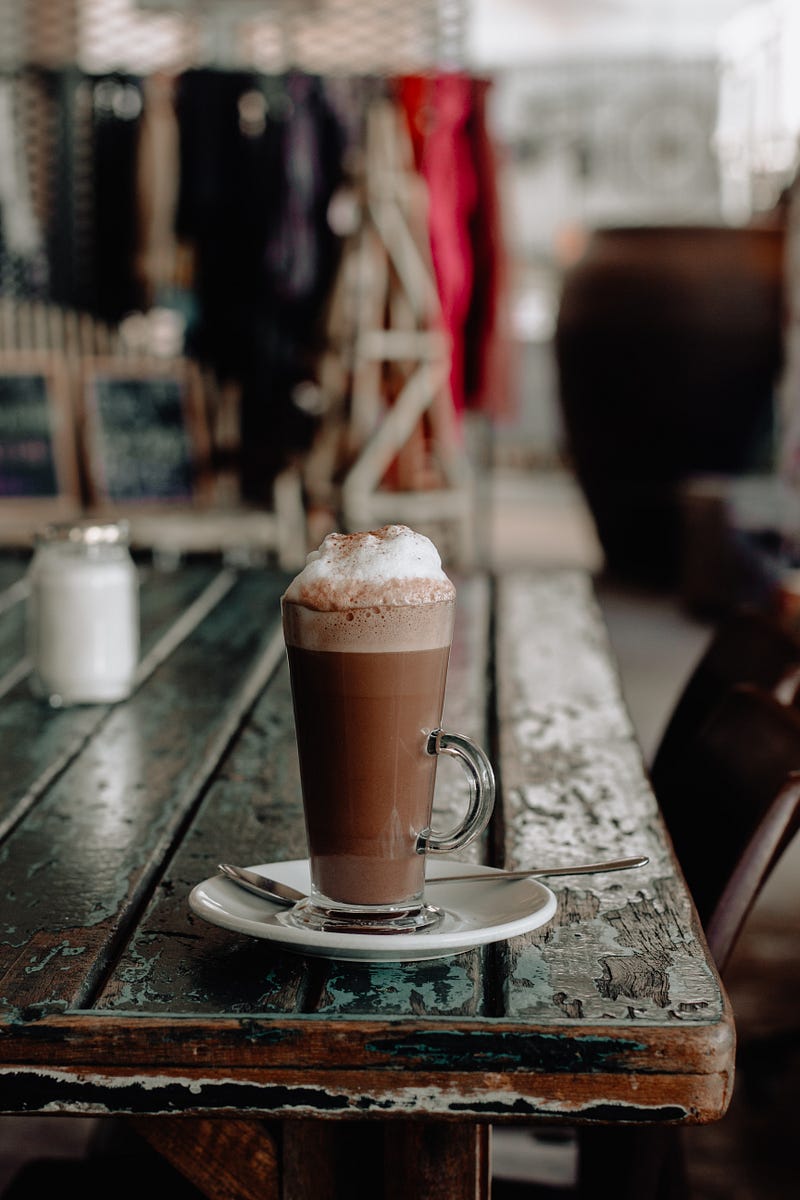
As a result of the new dynamics on the ground and rumors that the Syrian-Lebanese borders would be closed, I decided to leave without proper planning. I believe that not planning for sad goodbyes is a privilege. It took me just two hours to prepare two bags and choose a couple of family pictures, look at every detail in my room and hug my parents and sisters and let their tears cover my checks, and leave in a friend’s car. A cup of homemade hot chocolate was the last thing my mother gave me (made with love, as she always said).
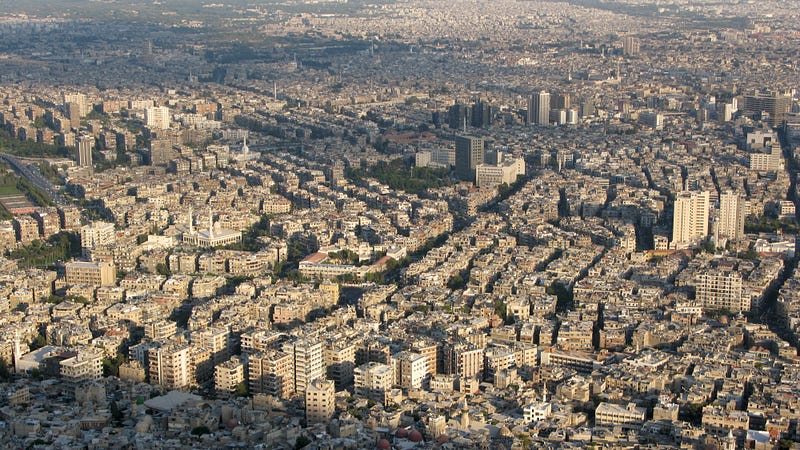
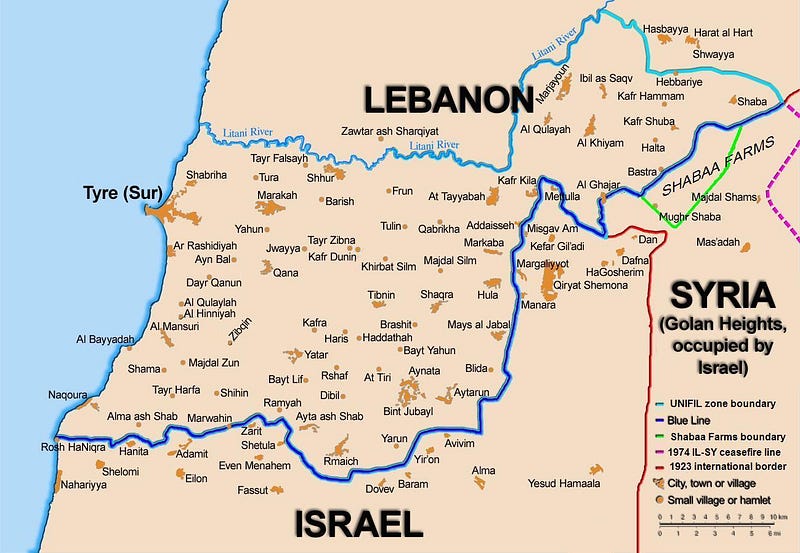
At dawn, in a city of war, fear, and horror of daily death, misery, and American strikes (that never came), we had to drive to reach the highway to the border. At the first checkpoint, the officer took my hot chocolate and began drinking it while laughing. It was more than chocolate, milk, and hot water. It was the last thing my mother made for me with love and devotion. A part of my heart and dignity was taken from the roots of my soul when the man took it from me. It was impossible for me to say “ NO” because “ NO” meant the end of the journey, and maybe the end of me as a person.
Our journey, which normally took less than one hour, extended to more than three hours because of 7 checkpoints of soldiers on the highway causing chaos in the car and the luggage.
At the borders, we saw thousands of people waiting while officers shouted at them horribly. As the sun spread its rays over us, I could just hear their shouts and the cringe of the babies and kids.
In order to pass the border, I offered 5 dollars to one of the officers (This type of corruption is very widespread there, unfortunately). He wanted 10 $and we settled on 8$. In the middle of all the vehicles, a white Honda Civic (the car of my friend) moved between them and left the border.
In those moments, I cannot describe how I felt. The last morning in Syria, the last scene of Syria, the last morning birds in Syria…what crossed my mind was the lyrics of the song by Chris De Burgh (Borderline).
After leaving the borders, surviving wars, and saying goodbye to the horrible machine of blind killing and that savage monster called death. I thought that since I was naive at that time.
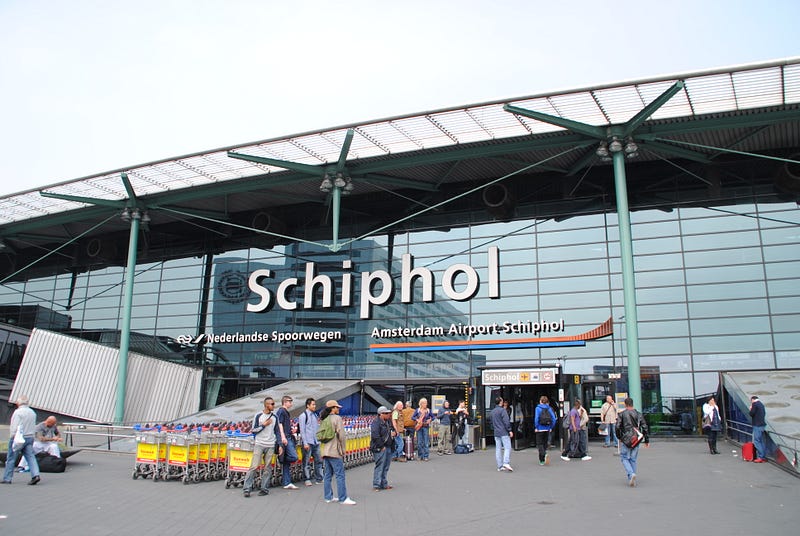
I had just left Syria and after 22 hours I had reached Schipol airport, carrying two bags and a heart half eaten by the sadness yet full of hope that would never die.
Thanks to the endless windmills on the road to Maastricht, my new city, I remembered Don Quixote(the hero of my childhood) and all the books of chivalry that “ spoiled” his mind and forced him to leave for fairness, beauty, and love. A similar route was followed by me. Reminding myself that I had no shoulder to cry on, I started to feel better. I needed to gather myself, be strong and patient and be a warrior of light as Paulo Coelho said “ to make these decisions with courage, detachment, and — sometimes — with just a touch of madness.”
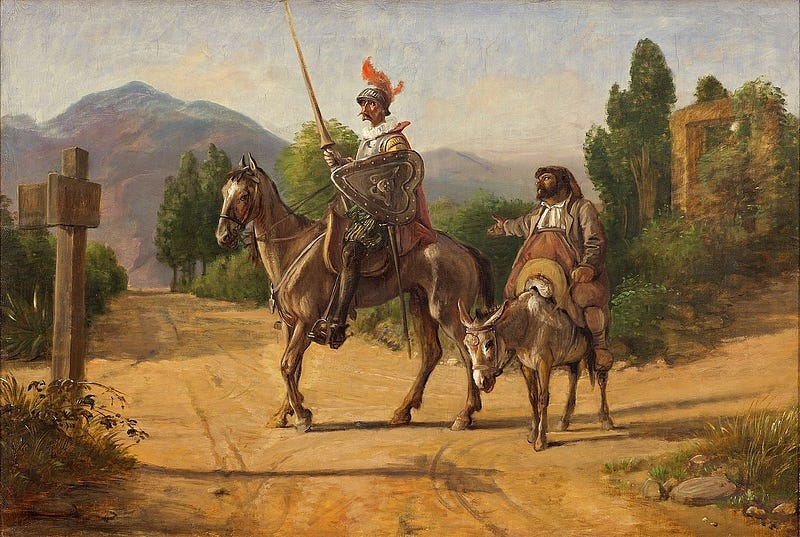
When I left the war, I thought that the pain would diminish and the memory would fade away, especially when the wound was still fresh. However, I was wrong. Although time would heal the wounds of the bodies, they would leave some scars, whereas the wounds of the heart and spirit would take longer to heal, and their scars are bigger and deeper than those of the body and the whole world. Despite surviving the war, I fell into a complex trap of homesickness and memories.
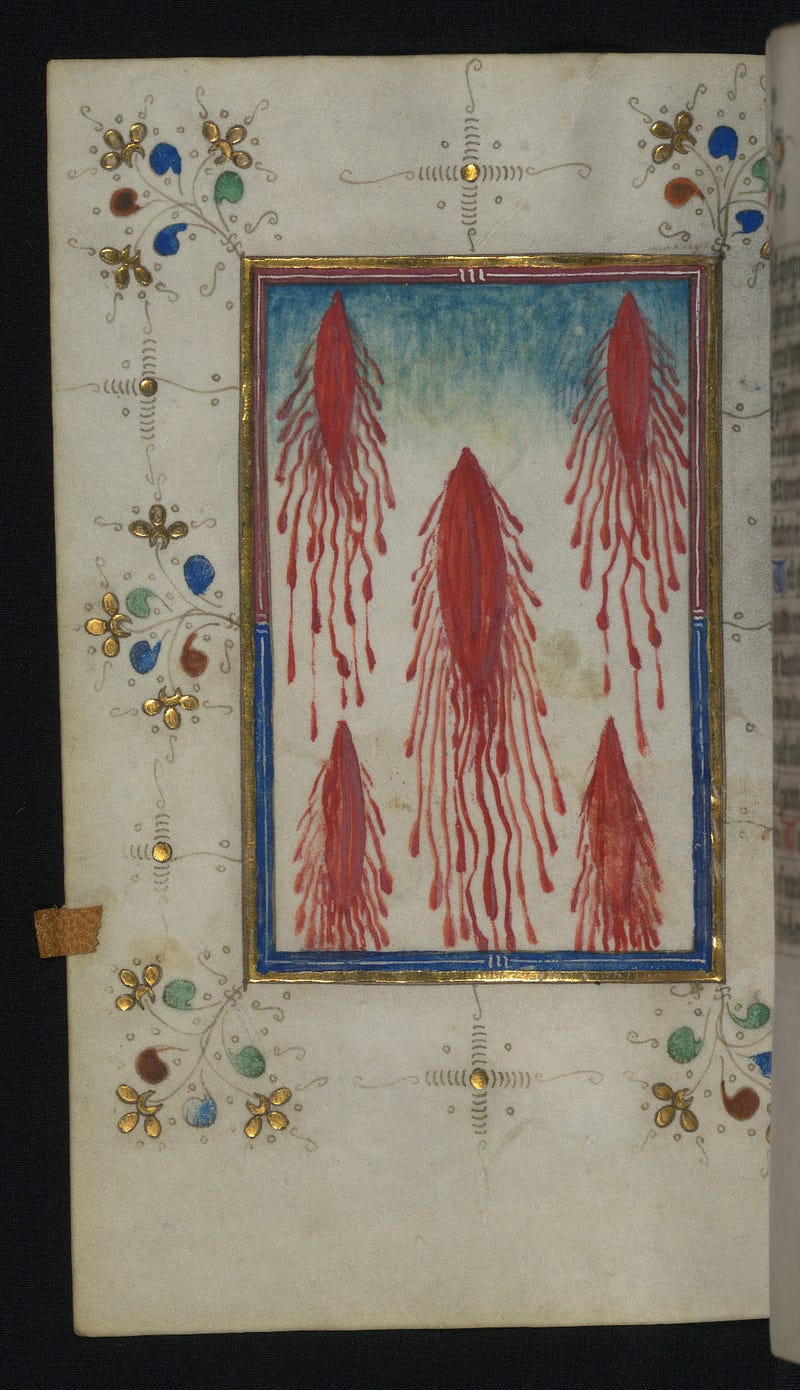
Eventually, you will know that the fruits of the pain make the juice of wisdom and sometimes art and that failures make you more patient to achieve what you want and what you deserve.
In the Netherlands, I moved between several cities and many houses and never felt at home until I found love, and the eyes of the woman that I love and her heart became my shelter on rainy days, my garden in the spring, and my new home, though it is hard for me to forget the home of Jasmin (my city Damascus) that I left nine years ago.
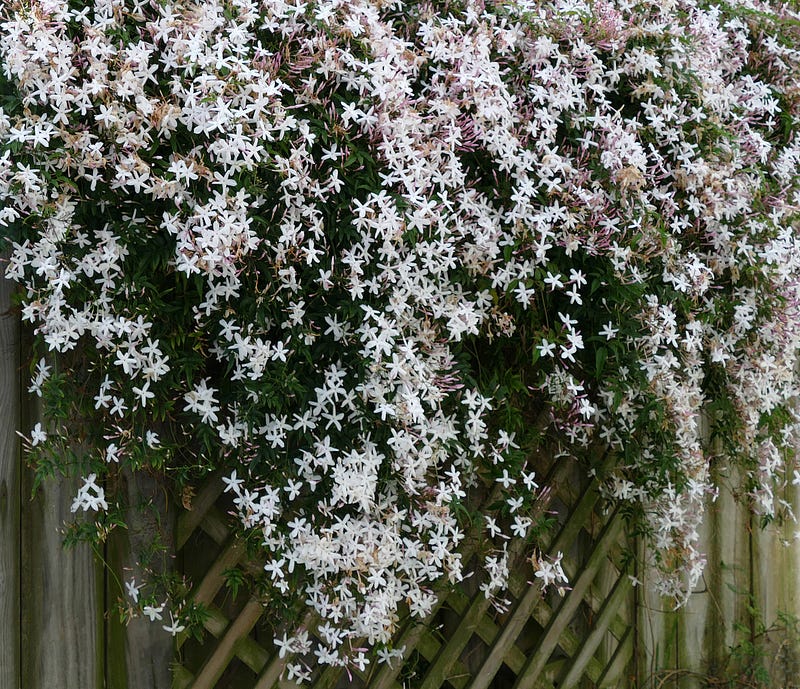
I am still dreaming of a day where “In the dawn, armed with a burning patience, we shall enter the splendid cities.” Until that day comes, I will continue cultivating love in my new home and dreaming of that city where peace, love, and no harmful people can steal my hot chocolate anymore…
Subhi Najar is an Alchemist of words, Little Prince, Public Speaker, storyteller, content Creator, and war survivor.
Kindly follow me on Medium & Twitter
&
If you like my work, please subscribe here! Also, medium permits you to read 3 articles per month for free. If you wish to have unlimited access to my articles and thousands of great articles, don’t hesitate to get a membership for 5$ per month by clicking my referral link: https://medium.com/@subhinajar/membership



,_0119NMK,_Nivaagaards_Malerisamling.jpg)
