avatarSofia Isabel Kavlin

Free AI web copilot to create summaries, insights and extended knowledge, download it at here

842

Abstract

, That dwells in change.</i></p><p id="a8a4">I’m mourning the earth since, I met lantern flies last Sunday, These black and grey, And bright red creatures, Beautiful carriers of death, Feeding on sap and moisture, “<i>In a few years, these trees will have dried up</i>”, You said to me as we walked down a winding path.</p><p id="d670">Then I felt a piece of myself wither, Since falling is the essence of a flower, Since perhaps our time on this earth, Is only for summoning endings, With bare feet and empty hands.</p><p id="e893">Should this body die and die again, White bones turned to dust, Palms open and pray, We might see a bright blue sky, Before bidding farewell and parting ways.</p><p id="d19d">Inspired by Japanese death (or farewell) poetry, <i>jisei — </i>the practice of writing a poem at the time of one’s death is the ulti

Options

mate reflection on transcience. Drawing on Zen Buddhist teachings, <i>jisei</i> brings up notions of impermanence (無常, <i>mujō</i>), detachment, and emptiness. I learned about this practice last Saturday taking part in a Japanese tea ceremony for the first time. Here’s a death poem that I wrote (following the traditional 5:7:5 format):</p><p id="4b9f"><i>I see you my love, You have smiled and receded, To embrace yourself.</i></p><p id="5b4b">An alternative reflection on climate change, and controversial perhaps, Is that we are not here to save but to accept that all things come to an end. To accept with grace and responsibility what we have brought about not from human exceptionalism (which is an illusion) but because we are an expression of nature itself — whose tendency is to birth, blossom, wither and decay.</p></article></body>

Lantern Flies

A reflection on transcience
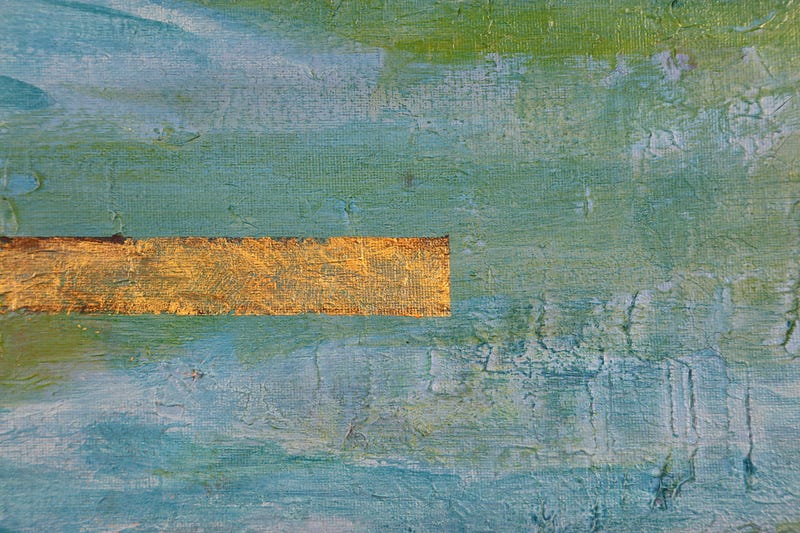
Photo by Paul Blenkhorn on Unsplash

“I am become death,” Said time once it went nuclear, Chronos bore six children, Only to bid them farewell.

It’s been a while since I’ve imploded this deeply, Since I’ve carried sorrow so lightly in my being.

This unbecoming suits me well, And there are words that have, Sunk deeply into my heart, And have awoken a longing, To touch the ethereal world, That dwells in change.

I’m mourning the earth since, I met lantern flies last Sunday, These black and grey, And bright red creatures, Beautiful carriers of death, Feeding on sap and moisture, “In a few years, these trees will have dried up”, You said to me as we walked down a winding path.

Then I felt a piece of myself wither, Since falling is the essence of a flower, Since perhaps our time on this earth, Is only for summoning endings, With bare feet and empty hands.

Should this body die and die again, White bones turned to dust, Palms open and pray, We might see a bright blue sky, Before bidding farewell and parting ways.

Inspired by Japanese death (or farewell) poetry, jisei — the practice of writing a poem at the time of one’s death is the ultimate reflection on transcience. Drawing on Zen Buddhist teachings, jisei brings up notions of impermanence (無常, mujō), detachment, and emptiness. I learned about this practice last Saturday taking part in a Japanese tea ceremony for the first time. Here’s a death poem that I wrote (following the traditional 5:7:5 format):

I see you my love, You have smiled and receded, To embrace yourself.

An alternative reflection on climate change, and controversial perhaps, Is that we are not here to save but to accept that all things come to an end. To accept with grace and responsibility what we have brought about not from human exceptionalism (which is an illusion) but because we are an expression of nature itself — whose tendency is to birth, blossom, wither and decay.

Poetry
Poem
Life Lessons
Scribe
Free Verse
Recommended from ReadMedium