
Language of Hate and Intimidation
How do you make one group of people hate another group of people they have never met?
Images by Shutterstock
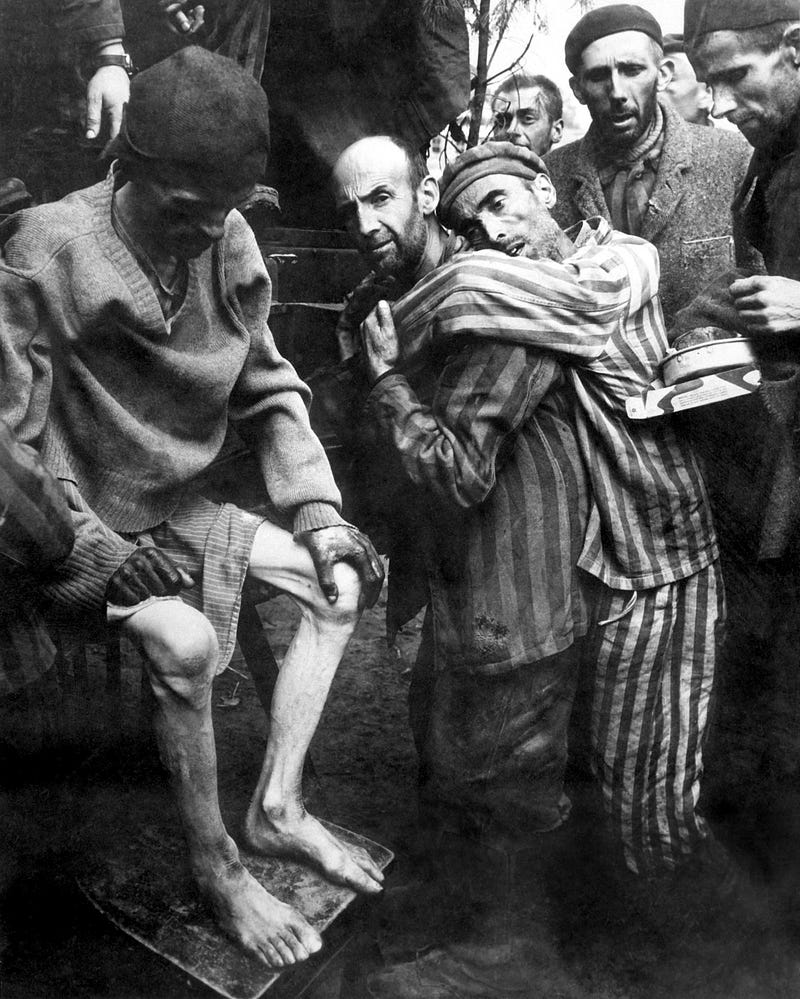
In the dimness of the kitchen, the air thick with the aroma of cooking, my grandmother prepared the Shabbat meal. I stood there in the narrow hallway, inside the frame of the door and watched; her body planted firmly in the chair, deft fingers kneading the dough with long slow movements turning the sticky mound, pounding and rolling it. She continued to move the rolling pin until the dough thinned and soon gaping holes stared back at her. But she didn’t see them. These widening spaces lead her behind her eyes. Eyes that had seen a life perish before it even began. By men too hateful, heartless to her soul, they took her children away, her family, their fingers red with blood.
She frequently paused from kneading, a strange distant look entered her eyes, and I felt the rush of all the years of grief and the ocean of pain pouring forth. At that moment, the continuing and unwelcome sense of gloom, blotted out the line between real and imagined worlds and infected me.
Why do I remember chiefly the unpleasant, the disastrous incidents connected with my family?
The proverb “what will befall all Jews, will befall each Jew” has assumed my reality. A rise in bias crimes and anti-Semitic attacks during Hanukkah is what prompted my PTSD to kick up and prompted me to write this article. These incidents remind me of the legacy I inherited, and I still experience the residual effects of my family’s terror.
From the early years of my life, I’ve learned to carry the burden of my close and distant family’s catastrophe and sadness. It is a legacy that I inherited. How does a history of destruction begin?
Once my grandfather said to me: “questions die with people, and so do answers.”
I grew up in the murky shadows of a family who were buried so deep in their past lives that they were not able to stand back and consider the nature of their present lives. They talked about mistrust and instilled in me that people were evil and not to be trusted. Their words had the stench of charred flesh, rotting and decaying.
The Final Solution of the Jewish population entailed the attempted disappearance of the Jews, the Jewish religion, and the Jewish culture. The Holocaust, then, became a link in my historical chain of Jewish suffering. And I am left with one question:
How does one explain a history of destruction?
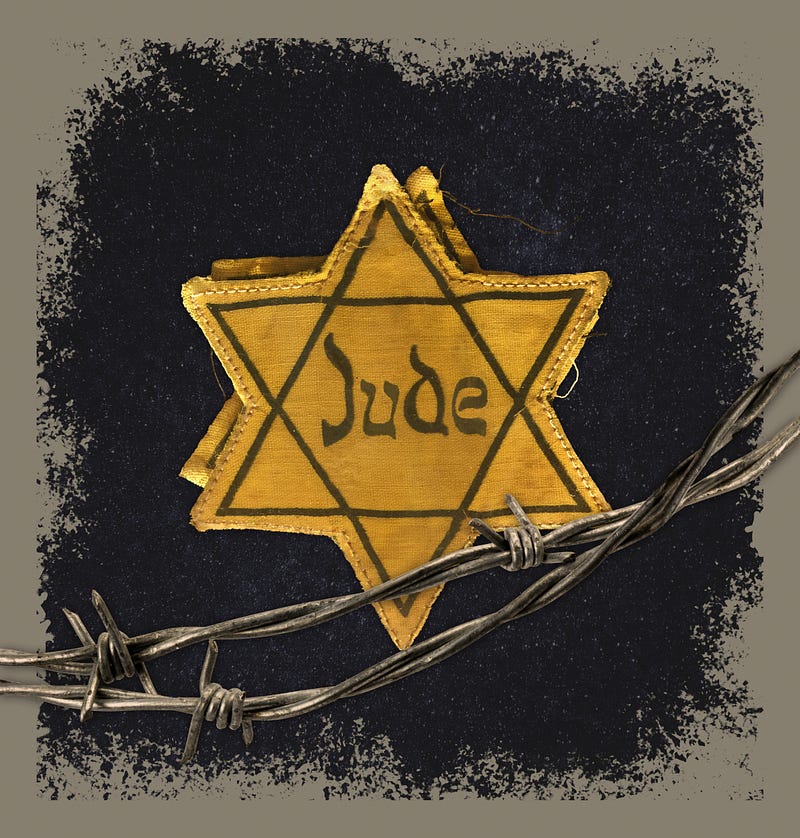
It all begins with language
The whole essence of human beings is communication.
People are eager to say something to each other, to learn or teach, to agree or reject, show affection, and so on. Language also has the capability of setting off the immeasurable suffering that people inflict on each other — the uttered words that fuel a climate of hate and intimidation. The spoken words have the power of spreading out ignorance and resentment and unimagined death.
The U.S. has seen protestors in Charlottesville, shouting, “Jews will not replace us!”
The dehumanizing consequence
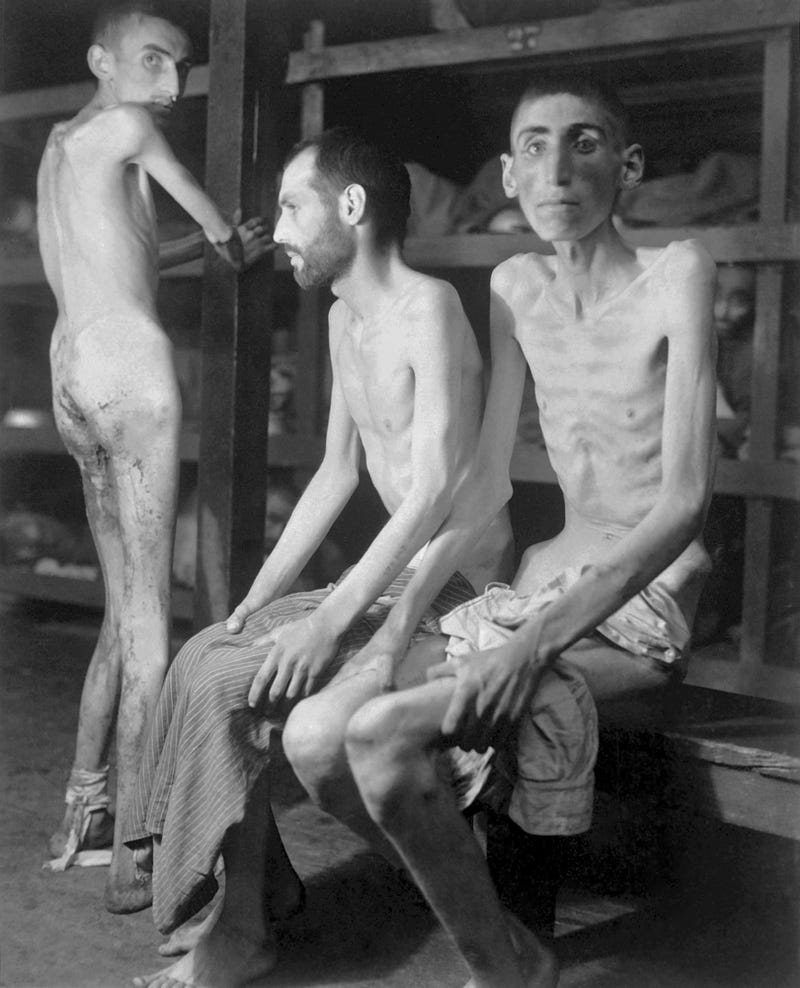
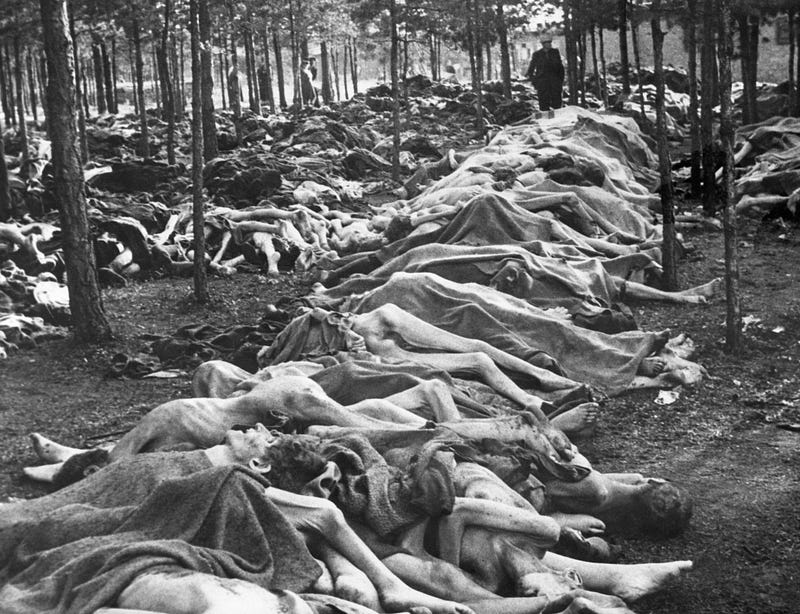
Science backs up the idea that hate speech can cause ‘a dehumanizing effect.’ When left unchecked, hate speech can lead to violence and even set conditions for genocide. Between 1938 and 1945, the ‘dehumanization effect’ was evident in the mass murder of 11 million people — 6 million of whom were Jews.
Discourse was used to weaponize for self-serving gain with hostile rhetoric directed at Jews who were called rats and vermin by the Nazis before the Holocaust. Butchery and harassment are the predictable results of such rising intolerance, of singling out a group and declaring that these people are the source of misery, the monster in the dark, that they are not like us, they do not share our humanity, and are undeserving of our compassion.
In the modern era
Anti-Semitism has emerged as a political ideology that claims Jews control the world and are to be blamed for phenomena such as capitalism and communism. Anti-Semitic narratives, such as blood libel, continue to be heard today.
Complex contemporary challenges like the financial crisis or the conflict between Israel and the Palestinians are reduced to placing blame on the Jews, drawing on such anti-Semitic stereotypes and conspiracy theories. Arson and graffiti on synagogues, the desecration of Jewish graves, and assaults on persons wearing religious garments including their murder.
Anti-Semitic attacks are up in the U.S. this year. In addition to more than eight attacks in the metropolitan New York City area over the past few weeks, including the killing of three people during a shooting at a Jersey City Kosher Market last month.
In October of 2018, one of the worst acts of violence against the American Jewish community left 11 dead in a Pittsburgh synagogue. In April of 2019, a worshiper was gunned down at a California synagogue, followed by a July shooting that targeted a Miami temple.
Disturbing footage has been released of a Chassidic Jewish man being assaulted last week by a group of black teens who threw a chair at him and punched him in the head as he walked in Crown Heights. The 65-year-old victim was punched and kicked, suffering cuts. It is known that most attacks are not recorded because victims are fearful of revenge. And the list goes on.