
Lahore Is One of the World’s Most Polluted City
Poor air quality index
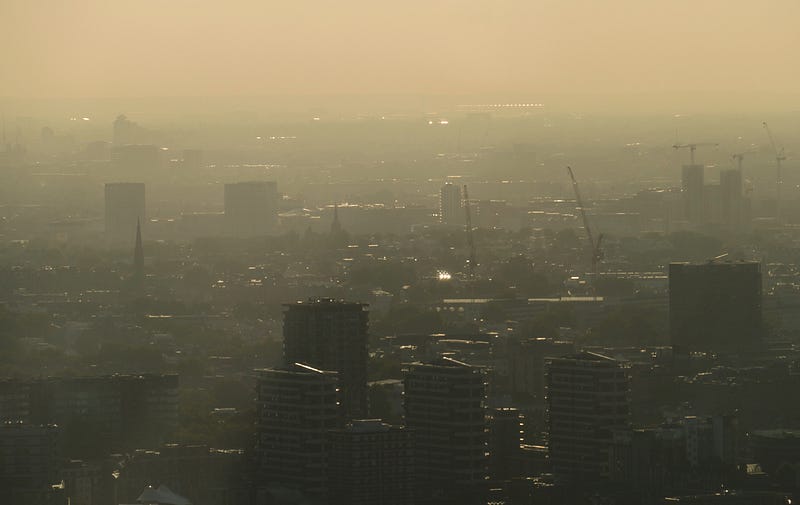
Lahore, the bustling heart of Pakistan, is a city choking under the weight of severe air pollution. The city’s air quality problems pose a significant threat to the health and well-being of its approximately 14 million inhabitants. Every other person is paying visits to the doctor due to the smoggy season.
Health Risks
Living in a city with lots of air pollution like Lahore isn’t just uncomfortable; it’s actually dangerous for your health. Breathing in dirty air full of smog, dust, and chemicals from cars and factories can cause severe lung problems, such as asthma and lung cancer.
It’s scary, but the truth is, being in this pollution every day can cut years off people’s lives. Breathing Lahore’s air is equivalent to smoking 30 cigarettes per day. Moreover, recent research shows that people living in Lahore will die seven years earlier. This is the reality for the people in Lahore, and it’s especially risky for kids and older people whose lungs might not be as strong.
Long-Term Impacts
The bad air doesn’t just hurt people today; it also has long-term effects that can last for generations. When pregnant women are exposed to this pollution, their babies might be born too early or have health problems that affect their brains.
Even the DNA in our bodies can be harmed, leading to health issues that get passed down to kids and grandkids. It’s a huge problem because it means not just one person gets sick, but their whole family might have to deal with these health troubles for years to come.
Air Quality Measurements and Consequences
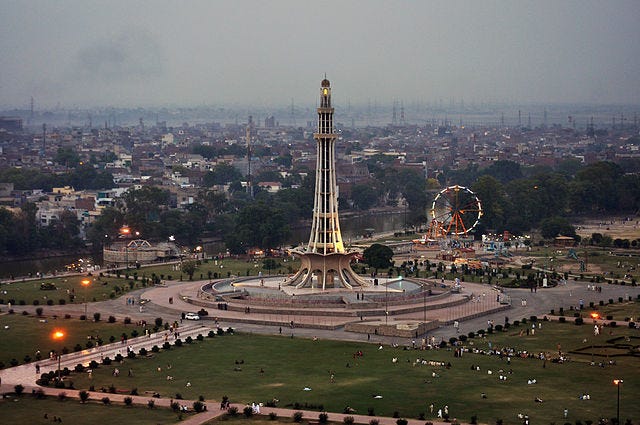
Anarkali Bazaar, one of the oldest markets in South Asia. Shop owners fight a never-ending battle against the dust that settles on their goods. Air quality measurements tell us how clean or dirty the air is. Experts have found toxic particles, gases and chemicals in the air with the use of special tools.
If the score is low, the air is clean, and it’s a good day to be outside. But if the score is high, it means the air is dirty, and it can be bad for our health to be outside for too long. The current air quality index in Lahore is 438 US AQI. PM2.5 concentration in Lahore is currently 81.3 times the WHO annual air quality guideline value.
Urban Infrastructure and Waste Management Challenges
Cities have a big job dealing with all the trash and waste that people and businesses make daily. It’s a tough challenge because there’s so much waste and only so much space to put it. The trash trucks have to fight through busy city traffic to collect garbage from bins, streets, and homes.
If cities don’t handle this right, trash can pile up, making the streets dirty and smelly and harming the environment. To manage waste, cities need good plans for recycling, composting, and throwing away garbage safely. Recycling helps turn things like paper, glass, and plastic into new stuff instead of letting them go to waste.
Lahore’s Fight Against Pollution
Keeping places clean can sometimes be a tricky thing. People like clean parks, streets, and neighbourhoods, but making these spaces clean often means using machines that can pollute the air. For example, when workers use leaf blowers to clear up the autumn leaves, the blowers can spit out smoke and chemicals into the air we breathe. It’s like trying to make one thing nice while accidentally causing another problem.
In Lahore, they’re really trying hard to fight against pollution. The city’s air can get so dirty that it’s hard to see far, and it can make people sick. So, the people there are planting more trees because trees are great at cleaning the air. They’re also trying to use fewer cars and motorbikes that make a lot of smoke and instead ride bikes, walk, or use electric buses that don’t pollute. It’s all about finding smarter ways to live and move that don’t make the air dirty.