
La Vela Muxe: Celebrating Mexico’s Third Gender
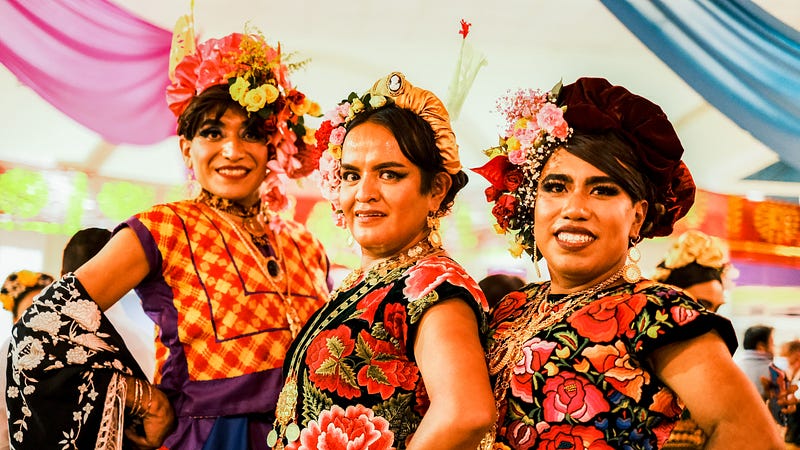
In life, we all know there are two types of gender, which are male and female. But did you know that Mexico has a third gender known as Muxe?
“Muxe is neither a man nor a woman; it is beyond that.” -Luciana
In 2014, Mexico City became the first jurisdiction in the country to legally recognize the third gender on official documents. This recognition allows individuals to choose “gender not specified” on their identification documents, reflecting the commitment to inclusivity and respect for self-identified gender identities.
The third gender recognition in Mexico City is a significant step toward acknowledging and validating the experiences of non-binary, genderqueer, and other gender-diverse individuals. It serves as an example for other regions and countries, emphasizing the importance of recognizing and respecting the full spectrum of gender identities.
On my Mexico journey this time, I had the opportunity to attend the Fiesta de la Vela Muxe in Mexico City. The Mexican Muxes community held this fiesta to honor indigenous Zapotec customs. And the guests were not only from Mexico City but the Muxes from Juchitán de Zaragoza came all the way from Juchitán de Zaragoza.
Juchitán de Zaragoza is located in the southern Mexican state of Oaxaca, Mexico. In this small indigenous town, male and female are not the only genders; yet, there is also the Muxe (pronounced “Mushay”), which is considered a third gender identity in the Zapotec tradition — people who were born identified as men but dress and behave like females. They are recognized as an important part of Zapotec culture.
This festival took place indoors. A ballroom that was decorated with pops of vibrant colors. Divided into three sections: the stage, the dance floor, and round tables and chairs. I looked around and felt in awe at how impressive the attendees were. They were stunning, especially the Muxes. They wore a flower-embroidered dress called the Traje de Tehuana, as well as the Huipil (a hand-embroidered blouse with a squared neck) and the Enagua (a skirt), and on top of their heads, they wore braided ribbons or braided flower crowns. They may also be seen wearing a rebozo, a long shawl that can be draped over the shoulders or wrapped around the head, as well as traditional jewelry such as earrings, necklaces, and bracelets. Frida Kahlo, as you may know, was inspired by this gala costume for her attire. While the men wore guayaberas (which have two vertical embroidered stripes on the front) and dark pants.
I met Luciana at the party. She looks beautiful in her gala gown, and with pride she says, “Muxe is beyond a gender because it is a duality, neither man nor woman.”
Malintzin is a native of Mexico City. She has many Oaxacan friends and loves their culture. That is the reason she has been here. She says, “I love Oaxacan traditions, and they are beautiful.” I think it is one of the states in the country with the most cultural richness.”
This festival began with traditional ceremonies: La Calenda, a parade where the muxes carry candles and lanterns through the room. Then they continued La Regada, where they threw fruits, kitchenware, and so on. Queen La Vela was selected. Then there’s music, traditional dance, typical dishes, and beer. At that moment, I realized how much Mexicans love dancing. The dance floor was never empty, they didn’t look tired, and music was always playing. They were rejoicing and blissful.
It is such an enriching experience. Meeting Mexico’s muxes community opened my eyes to how muxes have become part of the culture and traditions in Mexico. They celebrate their unique culture and identity and how they have been accepted in this country.
Read more story:
or: