
La Rambertia, a Swiss alpine garden at 2000 m.a.s.l. + Bonus
PART OF MY SERIES Natural wonders of Switzerland’s canton Vaud
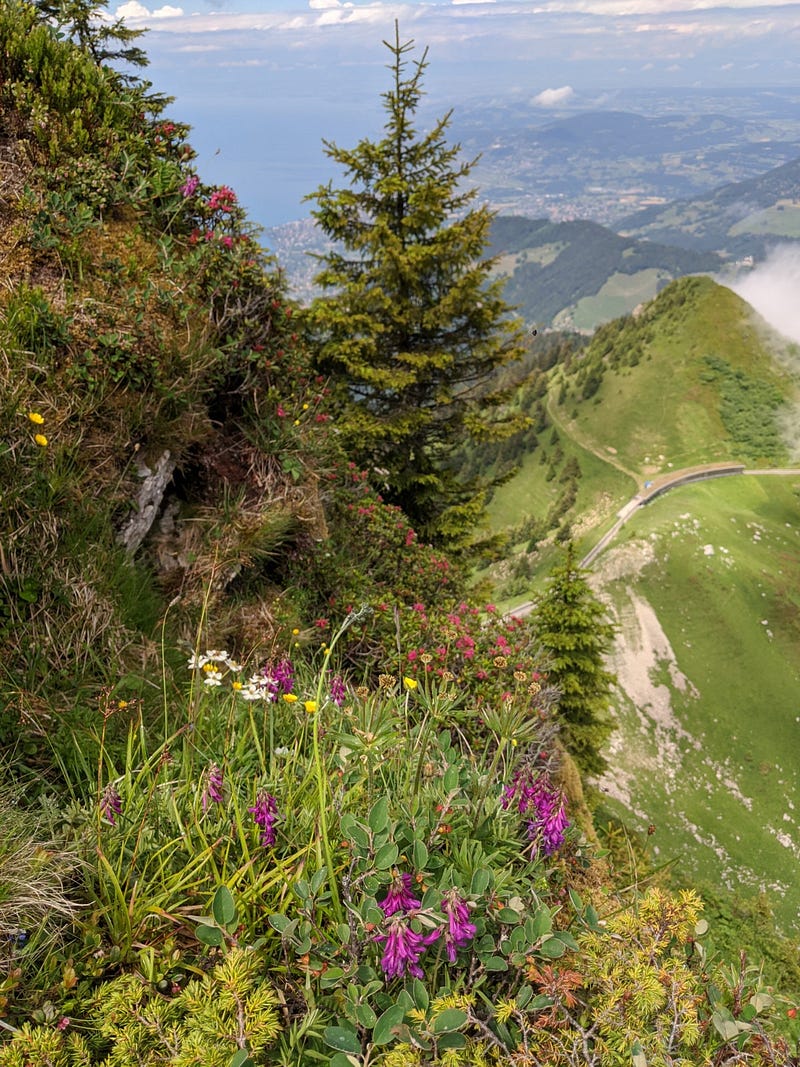
We easily spotted some tens of different plant species while hiking from Montreux up to Rochers-de-Naye (see my stories on flower-spotting hiking Part 1 and Part 2). But wait, there’s much more to discover at the alpine garden (jardin alpin) “La Rambertia” which awaits you at 2000 m with plants from mountains all over the world.
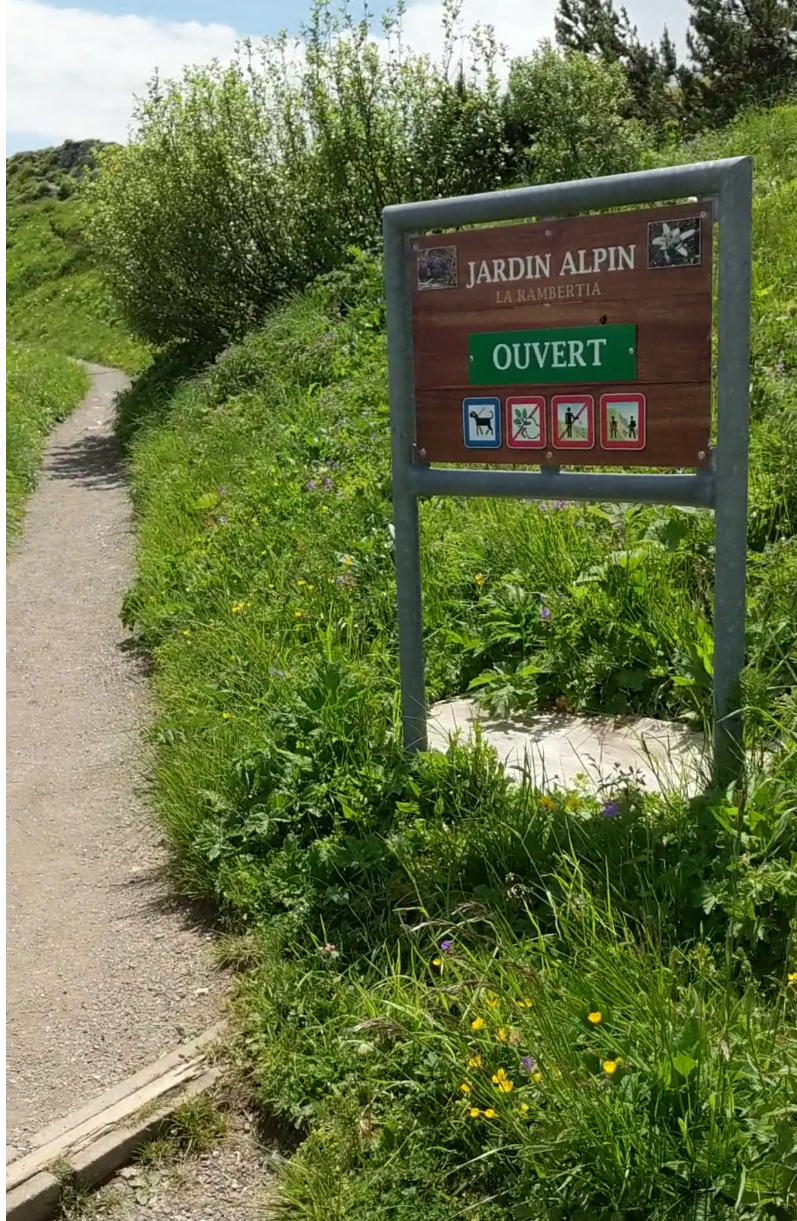
The following are just some of the photos I took of the many flowers in my visits to the alpine garden during the summers of 2020 and 2021. But the garden has almost a thousand species, and of course, not all of them have flowers at the same time. Maybe worth visiting multiple times from spring to fall?
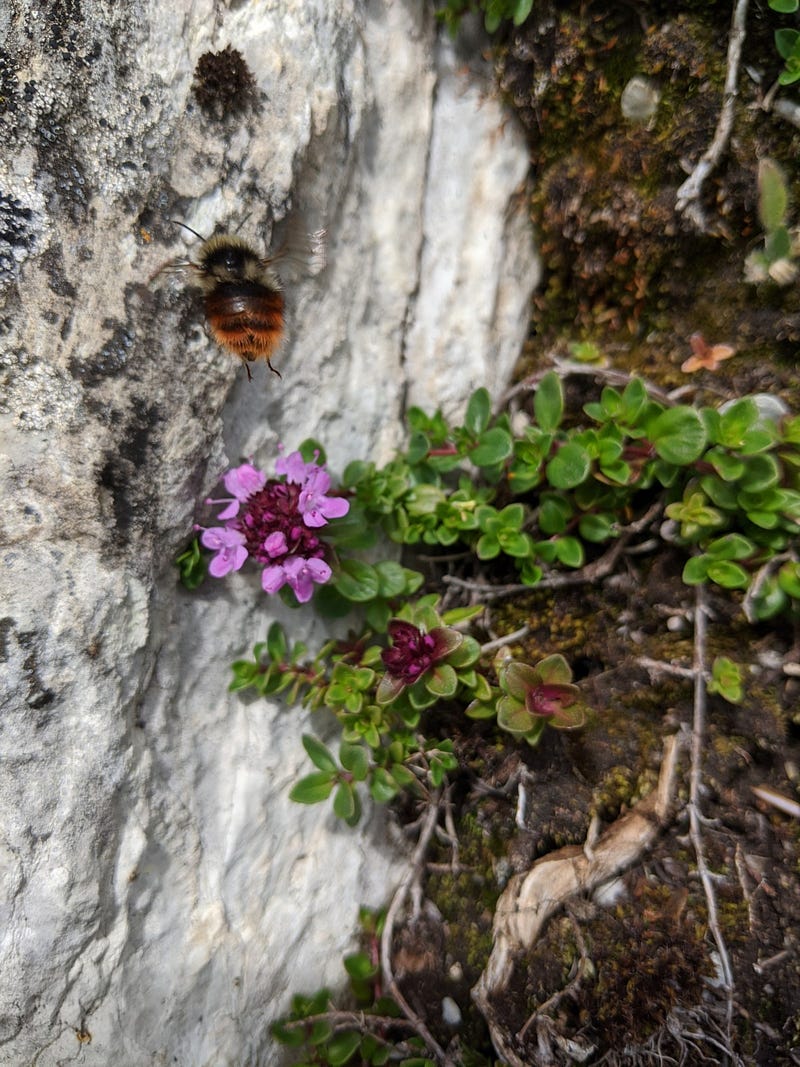
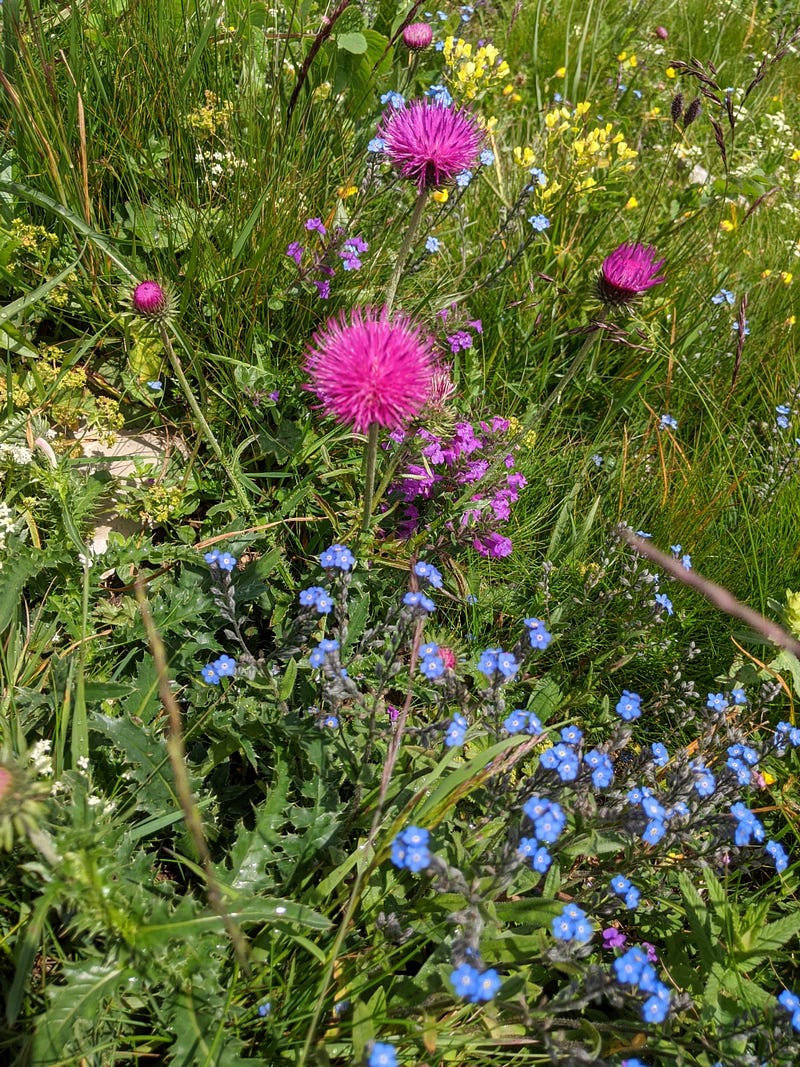
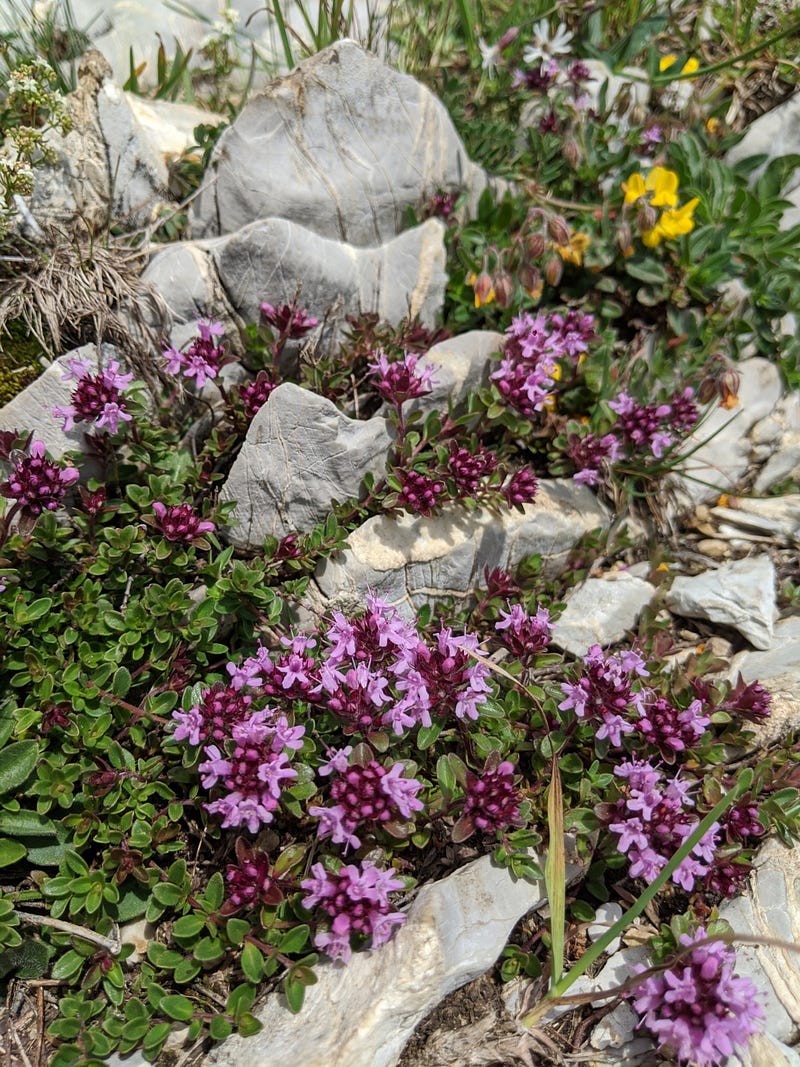
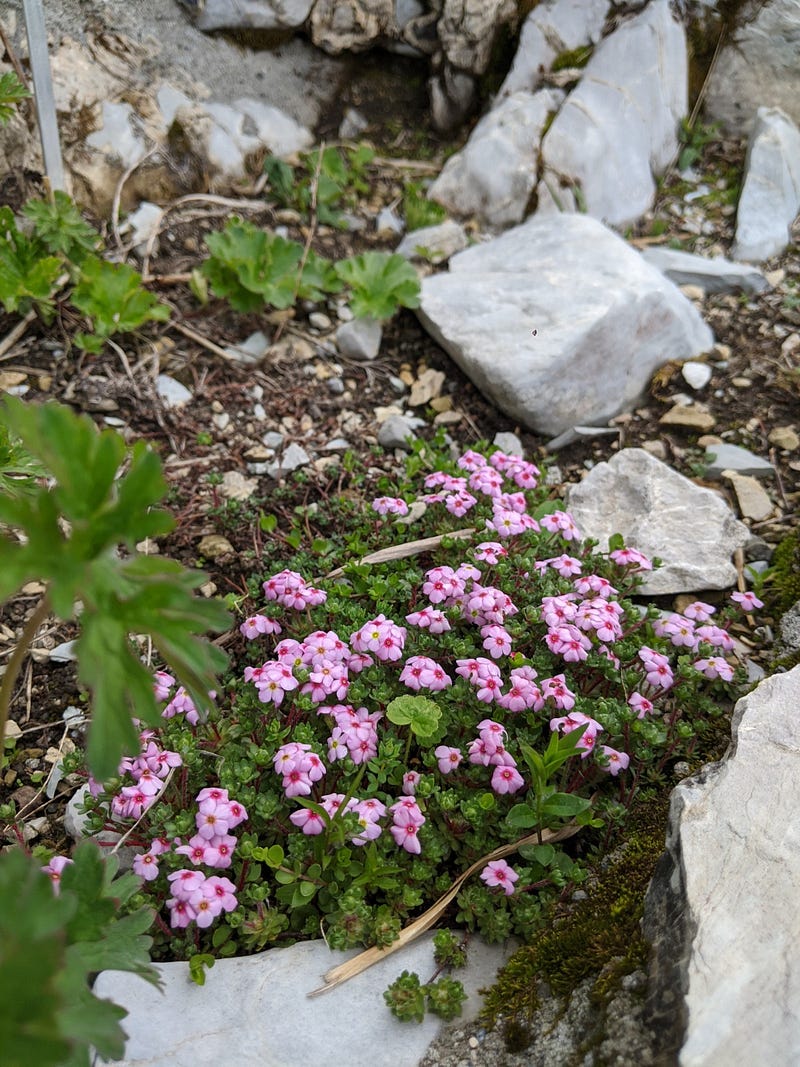
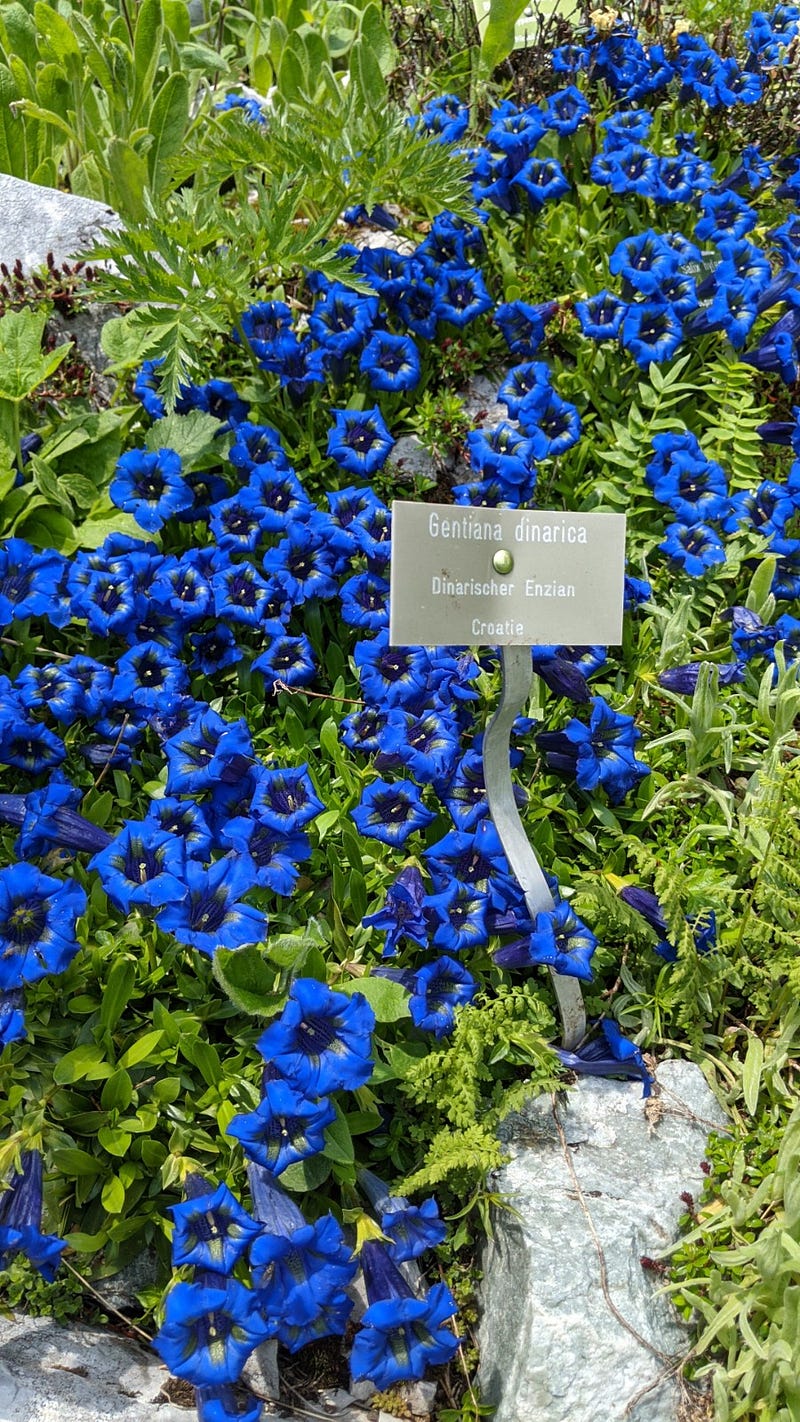
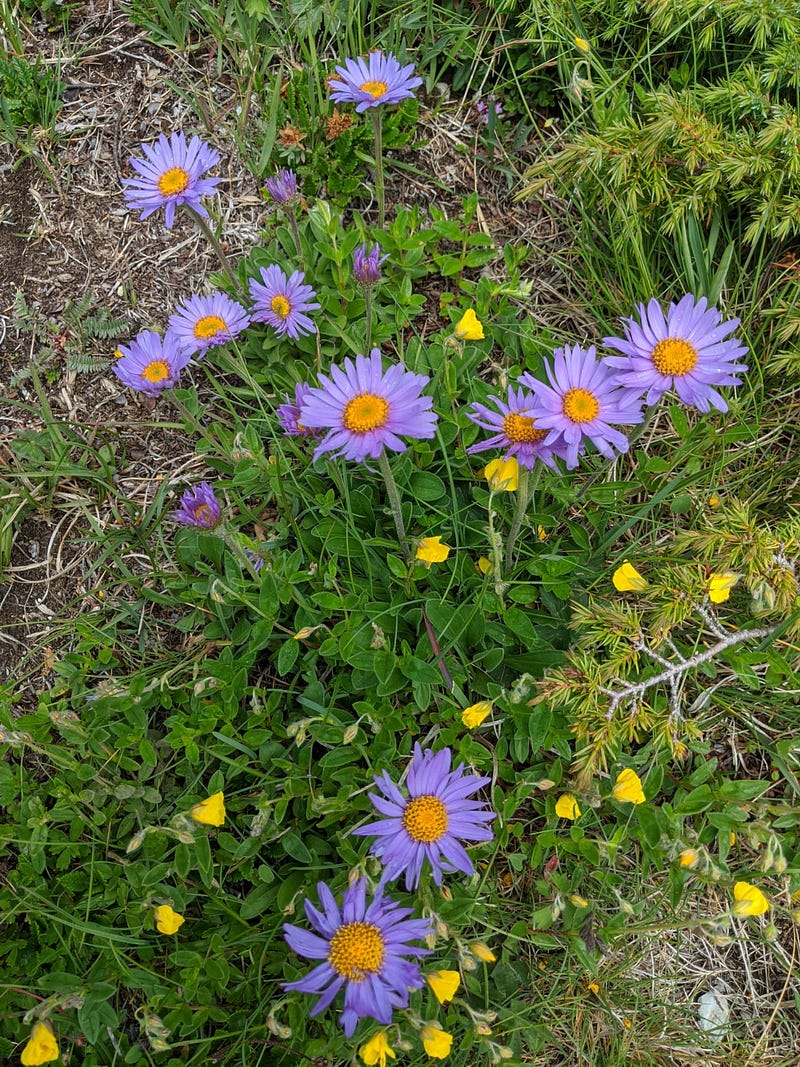
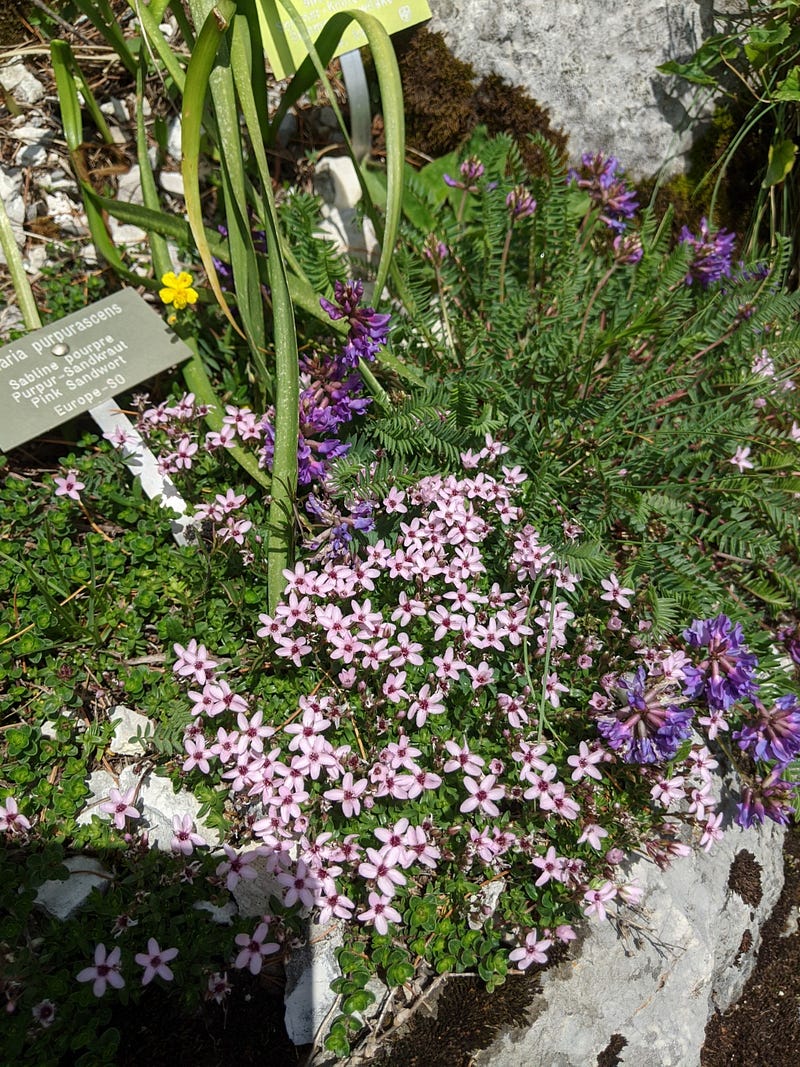
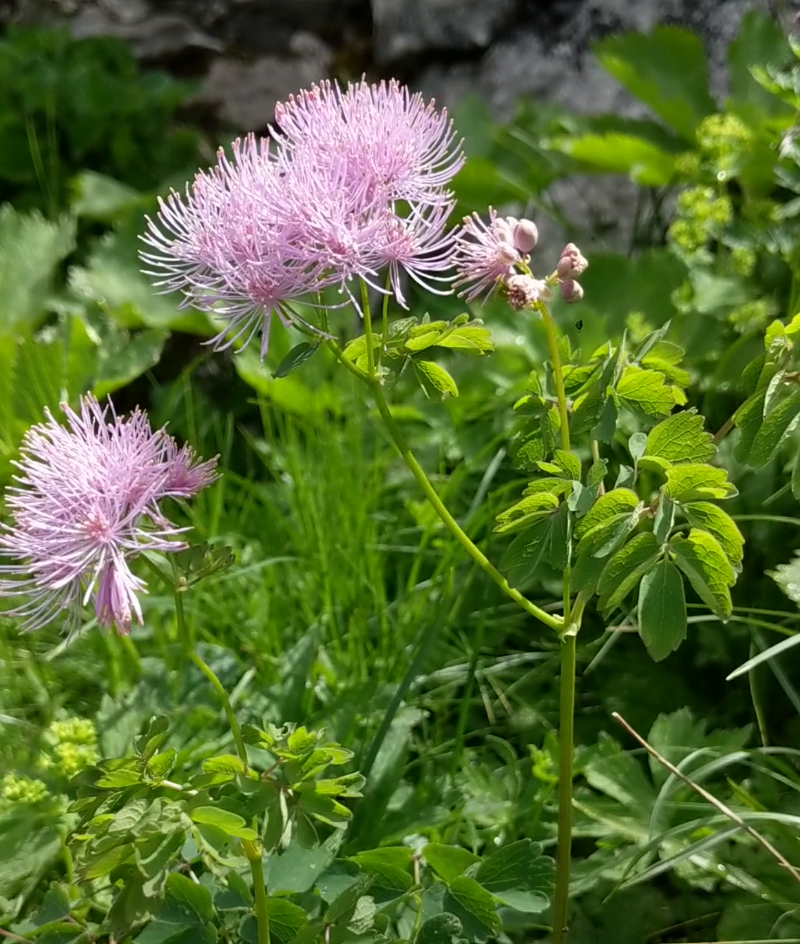
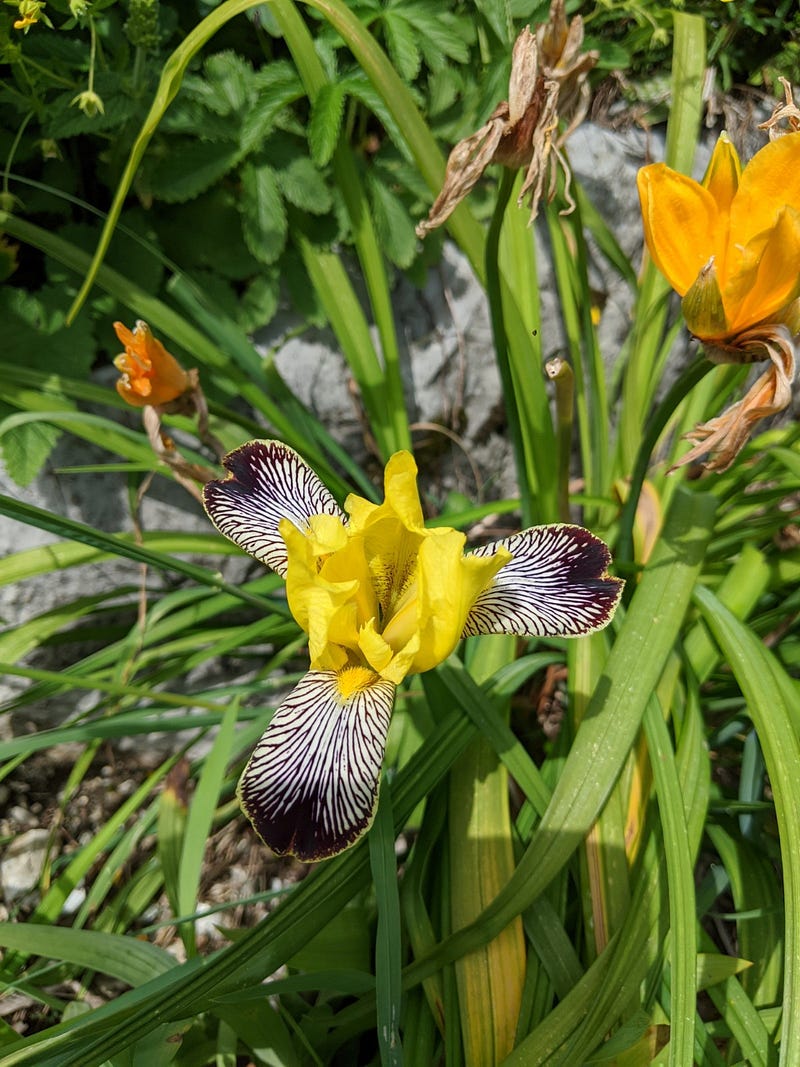
Talking with one of its keepers, he explained that La Rambertia was founded in 1896. It is part of an international network of aficionados that share seeds -because they cannot ship plants, of course. Each spring the association gets seeds for new species that add up to those that can reproduce or survive winters by themselves. “In winter there are 2 to 4 meters of snow right here, yet most plants survive because the temperature is not much lower than 0 degrees (Celsius) at the level of the ground. Then next spring most of them just grow again.” -he explains. To know more about the garden, visit its website.
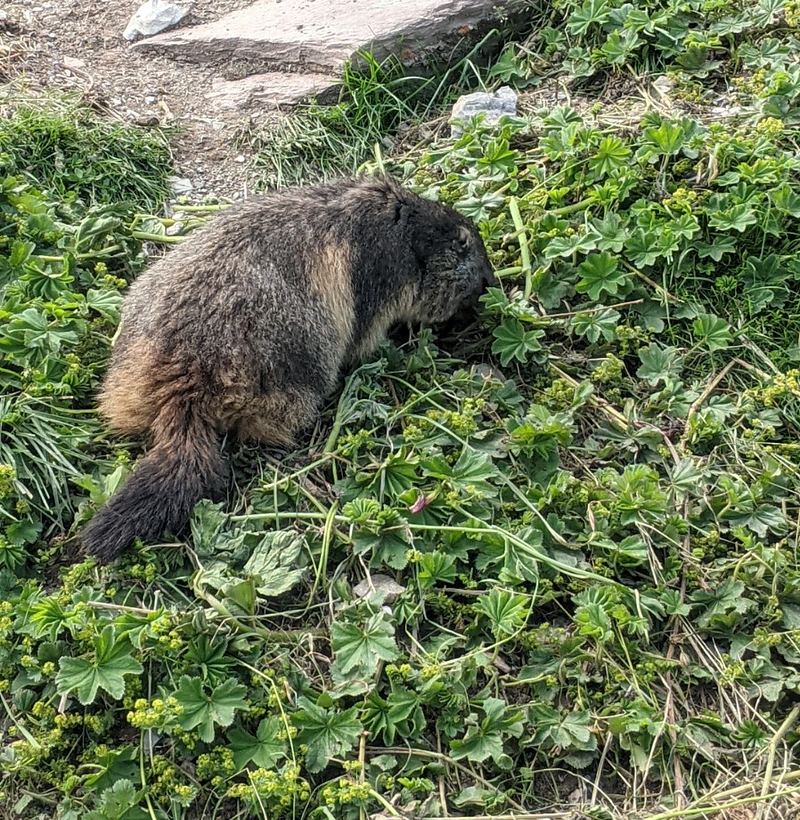
Bonus: Restaurant, marmot park, the alpine garden and even a train station at 2000 m.a.s.l.
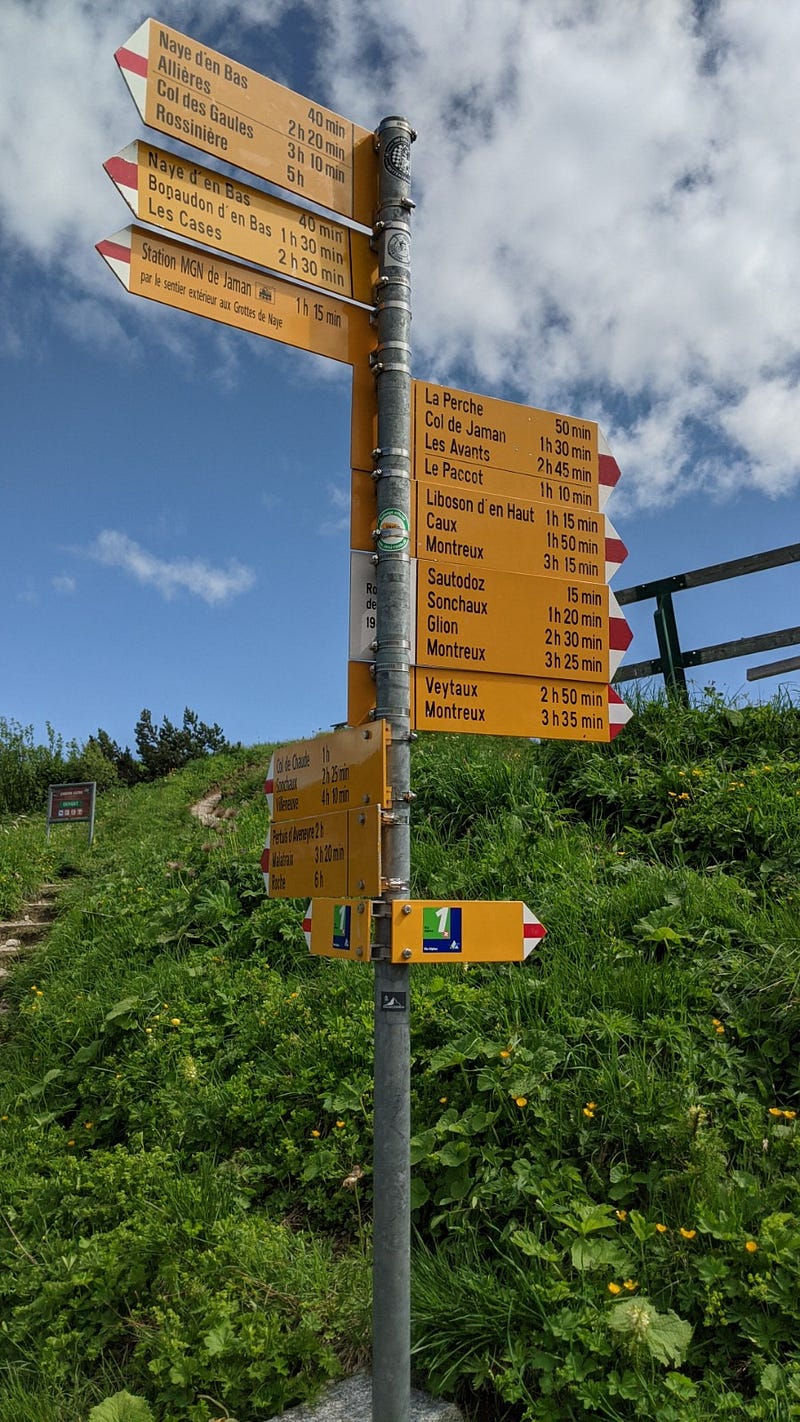
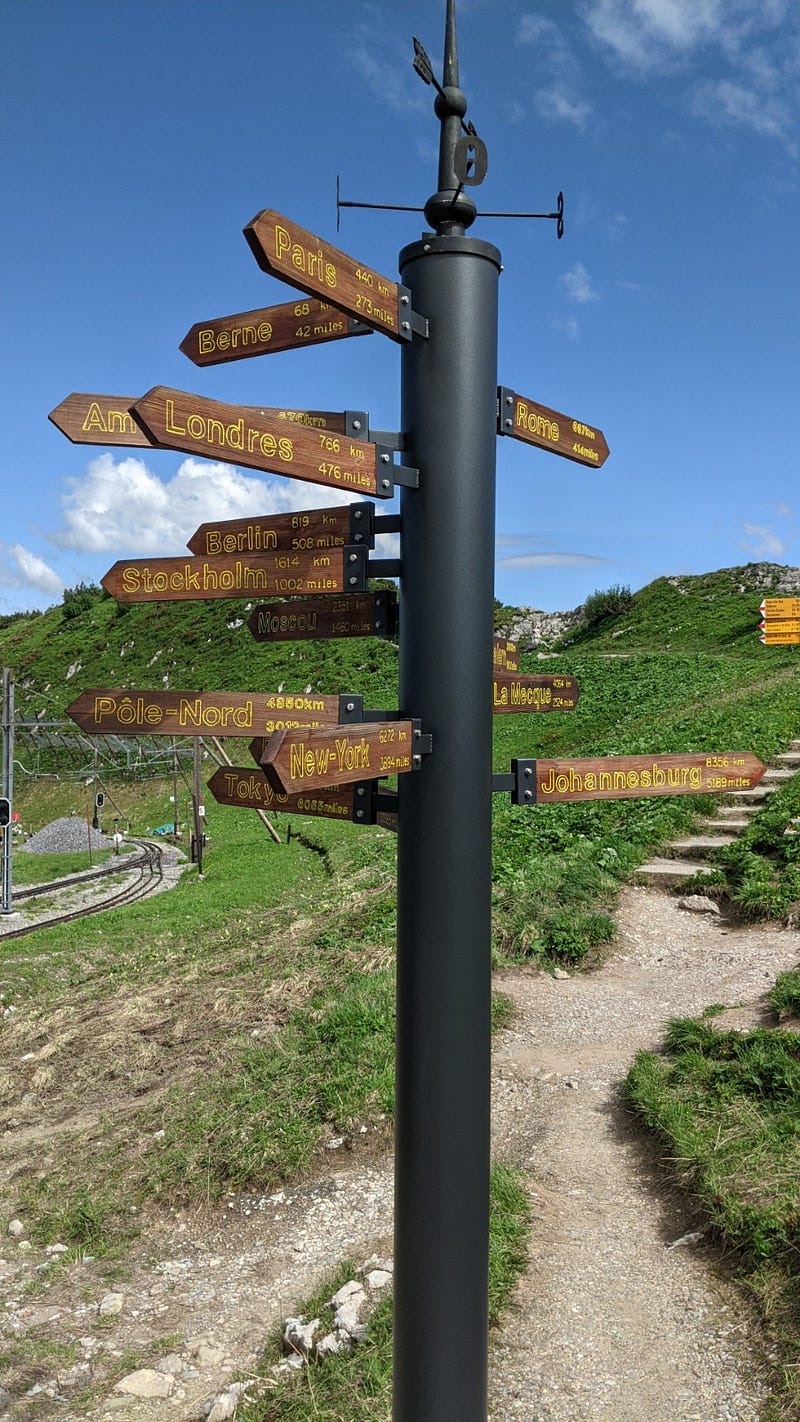
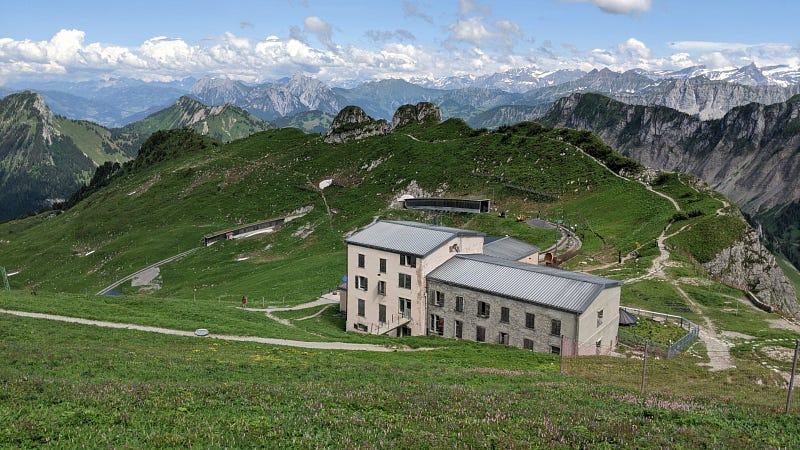
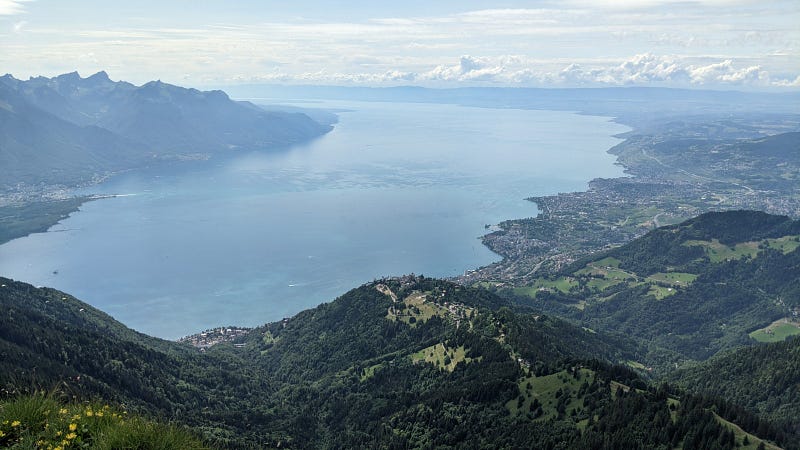
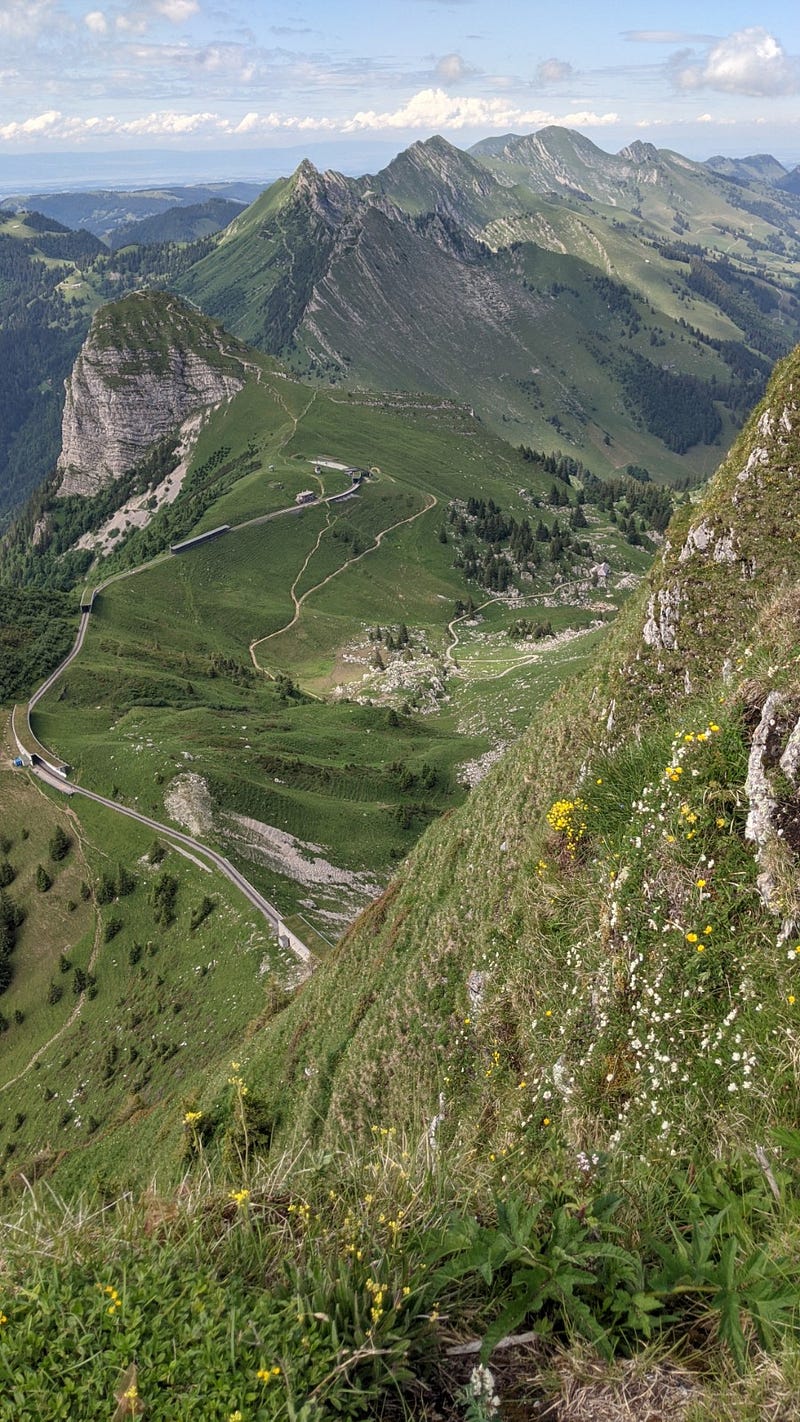
Rochers de Naye is an important tourist destination in Switzerland, especially because you can reach the summit entirely by train leaving from Montreux on the shores of Lake Leman. The ride is an experience in itself, with great views as you climb. At the final train stop, at 2042 m above sea level, there is a restaurant, a small park with marmots (not very nice, I prefer to see them in the wild!), the alpine garden just a 5-minute walk away, and the true summit of the mountain from where you get to see most of the lake easily appreciating its shape, and also other important mountains of the region.
About the train from Montreux to Rochers de Naye
I found the history of the train quite interesting. It is a cog train that first served the way from Glion to the summit, already from 1892. To get to the start of the train at Glion, travelers first had to get there with a funicular from Territet, close to the castle of Chillon. Then in 1909, the train connection from Montreux to Glion began operations, thus making the trip simpler and faster, right from the “big” city. The two trains were however operated by different companies until the merge in 1987. It is today one of the heritage railways of the country.
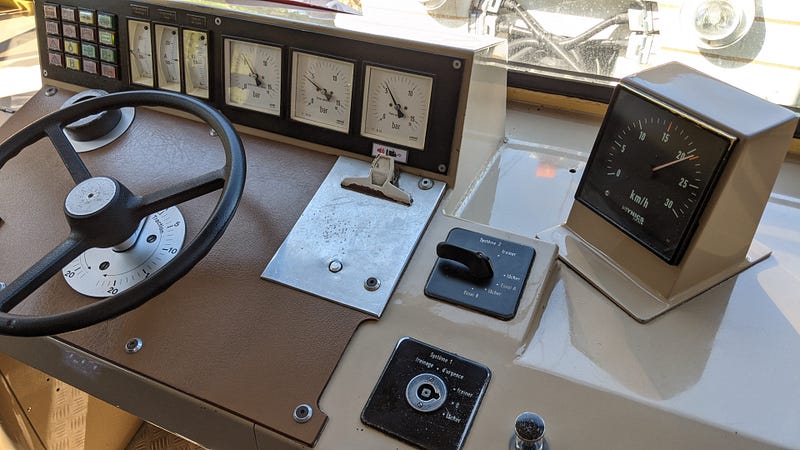
I finally share this photo of the console while the train was climbing. See the vintage-but-working gauges marking around 100 Amperes in the lines, 800 Volts, and a speed of 20 km/h which was as much as it seemed to go at least in this trip.
I am a nature, science, technology, programming, and DIY enthusiast. Biotechnologist and chemist, in the wet lab and in computers. I write about everything that lies within my broad sphere of interests. Check out my lists for more stories. Become a Medium member to access all stories by me and other writers, and subscribe to get my new stories by email (original affiliate links of the platform).


