avatarDark Energy Articles

Free AI web copilot to create summaries, insights and extended knowledge, download it at here

2590

Abstract

nt. They published the results of their research in the scientific journal “Matter.” They claim that their technology will allow obtaining nutritious and aromatic hybrid food. It is supposed to be a cheaper, alternative source of protein with a smaller carbon footprint than traditional beef.</p><p id="aef5">The term “hybrid food” until recently meant combining animal and plant products. For example, mixing cow’s milk and oat-based drink or making soy-meat patties. Koreans were the first to take this process to a new level.</p><p id="4ba0">Rice grains are porous. Their structure is a kind of scaffold on which researchers embedded cells taken from cows. Additionally, rice contains nutrients that growing animal tissue can benefit from.</p><p id="d6ed">The first step was to coat rice grains with fish gelatin. It’s a safe, edible ingredient that helps cells better adhere to rice. Cow muscle and fat stem cells were then sown on these prepared grains. The scholars then cultured them on a Petri dish for 9 to 11 days.</p><p id="27c0">As a result, beef rice, a hybrid, was created. Its main components meet food safety requirements. The risk of causing food allergies by it is low — emphasize the researchers.</p><figure id="8f3a"><img src="https://cdn-images-1.readmedium.com/v2/resize:fit:800/1*Ea5do0tOCrmqEDhudpjvXg.jpeg"><figcaption>[Photo by <a href="https://www.pexels.com/photo/close-up-photo-of-brown-cattle-on-green-grass-51311/">Pixabay</a>]</figcaption></figure><h1 id="cf7e">Lower costs and CO2 emissions</h1><blockquote id="2f9c"><p>“Imagine getting all the necessary nutrients from such grains. Rice itself has a high level of nutrients. Adding cells from farm animals can further increase it,” says Sohyeon Park, the lead author of the research.</p></blockquote><p id="6cb3">The scientists conducted culinary tests. They steamed beef rice and evaluated its nutritional value, aroma, and consistency. It had 8% more protein and 7% more fat than regular rice. It was also firmer and more brittle.</p><p id="1914">The hybrid product has a significantly smaller carbon footprint and manufacturing cost than natural beef. Producing 100 grams of protein this way is associated with emitting 6.27 kg of CO2. In the case of regular beef, this is as much as 49.89 kg of CO2. If hybrid rice is introduced to the market, it will cost only $2.23 per kilogram — more than six times less than beef.</p><h1 id="1994">Rice cultivation also burdens the environment</h1><p id="18c3">Before beef rice hits the market, further research will be necessary. Scientists want to create better c

Options

onditions for the development of animal tissues in rice grains.</p><blockquote id="aa39"><p>“I didn’t expect cow cells to grow so well in rice. This technology opens up a lot of possibilities. Hybrid rice can help fight hunger. Military food rations and even space food can be produced from it,” says Sohyeon Park.</p></blockquote><p id="d7e6">However, it’s worth remembering that rice production is also burdensome for the environment compared to other grains. It accounts for 12% of the total greenhouse gas emissions from the food sector. Rice cultivation in waterlogged areas is associated with significant methane emissions. Wheat, for example, has a carbon footprint twice as small.</p><p id="9410">A separate issue is the cultivation of animal cells under laboratory conditions. For this purpose, a nutrient containing fetal bovine serum albumin, obtained from the blood of calf fetuses, is most often used. So, it’s not a process that eliminates the use of animals.</p><div id="55a8" class="link-block"> <a href="https://readmedium.com/the-dark-side-of-dolphins-they-kidnap-rape-and-murder-other-dolphins-and-humans-393b4ab9ce69"> <div> <div> <h2>The dark side of dolphins —they kidnap, rape and murder other dolphins and humans.</h2> <div><h3>Dozens of cases of dolphins attacking humans are reported each year.</h3></div> <div><p>medium.com</p></div> </div> <div> <div style="background-image: url(https://miro.readmedium.com/v2/resize:fit:320/1*-ZGt-_cBedJpjLoiWpC2UQ.jpeg)"></div> </div> </div> </a> </div><h1 id="41ef">Attention all readers!</h1><p id="bb38"><b><i>As content creators on Medium.com, we face minimal compensation for our hard work. If you find value in my articles, please consider supporting me on my “<a href="https://www.buymeacoffee.com/oconnel">Buy Me a Coffee</a>” page. Your small contributions can make a big difference in fueling my passion for creating quality content. Thank you for your support!</i></b></p><figure id="1057"><img src="https://cdn-images-1.readmedium.com/v2/resize:fit:800/0*Pm9TOr-5svmNuuXB.png"><figcaption><a href="https://www.buymeacoffee.com/oconnel">https://www.buymeacoffee.com/oconnel</a></figcaption></figure><figure id="71ef"><img src="https://cdn-images-1.readmedium.com/v2/resize:fit:800/0*KJc52P2X8j4VSRWK.png"><figcaption><a href="https://www.buymeacoffee.com/oconnel">https://www.buymeacoffee.com/oconnel</a></figcaption></figure></article></body>

Koreans have produced meaty rice. It’s the first truly hybrid food.

How to reduce greenhouse gas emissions from agriculture? Scientists from Korea combined grains with muscle and fat cells. Thus, meaty rice was created.
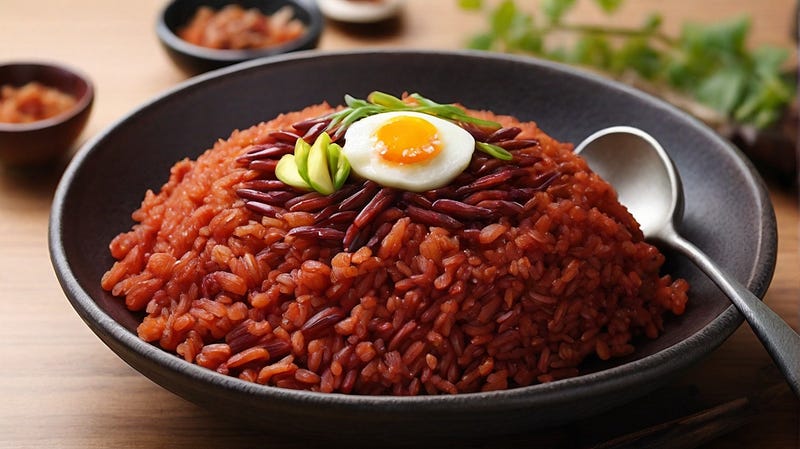
[Image generated by AI, Free to use]

The combination of rice and meat is often found in cuisine. Examples include Spanish paella, Italian risotto, Balkan stuffed peppers, or Asian fried rice. The latter dish, containing beef, is popular in South Korea.

Now, scientists from this country have taken it a step further. They managed to grow cow muscle and fat cells in rice grains. Thus, meaty rice was created, more specifically — beef rice. Is such hybrid food the future of nutrition?

Beef production burdens the environment

Humanity still has a huge appetite for meat. However, livestock farming is exceptionally costly. To obtain a kilogram of beef, one needs to “invest” several kilograms of feed. In the case of mass breeding, this is often grains such as corn or soy. This translates to a significant environmental burden.

Additionally, cows emit substantial amounts of methane during their lifetime — a very potent greenhouse gas. Producing a kilogram of beef also requires the consumption of up to 15,000 liters of water. Animal husbandry is currently also the largest producer of wastewater.

Traditional breeding means significant energy losses. Besides meat, cows also produce horns, hooves, hair, and other inedible elements. That’s why scientists have been trying to grow only muscle tissue under laboratory conditions for many years.

Scientists combined rice grains with animal cells

Following this path, scholars from Yonsei University in South Korea went. They published the results of their research in the scientific journal “Matter.” They claim that their technology will allow obtaining nutritious and aromatic hybrid food. It is supposed to be a cheaper, alternative source of protein with a smaller carbon footprint than traditional beef.

The term “hybrid food” until recently meant combining animal and plant products. For example, mixing cow’s milk and oat-based drink or making soy-meat patties. Koreans were the first to take this process to a new level.

Rice grains are porous. Their structure is a kind of scaffold on which researchers embedded cells taken from cows. Additionally, rice contains nutrients that growing animal tissue can benefit from.

The first step was to coat rice grains with fish gelatin. It’s a safe, edible ingredient that helps cells better adhere to rice. Cow muscle and fat stem cells were then sown on these prepared grains. The scholars then cultured them on a Petri dish for 9 to 11 days.

As a result, beef rice, a hybrid, was created. Its main components meet food safety requirements. The risk of causing food allergies by it is low — emphasize the researchers.
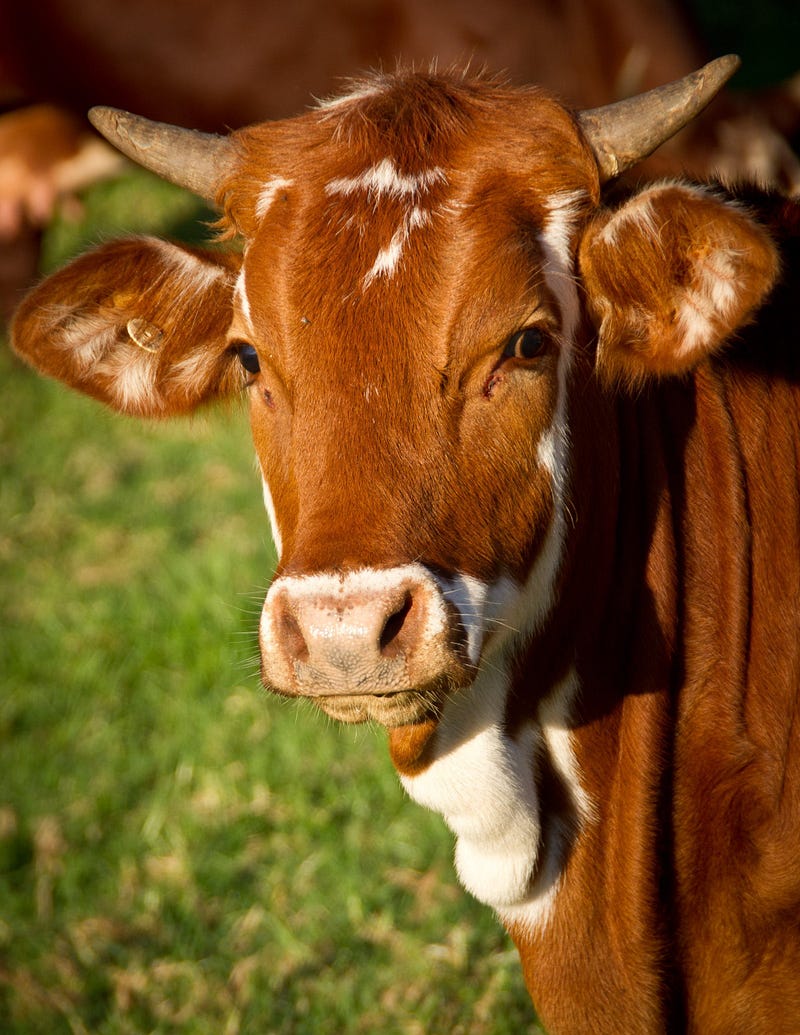
[Photo by Pixabay]

Lower costs and CO2 emissions

“Imagine getting all the necessary nutrients from such grains. Rice itself has a high level of nutrients. Adding cells from farm animals can further increase it,” says Sohyeon Park, the lead author of the research.

The scientists conducted culinary tests. They steamed beef rice and evaluated its nutritional value, aroma, and consistency. It had 8% more protein and 7% more fat than regular rice. It was also firmer and more brittle.

The hybrid product has a significantly smaller carbon footprint and manufacturing cost than natural beef. Producing 100 grams of protein this way is associated with emitting 6.27 kg of CO2. In the case of regular beef, this is as much as 49.89 kg of CO2. If hybrid rice is introduced to the market, it will cost only $2.23 per kilogram — more than six times less than beef.

Rice cultivation also burdens the environment

Before beef rice hits the market, further research will be necessary. Scientists want to create better conditions for the development of animal tissues in rice grains.

“I didn’t expect cow cells to grow so well in rice. This technology opens up a lot of possibilities. Hybrid rice can help fight hunger. Military food rations and even space food can be produced from it,” says Sohyeon Park.

However, it’s worth remembering that rice production is also burdensome for the environment compared to other grains. It accounts for 12% of the total greenhouse gas emissions from the food sector. Rice cultivation in waterlogged areas is associated with significant methane emissions. Wheat, for example, has a carbon footprint twice as small.

A separate issue is the cultivation of animal cells under laboratory conditions. For this purpose, a nutrient containing fetal bovine serum albumin, obtained from the blood of calf fetuses, is most often used. So, it’s not a process that eliminates the use of animals.

Attention all readers!

As content creators on Medium.com, we face minimal compensation for our hard work. If you find value in my articles, please consider supporting me on my “Buy Me a Coffee” page. Your small contributions can make a big difference in fueling my passion for creating quality content. Thank you for your support!

https://www.buymeacoffee.com/oconnel
Food
Science
Life
Climate Change
Rice
Recommended from ReadMedium