avatarZach

Free AI web copilot to create summaries, insights and extended knowledge, download it at here

2416

Abstract

“knowledgeable” about that subject or anything at all.</h2><p id="2b75">It seems to follow, that if becoming “truly knowledgeable” is an impossible task (<i>even for the greatest philosophers who ever lived</i>), then learning for the goal of becoming “knowledgeable”, before we allow ourselves to do something, in many cases, is an illogical goal.</p><figure id="bd2a"><img src="https://cdn-images-1.readmedium.com/v2/resize:fit:800/0*S-RJk5pUaZI9JJce"><figcaption>Photo by <a href="https://unsplash.com/@impatrickt?utm_source=medium&amp;utm_medium=referral">Patrick Tomasso</a> on <a href="https://unsplash.com?utm_source=medium&amp;utm_medium=referral">Unsplash</a></figcaption></figure><h2 id="e1c6">“Knowledge” is Acquired as an Unavoidable Byproduct of the “Will To Act”.</h2><blockquote id="853c"><p>“Give the pupils something to do, not something to learn; if the doing is of such a nature as to demand thinking; learning naturally results.” — John Dewey</p></blockquote><p id="7698">If we act in an attempt to do something enough times, the knowledge of how to do that thing will inevitably come to us through experience.</p><blockquote id="bdd3"><p>“The only way to learn how to write, is to write and write and write and write and write and write and write.” — Elbert Hubbard</p></blockquote><p id="5d4f">Our <b>willingness</b> and <b>eagerness</b> to <b>make mistakes</b> and our <b>ability to learn quickly from these mistakes</b> will determine how painful or pleasant the acquisition of that knowledge will be.</p><p id="e4b1">But knowledge will inevitably be acquired through our actions, one way or the other.</p><h2 id="19d5">We Learn and Retain Information More Effectively If We Are Learning by Doing.</h2><p id="e6e0">Information learned for the sake of acquiring knowledge has a far lower retention rate than when we learn for practical application for some specific purpose.</p><p id="e10b">Studies have shown that staying goal-oriented, keeping a practical application in mind, and executing some action related to what has recently been learned <a href="http://blog.whooosreading.org/improve-learning-retention/">increases memory retention in students</a>.</p><figure id="1489"><img src="https://cdn-images-1.readmedium.com/v2/resize:fit:800/0*nYbOumPgVYW67D0z"><figcaption>Photo by <a href="https://unsplash.com/@jeswinthomas?utm_source=medium&amp;utm_medium=referral">Jeswin Thomas</a> on

Options

<a href="https://unsplash.com?utm_source=medium&amp;utm_medium=referral">Unsplash</a></figcaption></figure><blockquote id="9233"><p>“Learning is an active process. We learn by doing. Only knowledge that is used sticks in your mind.” — Dale Carnegie</p></blockquote><h1 id="ee63">The ‘Will To Act’ is the True Source of Power.</h1><p id="c886">All of this is not to say that learning is bad, or that a desire for knowledge is not a good or necessary thing.</p><p id="9a64">A desire to learn and improve ourselves are some of the most important qualities we could ever possess as human beings.</p><p id="f2c9">Our society was created by dreamers, and we live in a world that they dared to imagine. We owe everything to those who have come before us, and to those who have sacrificed so much in the pursuit of knowledge and forward-thinking.</p><p id="3f5f">But, we must keep in mind the fact that <b>“Knowledge” is <i>only</i> a tool</b>.</p><p id="2822">It is whether we decide to <i>use</i> this tool in some constructive application that benefits others, that determines if “Knowledge” will amount to “Power” or not.</p><p id="b4b4">My hopeful purpose for these words is that if you find yourself currently stuck in a stagnant state of prolonged learning without action, that this will help motivate you to <i>share some of that knowledge</i> you have been accumulating <i>with the world</i>, through <i>action… some action… any action</i><b>today.</b></p><p id="8dbe">Our <i>focus</i> must be to T<b>AKE ACTION towards our goals</b>. Knowledge will always follow along as an unavoidable result of the <b>WILL TO ACT</b>.</p><p id="0726">Reading, analyzing, and contemplating alone will never be enough.</p><p id="8151">If we <b>want to be successful </b>at anything in life, then we must <b><i>DO</i></b>.</p><h2 id="bf85">We Must Slowly Build up the Habit of Taking Action Towards Our Goals Despite Our Lack of Knowledge.</h2><p id="0b4a">We must strengthen our resolve to</p><p id="0ef0"><b>START</b></p><h2 id="36d2">Right NOW</h2><h2 id="96cb">At This Very Moment.</h2><p id="0d21">With the full understanding that we will <b>never know enough</b> about whatever it is we are trying to accomplish until we have<b> tried and failed, over and over and over and over again.</b></p><blockquote id="4827"><p><b>The</b> <b>Only Source of Knowledge Is Experience”</b> — Einstein.</p></blockquote></article></body>

Knowledge Is NOT Power

In fact, in some cases, it can actually be disempowering.

Photo by Jake Lorefice on Unsplash

I couldn’t tell you how many times I was taught the phrase “Knowledge is Power” throughout my formal education and while growing up.

However, the truth is… Knowledge definitely does not guarantee power.

“I have been impressed with the urgency of doing. Knowing is not enough; we must apply. Being willing is not enough; we must do.” — Leonardo da Vinci
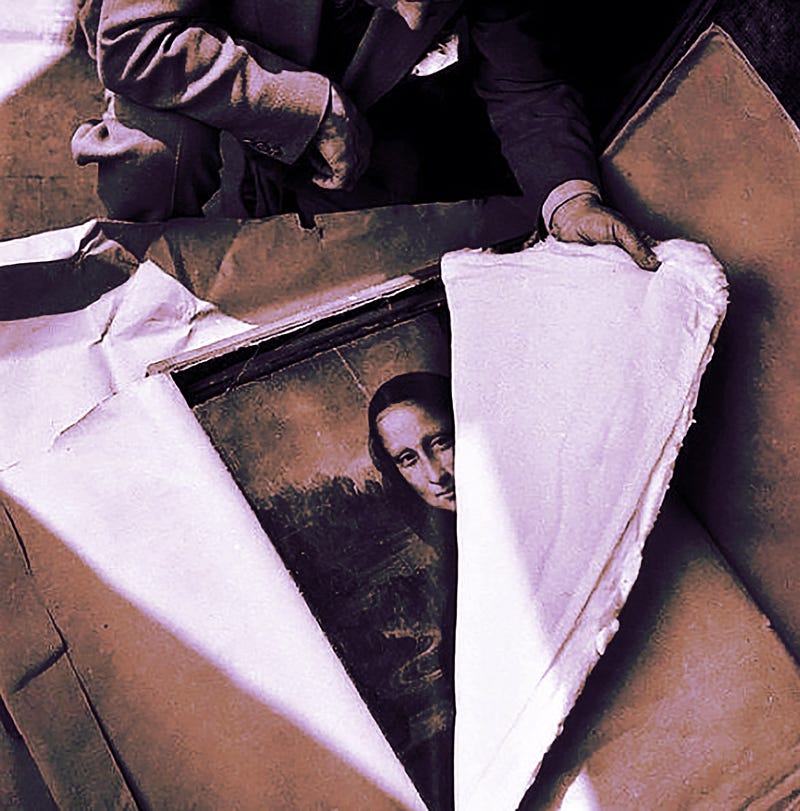
(Of The “Mona Lisa” by Leonardo Da Vinci) Photo by Dabbas on Unsplash

Lack of knowledge is one of the most common excuses people give when defending why they are not pursuing their dreams.

However, that you need to become extremely knowledgeable about something before you begin can crush your dreams faster than almost anything else.

“The best way of learning about anything is by doing.” — Richard Branson (CEO/ Owner of over 400 companies)

The pursuit of knowledge because of the misconception that we need to become “knowledgeable” before we can do something, inevitably leads down an endless circular path, as summarized by the Socratic Paradox — commonly phrased as:

“The only thing that I know, is that I know nothing.”

The fact that Leo Tolstoy states that the paradox above is: “the highest flight of human wisdom”, is very telling.

It shows that at the end of every attempt to become “knowledgeable”, comes an appreciation for the fact that:

No matter how much time we dedicate towards knowing something, we will never truly be “knowledgeable” about that subject or anything at all.

It seems to follow, that if becoming “truly knowledgeable” is an impossible task (even for the greatest philosophers who ever lived), then learning for the goal of becoming “knowledgeable”, before we allow ourselves to do something, in many cases, is an illogical goal.

Photo by Patrick Tomasso on Unsplash

“Knowledge” is Acquired as an Unavoidable Byproduct of the “Will To Act”.

“Give the pupils something to do, not something to learn; if the doing is of such a nature as to demand thinking; learning naturally results.” — John Dewey

If we act in an attempt to do something enough times, the knowledge of how to do that thing will inevitably come to us through experience.

“The only way to learn how to write, is to write and write and write and write and write and write and write.” — Elbert Hubbard

Our willingness and eagerness to make mistakes and our ability to learn quickly from these mistakes will determine how painful or pleasant the acquisition of that knowledge will be.

But knowledge will inevitably be acquired through our actions, one way or the other.

We Learn and Retain Information More Effectively If We Are Learning by Doing.

Information learned for the sake of acquiring knowledge has a far lower retention rate than when we learn for practical application for some specific purpose.

Studies have shown that staying goal-oriented, keeping a practical application in mind, and executing some action related to what has recently been learned increases memory retention in students.
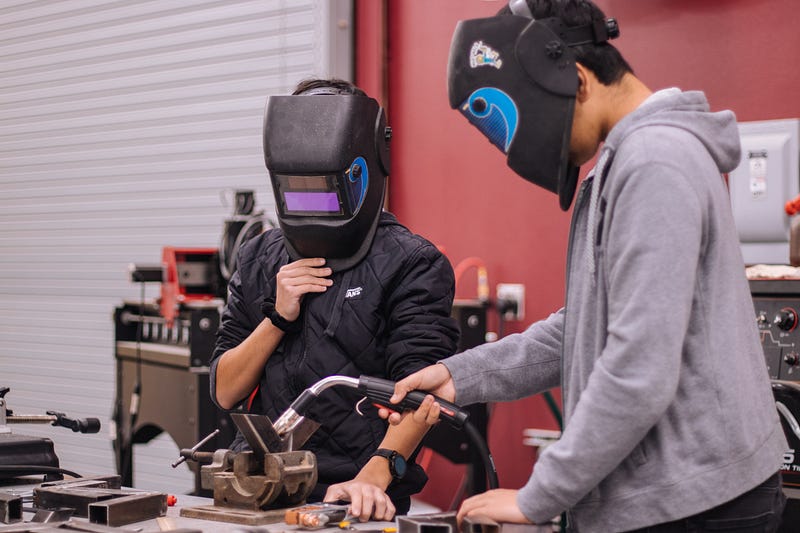
Photo by Jeswin Thomas on Unsplash

“Learning is an active process. We learn by doing. Only knowledge that is used sticks in your mind.” — Dale Carnegie

The ‘Will To Act’ is the True Source of Power.

All of this is not to say that learning is bad, or that a desire for knowledge is not a good or necessary thing.

A desire to learn and improve ourselves are some of the most important qualities we could ever possess as human beings.

Our society was created by dreamers, and we live in a world that they dared to imagine. We owe everything to those who have come before us, and to those who have sacrificed so much in the pursuit of knowledge and forward-thinking.

But, we must keep in mind the fact that “Knowledge” is only a tool.

It is whether we decide to use this tool in some constructive application that benefits others, that determines if “Knowledge” will amount to “Power” or not.

My hopeful purpose for these words is that if you find yourself currently stuck in a stagnant state of prolonged learning without action, that this will help motivate you to share some of that knowledge you have been accumulating with the world, through action… some action… any actiontoday.

Our focus must be to TAKE ACTION towards our goals. Knowledge will always follow along as an unavoidable result of the WILL TO ACT.

Reading, analyzing, and contemplating alone will never be enough.

If we want to be successful at anything in life, then we must DO.

We Must Slowly Build up the Habit of Taking Action Towards Our Goals Despite Our Lack of Knowledge.

We must strengthen our resolve to

START

Right NOW

At This Very Moment.

With the full understanding that we will never know enough about whatever it is we are trying to accomplish until we have tried and failed, over and over and over and over again.

The Only Source of Knowledge Is Experience” — Einstein.

Self Improvement
Growth
Self Development
Self
Mindset Shift
Recommended from ReadMedium