avatarAli Qutmiera

Summary

Understanding oneself is the foundation of wisdom, according to Aristotle, and is crucial for a fulfilling life.

Abstract

The article emphasizes the importance of self-knowledge, drawing on the philosophy of Aristotle, who believed that wisdom is practical and rooted in the proper exercise of reason. It argues that a healthy relationship with oneself is paramount, as it enables one to master their thoughts and emotions, leading to a happy and meaningful existence. The path to self-awareness involves introspection, challenging one's beliefs, and embracing experiences and suffering as means to deeper understanding. The journey is humbling and transformative, leading to the realization of one's place in the universe and the insignificance of individual knowledge in the grand scheme of things.

Opinions

  • Aristotle's view is highlighted, suggesting that wisdom is not just theoretical but also practical, and that self-knowledge is the cornerstone of virtue.
  • The article posits that without self-awareness, it's difficult for others to understand or connect with you.
  • Self-knowledge is described as empowering and liberating, allowing individuals to control their opinions, thoughts, and feelings.
  • It is argued that true self-mastery is the most significant achievement one can attain, shaping actions and life trajectory.
  • The article criticizes the tendency to be overly concerned with others, advocating for a focus on one's own individuality and mind.
  • The process of gaining self-knowledge includes reflection, experience, contemplation, and even suffering.
  • It suggests that one should challenge societal norms and engage in intellectual debates to expand self-awareness.
  • The journey to knowing oneself is seen as a humbling experience that diminishes any sense of entitlement and highlights the vastness of the universe in comparison to one's own knowledge.

Know Thyself

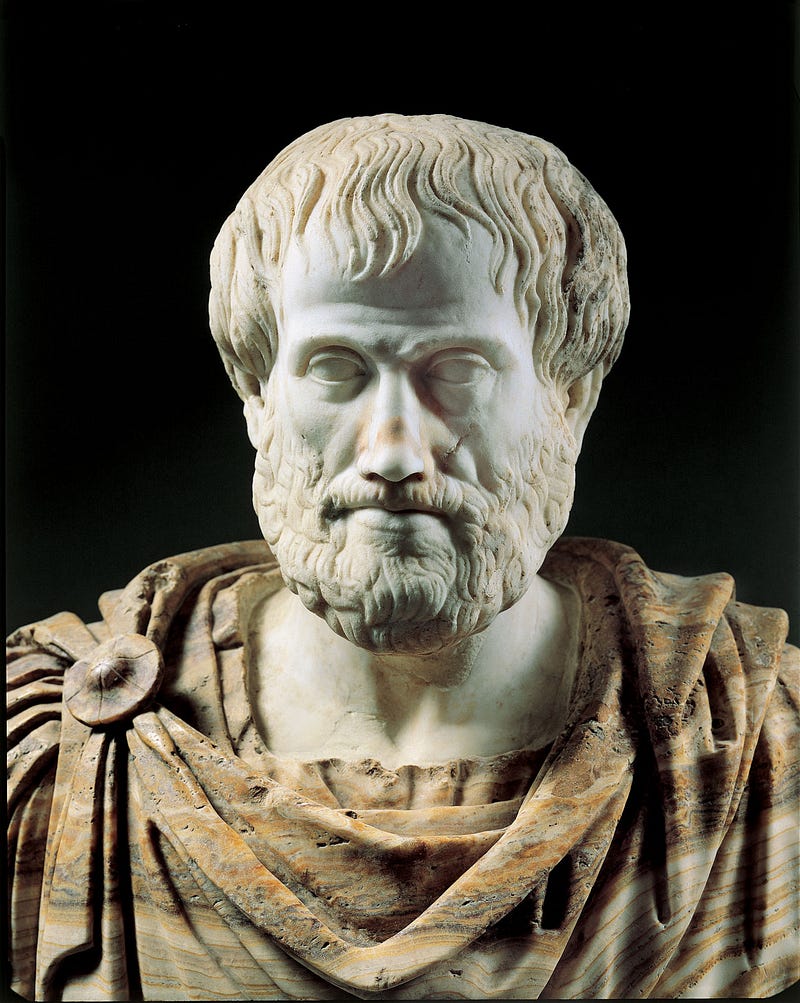
Public domain.

The great Aristotle, the man who made significant contributions to every aspect of human knowledge once said, “Knowing yourself is the beginning of all wisdom” and one would be foolish to disagree. Aristotle’s work revolves around the idea that wisdom is practical and not theoretical. He stressed that man is a rational animal, and that virtue comes with proper exercise of reason.

The relationship you have with yourself is one of the most important relationships you will create throughout your lifetime. Without a fruitful relationship with thyself, how can you expect others to understand or know you? The essence of a happy, fulfilling life begins with a proper understanding of who you are. Besides the empowerment and freedom that come with self-knowledge — it allows you to be the master of your opinions, thoughts, and feelings. True knowledge of the self is the most beautiful and useful accomplishment you will master in this life and will determine your actions and trajectory. Despite this, we oftentimes are infatuated with others, neglecting the beauty and individuality of our own minds. The sooner we embark on our journey of pure introspection — consciously examining and acknowledging our faults and weaknesses — the sooner we turn our weaknesses into strengths.

Increasing knowledge of the self requires reflection, distancing, experience, contemplation, and suffering. One must push their mind past perceivable limits by challenging conventional wisdom, debating for the sake of debating, and indulging in books regarding the human condition.

The journey is indeed a humbling one; by unearthing your innermost thoughts, one loses the sense of entitlement while realizing they are but a speck in the universe. One realizes how little they know about the world and how their accumulated knowledge amounts to nothing. Despite these fears, knowing thyself is the essence of reality and the start of the journey to wisdom.

Aristotle
Self
Self Knowledge
Introspection
Philosophy
Recommended from ReadMedium