
Kings of Kings
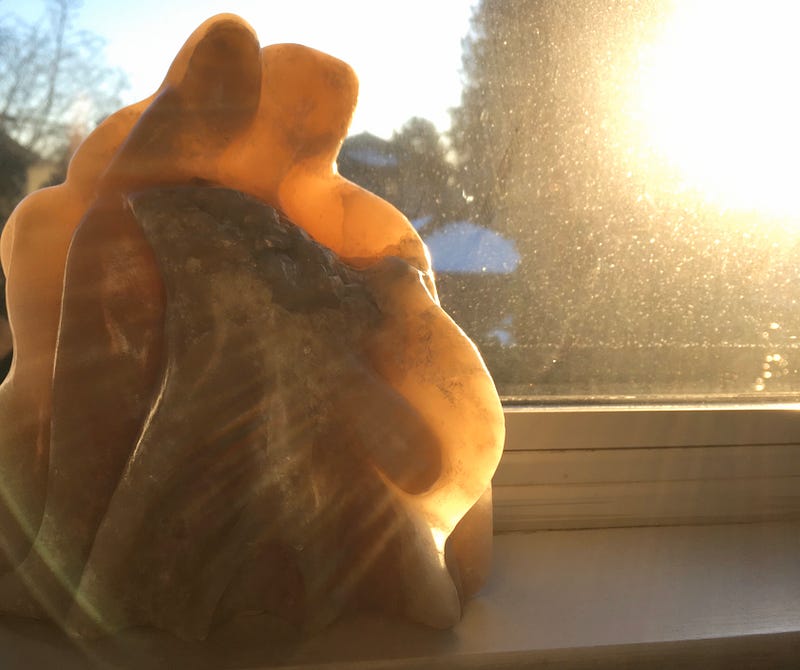
Rough-hewed alabaster
takes flight from flint,
as hammer to hooves.
Footings knee deep in The Nile,
the Child embraced by exile.
Summary
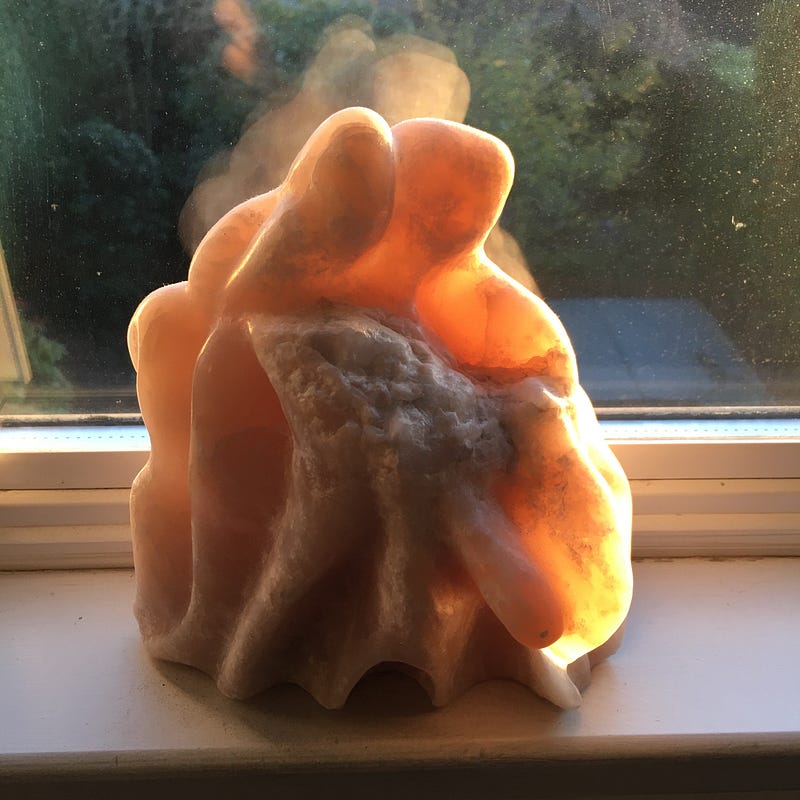
The website content reflects on the artistic and symbolic representation of a sculpture in alabaster by James Fletcher, capturing the essence of exile and heritage.
Abstract
The "Kings of Kings" piece, sculpted by James Fletcher, is depicted in a series of evocative images and poetic descriptions. The artwork is crafted from rough-hewed alabaster, which contrasts with the finesse of the sculpture's form, suggesting a transformation from raw material to refined art. The imagery of footings in the Nile and a child in exile evokes themes of origin, displacement, and the enduring legacy of cultural identity. The sculpture is presented as a powerful testament to the resilience of heritage against the backdrop of diaspora.
Opinions
Rough-hewed alabaster
takes flight from flint,
as hammer to hooves.
Footings knee deep in The Nile,
the Child embraced by exile.
 Dennis • M.Sc.
Growing up, I have lived with nearsightedness from the age of 12. Since then, for the better part of three decades, I needed glasses and…
 🥰Lanu Pitan🥰
Always look at life and people with eyes of amazement and love
 Naima Khachab
Not member yet! Here


