
Kids need to play outdoors
Sport doesn’t mean playing virtual games
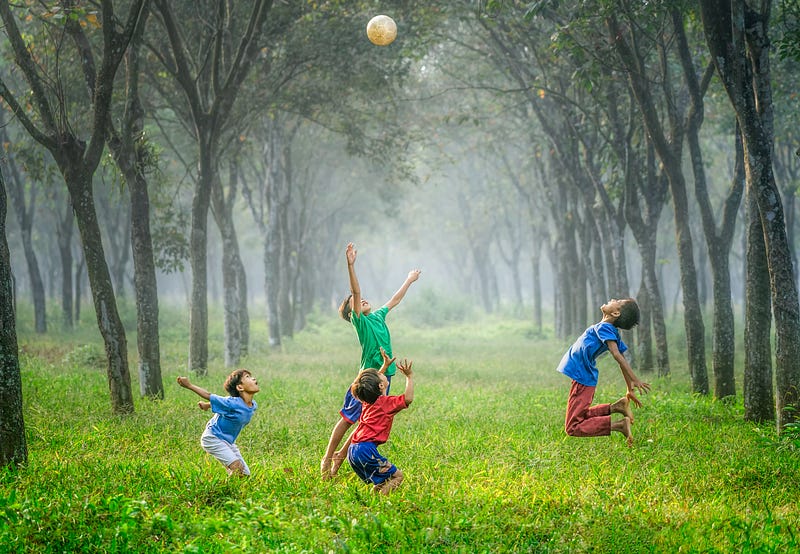
I happened to be at the restaurant last week, ordering food for myself as we welcomed 2024. I saw a kid, 6–7 years old, running around the restaurant; between his running and me waiting at the restaurant, our eyes met at times, each time our faces widening.
What’s your name? I asked; he replied, which was followed by school and which grade, and finally, “You play any sport? He blurted out a name, which I had never heard before. “What game is it?” I asked.
“ You don’t know that game. It’s the most downloaded game on the PlayStation store. Go, check it,” he sneered at me. I realised he wasn’t even talking about any outdoor game that allows you to move your hands, arms, or limbs or makes you sweat.
How did this happen? I thought sport was an activity that allows you to move your body or some form of active movement. You can swim, play badminton, cricket, football, or whatever game you enjoy, but confining yourself to a room, holding a gaming console, pressing buttons, and staring at a screen is not a sport.
The virtual world has taken over the real world, and parents are taking the easier way of giving the kids Playstations or any device that keeps them engaged and quiet for a few hours.
They don’t want to take their kids out to a park or a playground, nudging them to play. Maybe, they can play with their kids, a little exercise would help them be healthy.
Physical activity has benefits for children, as an article puts it: strengthens their bones, improves their coordination, balance, and posture, helps them maintain a healthy weight, boosts their immune systems, and keeps Noncommunicable diseases (NCD) away.
Spending too much time with devices is neither good for adults nor kids is what needs to be understood.


