
Kids and Handling Fears in a Time of a Pandemic
Kids and Coronavirus

Fear is one of the most potent emotions that affect both our physical and mental health. For children, anxiety affects them at their most vulnerable when they are learning about life and themselves. What does the fear of a pandemic do to them?
A child’s world is full of dangers, real and imaginary, that many adults forget they ever experienced. Most childhood fears are normal, temporary, and eventually outgrown, but studies still show that anxiety disorders are among the most common childhood psychiatric conditions.
If a child’s world is full of fears, naturally, the unnatural and excessive worries brought on by a pandemic requires special attention. If not adequately attended to, concerns produced by the pandemic can result in GAD (Generalized Anxiety Disorder), social phobia or social anxiety disorder, OCD (Obsessive-Compulsive Disorder), panic disorder, separation anxiety, simple phobia, and PTSD (Post-Traumatic Stress Disorder). The anxiety disorders and their emerging symptoms require serious consideration to avoid lifelong consequences.
With regard to PTSD, the symptoms may not be appropriately viewed, and misdiagnosis is a problem.

Because children who have experienced traumatic stress may seem restless, fidgety, or have trouble paying attention and staying organized, the symptoms of traumatic stress can be confused with symptoms of attention-deficit/hyperactivity disorder (ADHD).
Potential Consequences of Fear in Children
Children’s routines, as well as that of their families, have been turned upside down. The stability that once existed is no longer present. School sessions are scrambled or no longer exist. Parents are in the home more than usual and, perhaps, the babysitter has disappeared.
Playdates are no longer the activities that had become a part of children’s lives, and they are left wondering. Routines help build a sense of security, and they no longer are assured as another one of the once-reliable routines in children’s lives has disappeared.
The disruption of stability is what increases the fear inherent in this time, and it is here that children require both guidance and reassurance. It is a time when children look to adults not only for verbal soothing but behavioral signs of fear or strength. The unspoken may be more telling than the words used.
Obviously, this is more about preschoolers than infants and toddlers, but you need to have an explanation for why you can’t go on the swings or visit Grandma, or why you have to do a Zoom meeting instead of playing with blocks. Tell them that there is a germ that can make some of us sick, and we want to be sure that we don’t catch it or give it to someone else without realizing it.
Science shows that exposure to circumstances that produce persistent fear and chronic anxiety can have lifelong consequences by disrupting the developing architecture of the brain.
Now is the time to ensure that a child is protected, as much as possible, from these lifelong developmental and emotional disorders. Learning begins at birth, and even infants are attuned to the emotional environment surrounding them. They react in kind, and it is then that comforting is necessitated.
It has been suggeste4 that the global impact of COVID‐19 is likely to last for several years. Our lives need to adapt to changed social circumstances, and this could result in pathological habituation, ongoing anxiety and delusional ideas. Children could suffer post‐traumatic stress disorders that adversely affect developmental processes, personal growth and cognitive factors, such as concentration and reduced motivation to achieve goals.
The world is not a dangerous place for a child if they are appropriately prepared for change, and if that change is placed in a healthier perspective. Helping children understand that change is a normal part of life may be challenging during a pandemic, but the world of the future may require more flexibility than we realize. Children can be emotionally inoculated in preparation for this and develop the needed resilience to meet it.
Important Steps to Take
Many steps can be taken by caregivers to help children cope with the fear that a pandemic fosters. These include:
- Talking to them about the virus and the steps that need to be taken as precautionary measures. Masks need not be frightening and can be playful as well as practical as when children wear masks for parties or special events. Be sure to use words the child can easily understand, and that are not frightening.
- Be available to answer their questions reasonably with reassurance.
- Limit the amount of social media that may perpetuate fear and instead encourage helpful activities, even video games that require attention and skill development.
- Discuss the needed measures such as social distancing (and why), hand washing, and wearing a mask. The question of social distancing will, assuredly, be difficult for kids who like to have physical contact in sports and play, but explain why it’s essential.
- Set a good example at home so that children will see all these activities are for adults, too.
- Spend more time with children in enjoyable activities, games, and storytelling.
- Familiarize yourself with resources on children’s coping that the CDC (Centers for Disease Control) has on their website.
Considering Therapy If Needed
Despite anyone’s best efforts, some children may need professional help. In an accepting atmosphere and an activity designed to be therapeutic, they can develop better-coping skills. Consider the following:
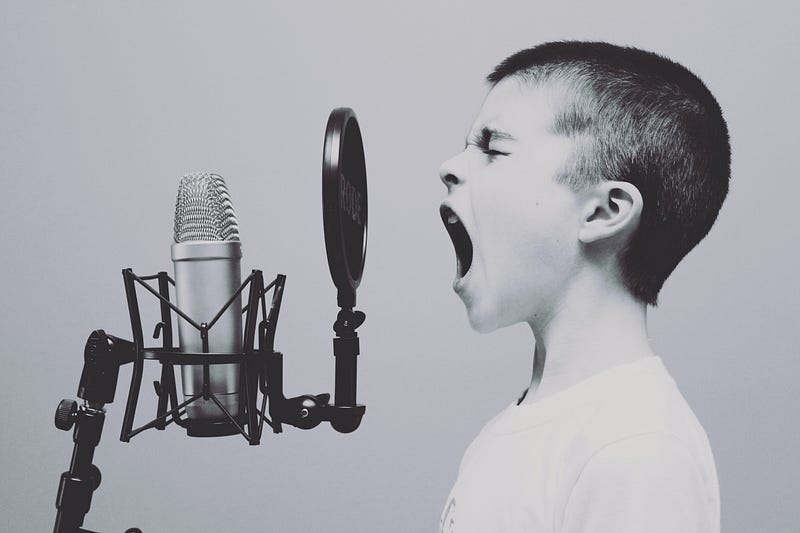
Music Therapy
There is some medical evidence that music has a positive influence on the immune system, which has direct implications for life during the pandemic. Experiences in other medical disciplines suggest that even being aware that this can work can boost the immune system. Singing therapy is already used to improve respiratory issues, like asthma, and this could alleviate symptoms if children are infected and experience breathing issues.
Not only can music be a soothing activity, but it also provides a distraction from fearful ideas and aids, again, in skill development. In addition to the psychological benefits, there are physical ones, as well.
Art Therapy
The University of California, Davis campus, has developed a Zoom program to deliver art therapy to children during the pandemic. Intended for inpatient use, this program has the potential to reach children in their homes, too.
The staff at the hospital also hosts a Friday, 3 pm Facebook event for their Creative Arts Therapy Team.
The benefits of art therapy are many, but one is that it doesn’t require words and allows the mind to speak through the hands. This imaginative use of children’s abilities is the power of art therapy.
Art…can teach us things that science and maths cannot, it can teach us that problems can have more than one answer, that small changes can have large effects, and that through art we can say things that are inexpressible in words.
Play Therapy
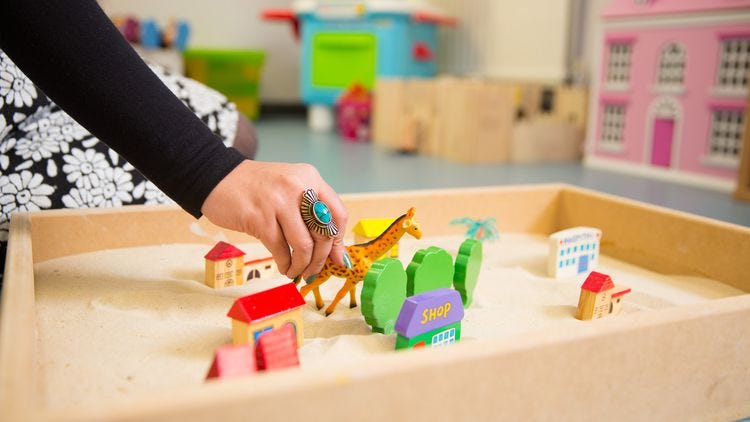
Play therapy is especially useful in younger children and used in a variety of situations. The effortless activity frees the child from restricting their expressions of anxiety or fear in an activity of their own making.
Therapeutic play helps children with social or emotional deficits learn to communicate better, change their behavior, develop problem-solving skills, and relate to others in positive ways. It is appropriate for children undergoing or witnessing stressful events in their lives, such as a serious illness or hospitalization, domestic violence, abuse, trauma, a family crisis, or an upsetting change in their environment.
The world we knew and in which we grew up may no longer exist; that reality must be accepted. Therefore, the children who are growing up during this expectedly long-enduring pandemic will need to be prepared for many unknowns. It is up to the adults and the professionals to begin to prepare them to become self-reliant adults in the ever-changing world to come.