
Kick Off Better Conversations With These 8 Football-Inspired Tips
Because some discussions could use a referee
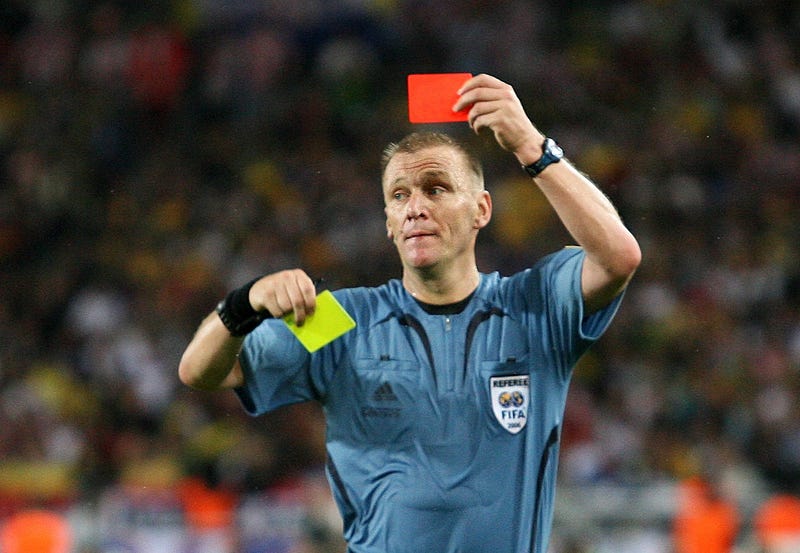
Imagine this…
A football match statistics chart floating on top of someone’s head like a hologram, analyzing the dynamics of a group of people.
Genius, right?
Just think about it: ball possession statistics, except for conversations.
Like a percentage of how long someone spends monologuing about their pets and all the cute things they’ve done since 2014.
The thing is, this could actually be useful for many reasons. And also slightly terrible for others, but mainly, it would be interesting.
We’ve all been in social situations where the dynamics are skewed or just off. This could help make sure the game — or conversation— ran smoothly, or at least, “fairly”.
Possession
We all either know this person, have met this person, or are this person. The one who hogs the conversation. The one who, quite frankly, does not know how to shut it.
I remember being among a group of people once and imagining a percentage graphic above a particular person's head reading “89% conversation possession”.
It’s not just that they’re extra talkative, it’s that they don’t know how to listen. They hoard the ball (or spotlight) for as long as they can hold onto it, and unless someone else comes for it, they will keep possessing it vehemently. They are in it to win it.
Attempts
This one comes up particularly when there is an ill distribution of possession during a conversation.
Let’s say Julie is out with her girlfriends, and she is hoarding the conversation.
She’s been going on and on about how Drew from accounting made a snarky comment during a meeting and now she is overanalyzing his every breath only to conclude that Drew is a terrible man, and thus, so are all other men.
Also, Drew never called her back. Will he ever call back?
The problem isn’t that Julie is talking about Drew, the uninterested accountant. The problem is that she’s been going on about it for 30 minutes now on a loop, and every time someone ATTEMPTS to intervene with a similar anti-men anecdote she shuts them down and brings up Drew again.
By the end of the night, the attempts are revealed: 78. It’s difficult to say who won.
On Target
There’s always that player who’s dead on target with their contributions. They’re like the striker who never misses the goal. The one with laser focus on the discussion who doesn’t waste their time doing bicycle kicks when a simple pass would do.
These people are like the defenders of conversation sanity, ensuring every comment is in line with the topic at hand. They may come off a bit direct, you could say. A little in your face, and literal maybe.
They definitely don’t ramble, yet their efficiency and inflexibility for small talk may be better suited for business meetings than deep meaningful talks. Still, listening to them is like watching a masterful free-kick — precise, on point, and always in the top corner of the net.
Corners
For every on-target person in a group conversation, you’re probably going to be met with at least one off-target counterpart. The person who kicks the conversation out of left field, whether intentionally or accidentally.
There you were, lost in a hot discussion about the dire state of the world when Peter comes in with a comment about how he saw a really cool keyboard online that he wanted to buy.
In an animated chat, think of the “corners” as the skilled midfielders who pass the ball to keep the conversation moving in the right direction.
Just like a corner kick in football can bring the ball back into play, these individuals make sure the conversation doesn’t stray into the faces of fans or other hovering objects in the bleachers.
They’re the glue that holds the team in place. So when the dialogue takes an unexpected turn, these guys are quick to step in and redirect it with a gentle pass, keeping the goal in sight.
Sorry Peter, no one cares about the cool keyboard right now.
Offsides
Just like in football, there is always that one person that needs to keep themselves in check. The one most likely to spoil the ending of a show, or skip to the chase.
The one who thinks they know how the whole conversation is going to go and are impatient to wait for everyone to get there.
Sometimes, they keep their cool. They stay quiet and don’t rush ahead to score that solo goal but hang back waiting for their teammates to catch up. They understand that the goal is sweeter when it’s a team effort and that it’s not about the point of the conversation (or the goal) but about how you get there together.
Kumbaya.
But other folks are really just impatient. They skip ahead. They get bored, and they ruin the fun for everyone. Or maybe they are just overly eager and accidentally blurt out too much.
Passes
Passing the ball is like passing the rainstick. Everyone should get a fair chance to speak, right?
Right…
But just like in football, in conversations, you also get one of two kinds of players. The one that doesn’t pass (the ball possesser we mentioned already) and, surprise surprise, the one that passes too much.
Yes, that is a thing.
Imagine “passes” as the midfielders who expertly distribute the ball. They’re the maestros, ensuring that everyone gets a chance to play and score. Just like these fair midfielders orchestrating passes to teammates, they maintain the flow of conversation by involving others.
But some of these well-intentioned midfielders pass the ball too much. Some people don’t want to be involved and feel put on the spot, and other people have nothing to say.
So sometimes, you just have to take the ball, make the shot, and not pass the potato.
Fouls Committed
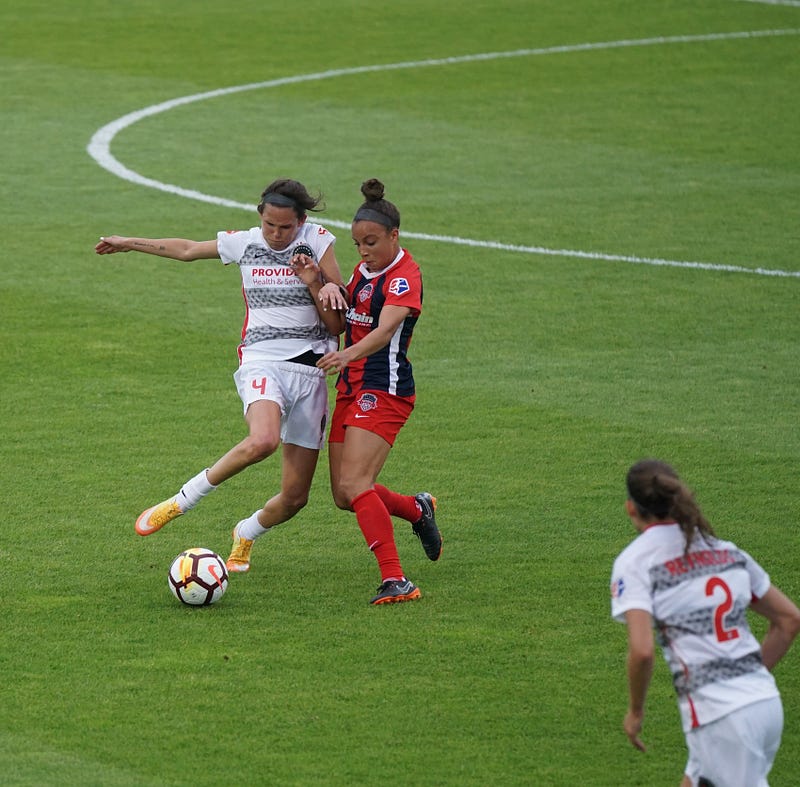
Sometimes in conversations, you’ll encounter players who commit “fouls” as if they’re auditioning for a role in a football villain squad. They might foul the discussion by dominating, interrupting, or being downright disrespectful.
These fouls disrupt the match, just like an overly aggressive tackle can ruin the flow of a game. They are uncalled for and show poor self-management skills, particularly if they are committed when you are “losing” the argument.
So, recognizing these fouls is crucial for maintaining a harmonious conversation because nobody wants to end up with a penalty kick in a friendly chat.
Yellow Cards
Yellow cards in conversations are like getting a wide-eyed look after you say something controversial a little too liberally, but not deliberately.
It’s the slightly insensitive comment or perspective on a hot topic. You’re walking on thin ice, but you’re not exactly canceled just yet… It’s a warning that you’re one step away from being booked into the conversational penalty box.
The yellow card is like a referee saying, “Slow down, buddy. One more loose tongue comment like that, and you’re sitting on the sidelines.” It’s that moment when someone realizes they need to adjust their game to avoid being substituted out of the conversation.
Red Cards
When things take a truly chaotic turn in a conversation, a “red card” might be the only way to maintain some semblance of order. It’s like being sent off the field, and the conversation referee is signaling that you’ve crossed the line and your behavior is no longer acceptable.
Red cards are the last resort to maintain a friendly, enjoyable conversation. If you’re going to be deliberately intolerant, rude, mean, or utterly obnoxious, you’re probably going to get full-on canceled from the conversation.
Either people are getting up to leave, or you’re going home, Penny.
Final Score
All these statistics are calculated at the end of your social interaction. The results are appalling. You need to redistribute the players for the next game. These tactics are just not working.
And Penny has got to go.
All jokes aside, it is interesting to see how conversations flow just like sports. But unlike in sports, we often have no mediators in conversations. Conversations that can sometimes get out of hand.
So maybe football stats could help us to keep the game in check. To keep things fair and flowing.
We should all be winning after all.


