
Key Challenges to Cultivating Cultural and Racial Understanding in Classroom Dynamics
By Kyla Still and Dr. Benjamin M. Drury
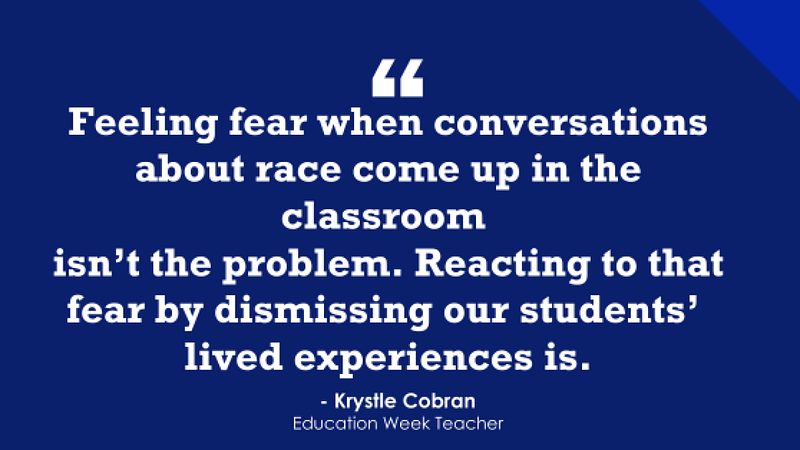
Most educators in Chicago Public Schools are white and most students in their classrooms are not. On the surface, why would this be a problem? After all, aren’t teachers supposed to treat all students the same? Cultural and racial understanding within classrooms can pose a significant challenge for teachers.
Validating the cultural identity of your students can fundamentally shift the interaction in the classroom and other spaces on campus.
Hurdles can often be attributed to entrenched bad habits or a lack of awareness among educators. The importance of addressing these issues cannot be overstated, as they directly impact the educational experience of students.
One key aspect of this challenge is the use of stereotypes in profiling students’ abilities. For example, educators may mistakenly believe that students of certain racial or cultural backgrounds are predisposed to excel in particular subjects, while struggling in others. Taking a narrow-minded approach not only limits students’ potential but also perpetuates harmful biases. To effectively address these challenges, educators must adopt a more open-minded and individualized approach to instruction.
By recognizing and valuing each student’s unique background and abilities, teachers can create a more inclusive learning environment that encourages students to explore and excel in diverse areas.
Cultural and racial understanding within classrooms can be a large hurdle for some teachers to overcome. This can be linked to bad habits or a lack of awareness that an educator may have. This shows how important it is to ensure such heavy topics are considered. One example is how important it is to be aware when people in the education system are using stereotypes to profile what a student may be able to achieve.
Teacher expectations steer grading and learning outcomes for students by predetermining the level of growth their student will achieve. This means that a teacher might believe that a student of a certain racial group may have an easier time understanding one topic while another could struggle based on where that student may have descended from.
Acknowledging our intersectional identity is important as educators. We must be intentional with who we identity as and think about how those identities and meanings can (and will) shape interactions with our peers, colleagues, and above all…our students.