
Keeping The Lungs Of Our Planet Healthy: How To Manage Forests
6 ways to keep forests healthy
Credit: This article is based on the scientific article “The effect of forest management options on forest resilience to pathogens” by Michaela Roberts, Chris Gilligan, Adam Kleczkowski, Nicholas Hanley, Elizabeth Whalley, and John Healey (Full citation and link available at the end of the article)
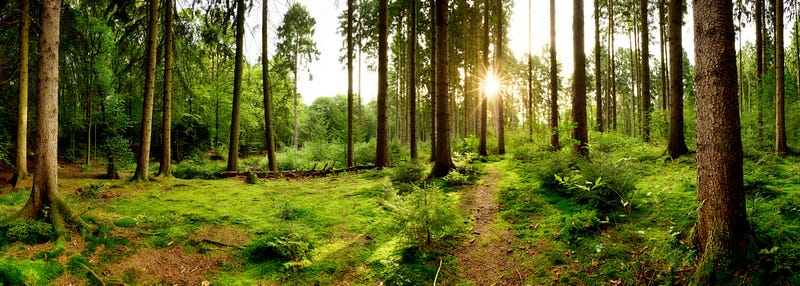
Forests are maybe more important to us than we realize. This is because they benefit the ecosystem and other organisms in many different ways. Forests are for example called the lungs of our planet, because they clean the air we breath. They also filter the water we drink, prevent erosion, and help capturing and storing CO2, which helps reduce global warming. And they are large homes and natural refuges for many different types of plants and animals. Some of these plants are medicinally important to us. And forests contain many natural resources, such as timber, that help local communities to thrive.
These benefits exist, independent of whether forests grow naturally or are grown by humans, for example for commercial purposes. But they don’t only have the same benefits, they also share risks. Whereas only natural forests are at a risk due to for example cutting trees, urban development, and poaching, both natural and man-grown forests are threatened by natural threats that negatively impact the trees’ health.
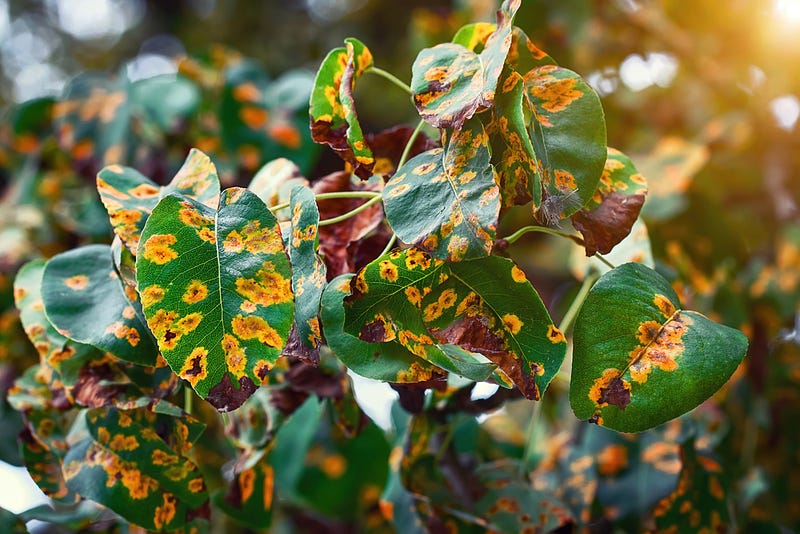
One of these natural threats are plant diseases caused by microorganisms. Microorganisms include bacteria, fungi, viruses, and microscopic worms. Most of these harmful organisms are invasive species. Invasive means that they are not naturally living in these areas, often grow fast, are difficult to control, and harm plants. But as these microorganisms are so small and their presence is often hidden from view until they cause major damage, controlling them is a challenge. This is similar to cancer cells: in the beginning we don’t realize they are there until they have already done major damage. Also, as different microorganisms can cause the same symptoms, recognizing the cause is not always easy.
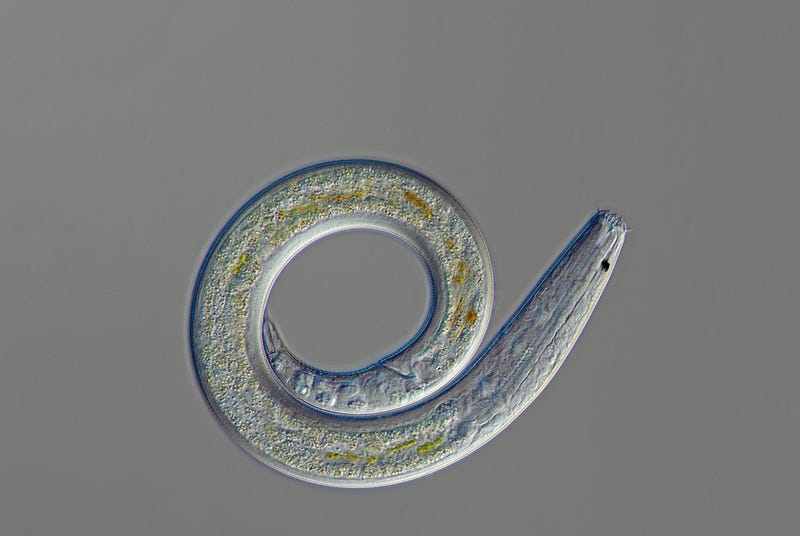
As harmful microorganisms are often noticed late and different microorganisms cause the same symptoms, it is important to identify early on which species causes the harm. This is possible by looking at the reproductive structures of the organisms, such as spores. Also, for even more reliability, the genetic make-up can be identified with their DNA. This identification should be part of forest management practices, so that spreading can be prevented.
Forest management practices are also important to find out whether the infection is primary or secondary. Primary infection is when the plant is affected by a harmful microorganism for the first time. Secondary infection is when the plant has been affected before. This is important to know, as primary infections show that a new harmful microorganism has entered the forest.
Luckily, primary and secondary infections can often be prevented by proper forest management. This is how forest management can keep forests healthy:
1. Site preparation
The first method to keep forests healthy is correct site preparation. Site preparation involves all earthwork done to prepare and maintain the forest. When such site preparation is done wrong, harmful microorganisms can stay or new ones are added.
For example, when a tree is cut down because of illness, the remaining tree stump and roots should be removed, so that no harmful microorganisms and their spores are left behind. This can be done using mechanical methods such as raking, or chemical methods. Plant leftovers can also be burned, but this also causes damage to other plants and animals. The positive effects of stump removal can be seen up to 21 to 50 years after taking action!
Another example of site preparation is using fertilizers. In some cases, this is helpful to prevent tree illness, as more tree nutrients reduce the impact of harmful organisms.
2. Plant diversity
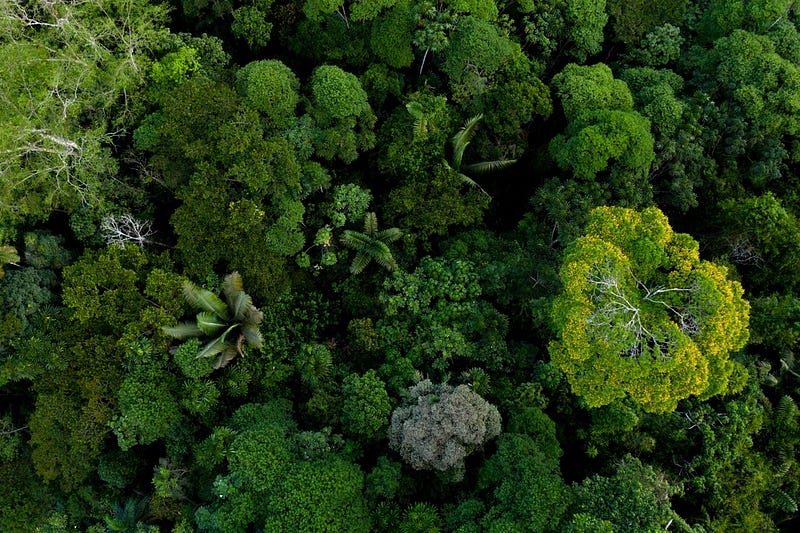
The second method to keep forests healthy is increasing plant diversity. Plant diversity is higher in a mixed culture than in a monoculture, because a mixed culture contains two or more plant species and a monoculture only one. Increasing the diversity can happen naturally, but also done on purpose by planting different species. When done on purpose, it is important to make sure the selected plants are not suitable alternatives for the harmful microorganisms.
Plant diversity protects a forest against diseases as:
- microorganisms that harm only particular species have fewer plants to grow on
- the distance between plants of the same species is larger, so that microorganisms are less likely to spread to the next plant
- more organisms that naturally control the pest find a place to live in the forest
3. Plant shelter
The third method to keep forests healthy is providing plant shelter to the next generation of trees that thrive in areas with a lot of shadow. This is especially helpful to protect young trees from harmful microorganisms or spores that travel through the air, carried by the wind. While being protected by larger, stronger plants, they are less likely to get airborne diseases. Also, growing in a protected environment, the physical strength and health of small trees improve, so that they are more resistant to harmful microorganisms. Trees that thrive in areas with a lot of sunlight probably do better without plant shelter.
4. Tree density
The fourth method to keep forests healthy is controlling tree density. Tree density means how closely together trees grow: with high density, trees grow closer together than with low density. Controlling tree density means making sure that trees have a suitable distance to each other. This is important to prevent harmful microorganisms to spread between trees. Especially when these microorganisms can spread through the roots.
To prevent spreading, tree density can be controlled using several methods. These methods are removing trees or growing fewer trees from the start (see also section 2. Plant diversity).
5. Thinning and pruning
The fifth method to keep forests healthy is thinning and pruning. Thinning means removing plants from the forest. Plants chosen for thinning are
- dead or dying plants
- plants with a high risk of becoming infected
- plants with disease symptoms
One advantage of thinning is that by removing these plants, both plants of the same species and plants of other species are protected from becoming ill. This is because harmful microorganisms are less likely to spread. Another advantage of thinning is that the reduced forest density makes it possible for other plants to grow stronger. When they are stronger, they are more resilient against diseases and more likely to stay healthy. This also means that the quality of the wood is higher when trees are used for timber.
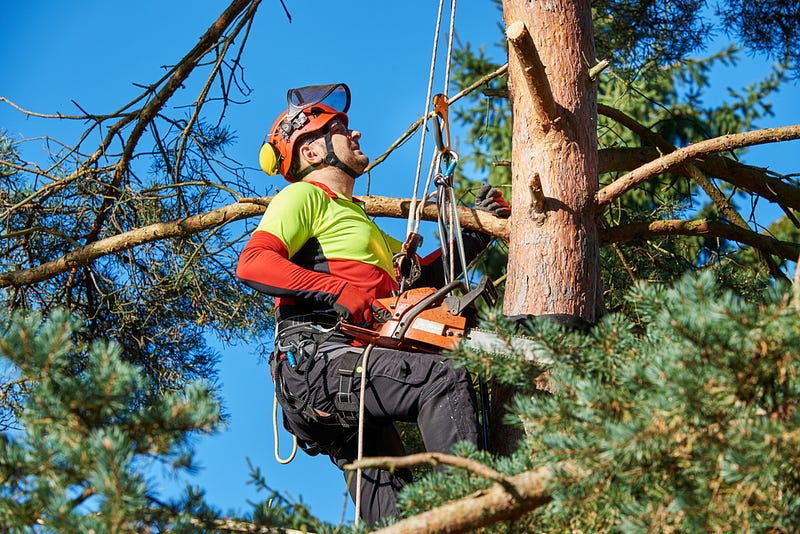
Apart from thinning a forest, it is helpful to prune plants. Pruning means removing parts of plants. One advantage of pruning is that the humidity in the forest can be reduced. Lower humidity can prevent harmful microorganisms from thriving. Another advantage is that infected parts of the plants can be cut away before more damage is done.
6. Limiting connectivity
The sixth method to keep forests healthy is limiting connectivity. Connectivity involves to what extent forests or forest patches are connected. A connection exists for example when:
- roots are connected
- spores blow over
- water carries diseases
- humans or animals carry harmful microorganisms
- vehicles and tools carry infected soil
The closer a healthy and diseased forest are together, the more likely the healthy forest gets infected too. So, keeping an appropriate spacial distance between forest patches and using sanitary precautions for the tools and vehicles are important to limit connectivity.
Conclusion
So, we can keep our forests healthy by applying correct site preparation, increasing plant diversity, providing plant shelter to certain trees, controlling the tree density, thinning and pruning, and limiting connectivity.
How we can take action
Here are practical ideas of what you and I can do to keep forests healthy:
- Bringing waste back home for correct disposal, so that it cannot accidentally carry harmful microorganisms to other areas
- Warning forest manager when you notice infected plants
- Removing soil from shoes before entering a forest
Do you have further ideas of what you and I could do? Thank you in advance for leaving them in a comment to this question for us all to get inspired.
Related articles
How Cities Can Protect Trees On Private Land
You can find all deforestation-related articles on my deforestation reading list.
Credit
This article is based on:


