Keeping Our Belonging And Humanity in Tough Times
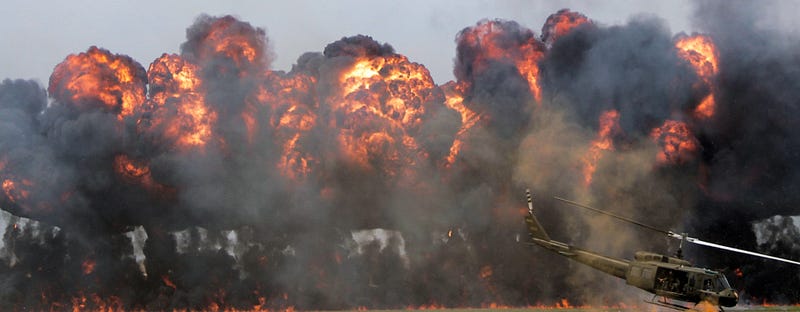
The IPCC has issued dire warnings this week about the future — Vlad Putin launched bombs
Difficult Times
The human being is defined by our own narratives, our stories.
Some people, clearly tell themselves stories about domination. Societies get confused, and misled, by this type of authority.
Also, if we make those stories about denial or disconnection to nature, we create damaging scenarios in the real world.
For example, the narrative that fossil fuels drive only prosperity and agriculture is one-sided at best. It disrupted the climate. Fossil fuels also, as we now know, drive pollution, loss of habitat, sprawling suburbs, (we all drive cars rather than walk the village lane) over-harvesting, and climate injustice.
While Putin unleashed terror, he was driven in part, by a greed not just for political, but for energy power — control over who gets fuel, heat, and food.
At the same time, the IPCC tells us we are running out of time to stop global heating.
Many people today feel hopeless and helpless. If they have not mentally prepared for the loss of their homes, any property, the once-upon-a-time woods, or glade, they may feel a sense of betrayal by nature and/or people. They may see and feel the diminishment, and/or contamination of lakes, rivers, and shores and feel a profound sense of grief, injustice, and loss of the vital inspiration that nature provides.
Solace while we can still find it
It has long been known that immersion in nature, and especially wilderness, is refreshing, rejuvenating, and healing. Most of all, nature is instructive to knowing resilience is real. Nature is resilient, but all limits, of course, eventually are reached.
How then, do people keep hope alive? This has to be a very deliberate two-step process, the first step is to admit we are not apart from nature but are a part of nature. This establishes our belonging rather than our destructive, and admittedly denial-based assumptions, from the age of oil. Oil was not always our chief source of fuel, nor did we kill oceans and organisms with our plastic waste.
This first step — belonging — helps us frame through daily affirmation that nature is not better off “without humans” but that nature, in fact, can be studied for humans to learn cooperation, collaboration, abundance, sustainability, and even joy.
Looking at ourselves with reason and logic, it becomes obvious that our choices “damage ourselves”, either through pandemics, anthropocentric disasters, pollution, and resource conflicts (wars). Or we can choose creation rather than destruction.
Step two is to make choices
Therefore, the second step after embracing the science and truth of our biological belonging is to commit to making every choice we have about contributing to solutions.
Let’s be clear, many already strive for this, and it does present some extreme challenges.
The cooperation and creativity solution is not an easy way. But it is ultimately easier on ourselves — and the biosphere — than constant scapegoating, alienation, and accelerated loss of the planet we once knew.
Long for belonging
If you have noticed, humanity tends to take both approaches.
In our addiction to fossil fuels, plastics, convenience, tribal impulses, consumption, and more, we often will revert back to the “humans are just horrible” sentiment, and “nature is better off without this humanity cancer.”
You will have heard other similar ideas. Know this: such feelings are a reflection of the depth of our belonging, our sorrow, loss, and guilt, about the lost earth of vast forests, teeming wildlife, pristine splendor, and poetic inspiration.
Our human influence is not the only one but is the one that affects our psyche in regard to our human agency.
For me, for example, extinction is forever and feels like the cruelest sin against millions of years of creator/creation resilience.
To cope, admit and express your longing. Go out into any landscape you can find. Be present. Immerse in your senses. You will find hope in planting pollinator flowers, shirking lawn work, shopping less, creating community food gardens, building coalitions — in effect, taking action rather than giving in to despair.
When people do contribute, we feel heroic. We feel empowered. We feel humble, yet allied. We feel the strength of nature’s collaborative creation.
Moon moods and memory
This method is not one hundred percent all rainbows and joy.
Admitting our negative feelings is very important, just so long as we can forever trace them back to why we feel them.
We feel them because we need hope.
Think of hope as the Selene Allure of the moon. Always present is a pull of world-building glow that waxes and wanes, but in the long run, for as long as we need her, the moon (Selene) is there.
We are a social species. Our stories are strong and powerful, so how we frame them really does matter.
Hope, not false hope, but real hope, as inspired by the reality of our ecopsychology and very determined spirit is what drove us to the progress that created the global societies we now have. Human beings do make wrong turns. They get weird, counter-productive ideas about domination, and even extermination, of the “other.”
But science, nature, spirituality, and human longing, point us in the direction of a possible reality that encompasses diversity, clean water, green living, fresh air, and hope that is as perennial as the flowers in the spring.
It is spring in the northern hemisphere — almost — the season of rebirth.
Let’s hope enough people find the solace, determination, and belonging to truly exert all our humanity, and all our courage.