
YouTube Policy Update
Keeping It Real: YouTube’s New Policy on AI-Modified and Synthetic Videos
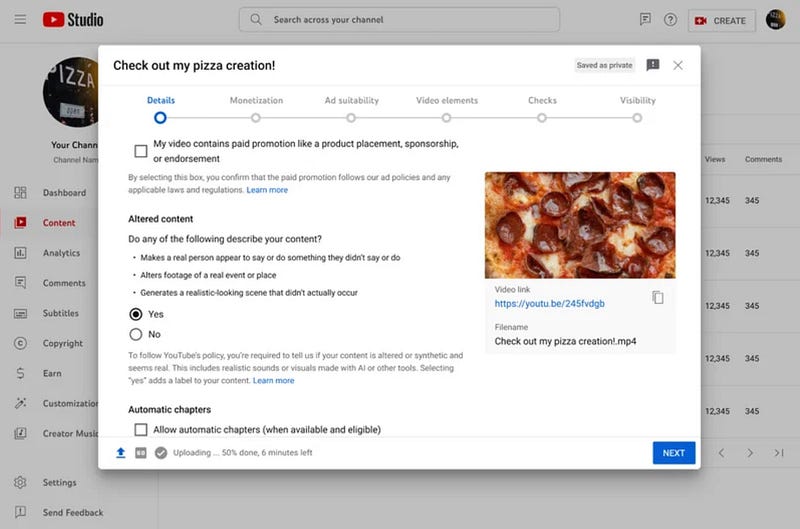
Understanding YouTube’s New Rules: Mandatory Disclosure for AI-Altered Content
In this informative guide, we’re going to walk you through the recent regulations that YouTube has put in place. We’re specifically discussing the new mandate that videos are now required to disclose ‘altered or synthetic’ content, including AI. Below, you’ll find a complete table of contents outlining the topics that we’ll cover:
Table of Contents:
- Chapter 1: Overview of the new regulations
- Chapter 2: Understanding the ‘Altered or Synthetic’ Disclosure
- Chapter 3: The role of AI and synthetic content on YouTube
- Chapter 4: The impact of the new regulations
- Chapter 5: Guidance for content creators
- Chapter 6: What these changes mean for the future of YouTube content
Chapter 1: Overview of the new regulations
In a proactive move to address the rising concerns over the misuse of artificial intelligence technology in video content, YouTube has introduced new regulations. The popular video-sharing platform now mandates the disclosure of any ‘altered or synthetic’ content in it’s videos. This notably includes AI-generated clips, which have become a source of global alarm due to their potential misuse in deepfakes and misinformation campaigns.
Chapter 2: Understanding the ‘Altered or Synthetic’ Disclosure
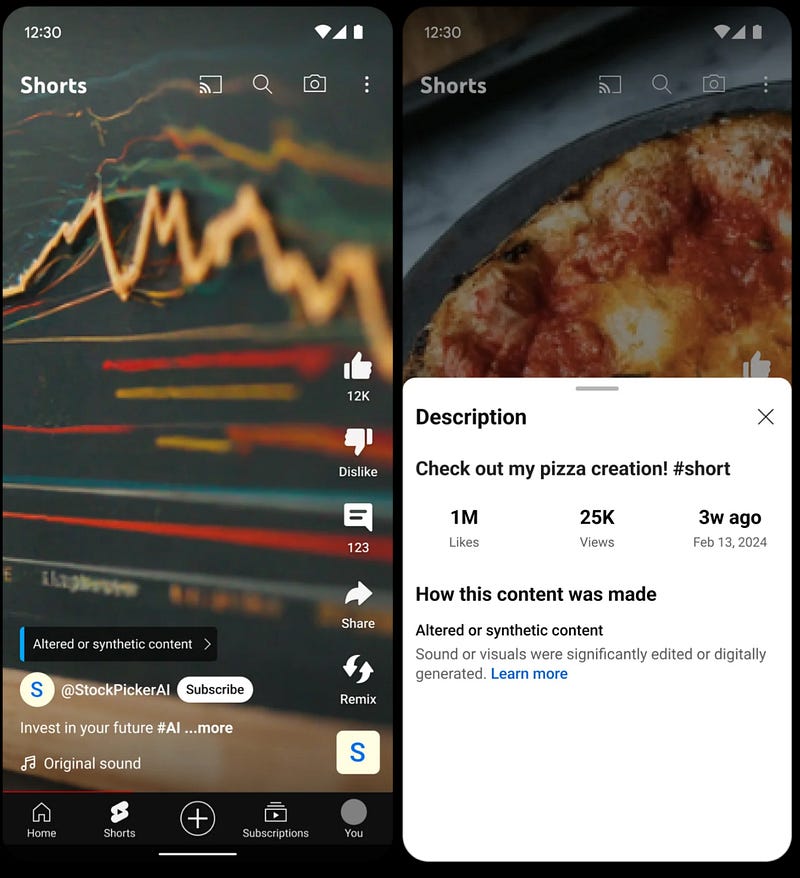
The ‘altered or synthetic’ label is designed to alert viewers to content that is not an accurate representation of truth. This could be anything from digitally manipulated video clips to media generated entirely by AI transmission. These new regulations are not to impose a restriction on creativity, but rather to ensure that viewers are well-informed about the nature of the content they consume.
Chapter 3: The role of AI and synthetic content on YouTube
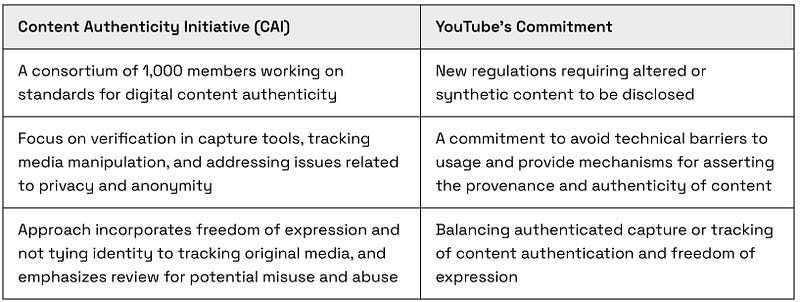
Artificial intelligence, with companies like Google Deepmind, Meta, Bytedance and Stability at the forefront, has enabled significant advancements in content creation tools. These resources allow users to generate synthetically produced videos that can often be indistinguishable from reality. But with these advancements come notable concerns. Verification in capture tools, tracking media manipulation, and FAQ the abuse of data and tools, all contribute to the complexity of the issue.
Chapter 4: The impact of the new regulations
In implementing these regulations, YouTube hopes to create a more honest and accountable platform. This move could effectively curb the misuse of digital media and defend against the spread of misinformation. However, it may spark debates over freedom of expression and the potential suppression of creative endeavors.
Chapter 5: Guidance for content creators
For content creators, these new rules impose an added layer of responsibility. Creators are now tasked with flagging any AI manipulated content within their videos. This includes adjustments made to footage through video editing tools. Fair application of these rules could see creators becoming more conscious of the content they share, with the potential to mitigate the spread of falsified media.
Chapter 6: What these changes mean for the future of YouTube content
Given the broad influence YouTube holds as a content sharing platform, this decision could have far-reaching implications. It underscores the platform’s commitment to content authenticity and is likely to encourage a culture of truth and accountability. Coordination with external initiatives, like Adobe’s CAI, could potentially further secure content credibility. As this narrative unfolds, the role of authenticated capture, content verification and maintaining freedom of expression will form the crux of the broader conversation on digital content.
Conclusion
As we traverse through these transformative times in the sphere of digital media, we see YouTube embracing unavoidable change. What initially started as a platform for sharing homemade videos has now evolved into a global stage for revolutionary technologies, controversial synthetic content, and influential messaging. It’s remarkable in its breadth and potential impact. Even so, the emergence of deepfakes and the spread of misinformation pose significant concerns. This has led to the recent mandate requiring “Altered or Synthetic” disclosures on YouTube videos.
This was one major topic discussed at the Coalition for Content Provenance and Authenticity’s (C2PA) milestone event on January 26, 2022. The day saw a gathering of policymakers, academics, and industry leaders who deliberated on the steps necessary for the responsible creation, publication, and sharing of digital media. In the same spirit, YouTube’s new regulation aims to address the trust and freedom of expression issues that AI and synthetic content may potentially harm.
The role that AI has played in sparking off intriguing conversations has no better example than the German artist who generated an AI image that earned a place in the Sony World Photography Awards. This has given a whole new perspective to AI showers — it’s not just about deception; it’s also about realism.
In conclusion, the role of content creators cannot be understated in this scenario. They must now recalibrate their content strategy in view of YouTube’s new regulation and the changing narrative in general. Furthermore, users will have to fine-tune their ability to discern and make the most of this transformative era in digital media. Undoubtedly, these changes herald a new era of responsible and trustful content on YouTube, paving the way for a future that vigorously champions authenticity.
A Reflection with Jason

Reflecting on these recent changes, it’s clear that we are witnessing pivotal times in navigating the world of digital content. It’s an era where our trust in content is tested and fortified by these new layers of authenticity. As consumers, we must now be more discerning, considering the nuts and bolts of information presented to us.
The onus is also on the content creators, who are faced with the challenge and responsibility of adhering to these new authenticity parameters. I am optimistic that this move will encourage a higher bar of integrity in media creation and sharing, effectively reducing the spread of misinformation.
Collectively, initiatives such as the CAI and the C2PA are urging us to shift our perspective on digital content consumption and its authenticity. I believe this is a progressive step, making us more informed and responsible consumers and creators of digital content.


