avatarDr Gautam Kulkarni

Free AI web copilot to create summaries, insights and extended knowledge, download it at here

2687

Abstract

nate increase in the number of children presenting with a Toxic Shock or Kawasaki Disease diagnosis.</p><p id="ca7c">Anecdotally, one of the Children's Intensive care Units in London has had between 1-2 sick children with a Toxic Shock / Kawasaki Disease diagnosis every day. Normally, this hospital sees 1-2 affected children each month.</p><p id="f212"><a href="https://time.com/5828506/rare-child-illness-coronavirus/">A similar pattern has now been observed in children presenting to other centers across Europe and the US.</a></p><figure id="2cda"><img src="https://cdn-images-1.readmedium.com/v2/resize:fit:800/0*NTsmCFA5QDxKX5tr"><figcaption>Photo by <a href="https://unsplash.com/@cheaousa?utm_source=medium&amp;utm_medium=referral">Ousa Chea</a> on <a href="https://unsplash.com?utm_source=medium&amp;utm_medium=referral">Unsplash</a></figcaption></figure><h1 id="903e">Pediatric IUC worldwide collaboration</h1><p id="ba86">Pediatric intensive care unit physicians are working together to analyze cases and discover a link and explanation.</p><p id="825f"><b>Clinical features of these children, who were COVID positive or contacts</b></p><ul><li>All of them had a high fever for 5-7 days and had blood tests showing raised inflammatory markers</li><li>Some had mucositis (such as conjunctivitis)</li><li>Some had a rash</li><li>Some had severe abdominal pain leading to appendicectomy</li><li>Most progressively got sicker needing escalation of intensive care</li><li>The current illness can affect older children and teenagers</li><li>Kawasaki disease may occur even after the child has seemingly made a full recovery from the initial COVID-19 infection. The current hypothesis is our immune system response does not switch off after the original infection.</li></ul><h1 id="c52e">Warning signs</h1><p id="c133">Pediatrics, pediatric intensivists, and emergency department physicians must consider the possibility of Kawasaki Disease much earlier in children with high fevers who look unwell.</p><p id="22b6">Blood tests showing increased inflammatory markers should raise suspicion of Kawasaki Disease.</p><p id="f521">Some children may present with severe abdominal pain mimicking appendicitis.</p><p id="50fa">The importance of recognizing this very rare complication is that with specific treatment ( Immunoglobulins and steroids ) children will show more rapid improvement with minimal long term sequelae.</p><figure id="7ed7"><img src="https://cdn-images-1.readmedium.com/v2/resize:fit:800/1*-ilLlN-J78vN5P0K8juLbQ.jpeg"><figcaption><a href="https://www.ouh.nhs.uk/children/documents/covid-19-advice.pdf">https://www.ouh.nhs.uk/children/documents/covid-19-advice.pdf</a

Options

</figcaption></figure><p id="4c51">The majority of children with Coronavirus infection have an uncomplicated course and a functional recovery. In a minority of children, who seem more unwell, please seek medical opinion early.</p><p id="2f1e">In fact, during the lockdown period, most children have been healthier with fewer other infections in circulation. For many of my patients, I have used the opportunity of this rather unwelcome break to adjust their medications without the added confounding factors of nurseries and schools disrupting their routines.</p><p id="8c6a">I discuss some of the positive children’s health impacts of the lockdown in this article. We all need a small silver lining in otherwise dark times.</p><div id="8d9e" class="link-block">
      <a href="https://readmedium.com/a-terrifying-prospect-back-to-school-for-my-young-patients-be2e0c6b9183">
        <div>
          <div>
            <h2>A Terrifying prospect – Back to school for my young patients?</h2>
            <div><h3>As a doctor, there are very few positives in the current crisis. Many of us are hurting and I can only hope this…</h3></div>
            <div><p>medium.com</p></div>
          </div>
          <div>
            <div style="background-image: url(https://miro.readmedium.com/v2/resize:fit:320/1*pCPTbiVly88bx37DeD4ksw.jpeg)"></div>
          </div>
        </div>
      </a>
    </div><div id="7333" class="link-block">
      <a href="https://readmedium.com/a-pediatrician-answers-covid-19-faqs-ea7d38371d4">
        <div>
          <div>
            <h2>A Pediatrician answers Covid-19 FAQs</h2>
            <div><h3>Parents wants answer they can trust</h3></div>
            <div><p>medium.com</p></div>
          </div>
          <div>
            <div style="background-image: url(https://miro.readmedium.com/v2/resize:fit:320/0*G3j_4XaqcuGGj2hv)"></div>
          </div>
        </div>
      </a>
    </div><div id="b752" class="link-block">
      <a href="https://readmedium.com/why-we-should-be-cautious-with-covid-19-medical-research-b4694c024e36">
        <div>
          <div>
            <h2>Why We Should Be Cautious With COVID-19 Medical Research</h2>
            <div><h3>Thalidomide: A grim reminder of why we care about drug safety</h3></div>
            <div><p>medium.com</p></div>
          </div>
          <div>
            <div style="background-image: url(https://miro.readmedium.com/v2/resize:fit:320/0*NoKVM6wGTl0cWbUG)"></div>
          </div>
        </div>
      </a>
    </div></article></body>

MIS-C An Alarming Increase in a Rare but Serious Illness Affecting Children With COVID-19

A Pediatrician explains Kawasaki Disease and Shock in Children With Coronavirus
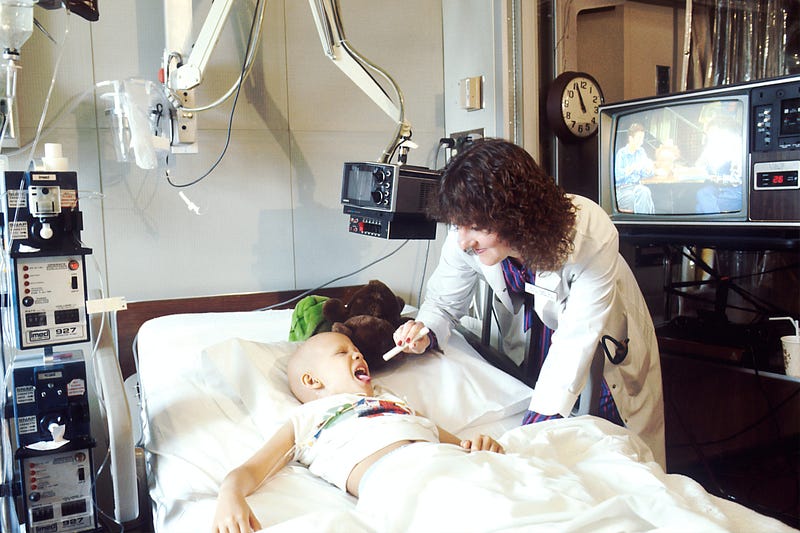
Photo by National Cancer Institute on Unsplash

As a Pediatrician, I am thrilled that COVID -19 is largely sparing children. However, we are seeing an unusual pattern, with an increased incidence of a rare condition called Kawasaki Disease and similar conditions. These are dubbed Paediatric inflammatory multisystem syndrome (PIMS) or multisystem inflammatory syndrome in children (MIS-C).

Kawasaki disease mainly affects children under the age of five, but we are now seeing children of all age groups affected. The characteristic symptoms are a high temperature that lasts for five days or more, with:

  • a rash
  • swollen glands in the neck
  • dry, cracked lips
  • red fingers or toes
  • red eyes

Although the exact cause of Kawasaki is not known, evidence indicates an infection or an inappropriate immune response to infection triggers the disease. The trigger for this could be any bacterial or viral infection. Experts believe there is an exaggerated response of the immune system, resulting in infiltration of blood vessel walls with white blood cells, associated blood vessel inflammation (vasculitis), and cardiovascular damage.

The exaggerated immune response causes inflammatory damage to several vital organs in the body such as the heart, kidneys, lungs, and even our brain.

The diagnosis can be quite challenging early in the course of the illness. Several illnesses present similarly ranging from simple viral infections to other inflammatory conditions such as Toxic Shock syndrome. Toxic shock syndrome (TSS) is a rare but life-threatening condition caused by bacteria getting into the body and releasing harmful toxins.

Analysis of the causes of sick children presenting to Intensive Care Units in London and the UK reveals a disproportionate increase in the number of children presenting with a Toxic Shock or Kawasaki Disease diagnosis.

Anecdotally, one of the Children's Intensive care Units in London has had between 1-2 sick children with a Toxic Shock / Kawasaki Disease diagnosis every day. Normally, this hospital sees 1-2 affected children each month.

A similar pattern has now been observed in children presenting to other centers across Europe and the US.

Photo by Ousa Chea on Unsplash

Pediatric IUC worldwide collaboration

Pediatric intensive care unit physicians are working together to analyze cases and discover a link and explanation.

Clinical features of these children, who were COVID positive or contacts

  • All of them had a high fever for 5-7 days and had blood tests showing raised inflammatory markers
  • Some had mucositis (such as conjunctivitis)
  • Some had a rash
  • Some had severe abdominal pain leading to appendicectomy
  • Most progressively got sicker needing escalation of intensive care
  • The current illness can affect older children and teenagers
  • Kawasaki disease may occur even after the child has seemingly made a full recovery from the initial COVID-19 infection. The current hypothesis is our immune system response does not switch off after the original infection.

Warning signs

Pediatrics, pediatric intensivists, and emergency department physicians must consider the possibility of Kawasaki Disease much earlier in children with high fevers who look unwell.

Blood tests showing increased inflammatory markers should raise suspicion of Kawasaki Disease.

Some children may present with severe abdominal pain mimicking appendicitis.

The importance of recognizing this very rare complication is that with specific treatment ( Immunoglobulins and steroids ) children will show more rapid improvement with minimal long term sequelae.
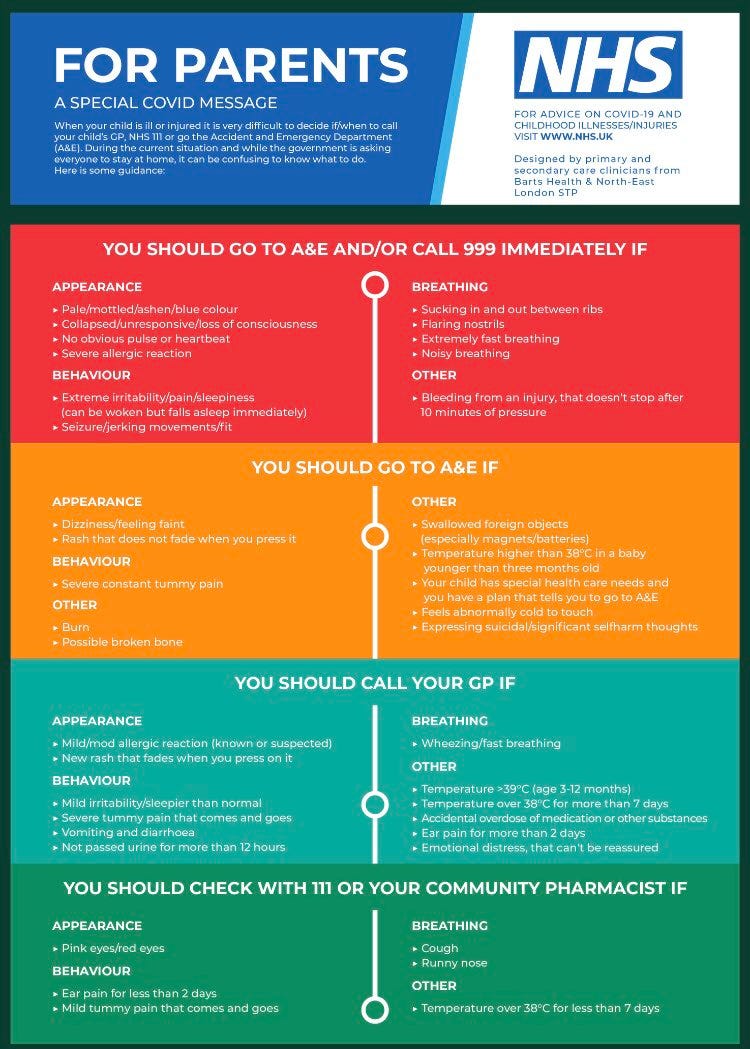
https://www.ouh.nhs.uk/children/documents/covid-19-advice.pdf

The majority of children with Coronavirus infection have an uncomplicated course and a functional recovery. In a minority of children, who seem more unwell, please seek medical opinion early.

In fact, during the lockdown period, most children have been healthier with fewer other infections in circulation. For many of my patients, I have used the opportunity of this rather unwelcome break to adjust their medications without the added confounding factors of nurseries and schools disrupting their routines.

I discuss some of the positive children’s health impacts of the lockdown in this article. We all need a small silver lining in otherwise dark times.

Coronavirus
Covid-19
Children
Health
Science
Recommended from ReadMedium