
ALPHABET TRAVEL CHALLENGE
Kathmandu — Two Days Is Not Enough
A to Z of my favorite travel destinations K is for Kathmandu.
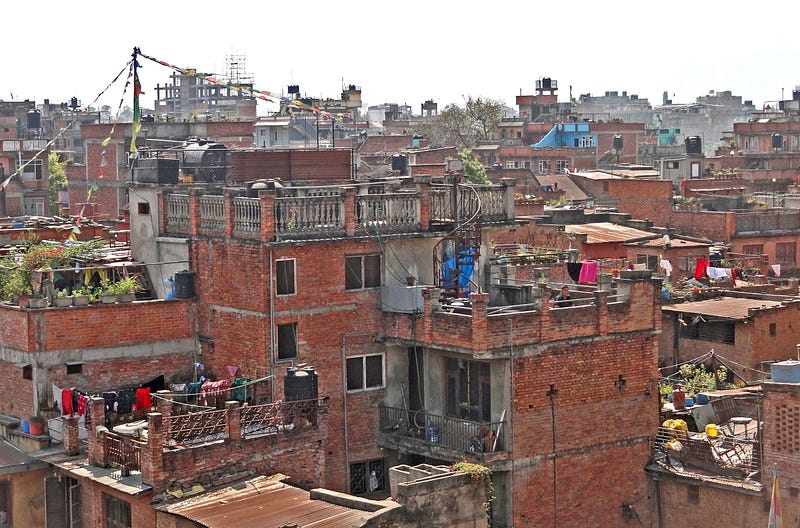
As the plane descended through the clouds we searched the hills and mountains for the majestic Himalayas but they were shrouded in haze. Still the sight of Kathmandu was exhilarating.
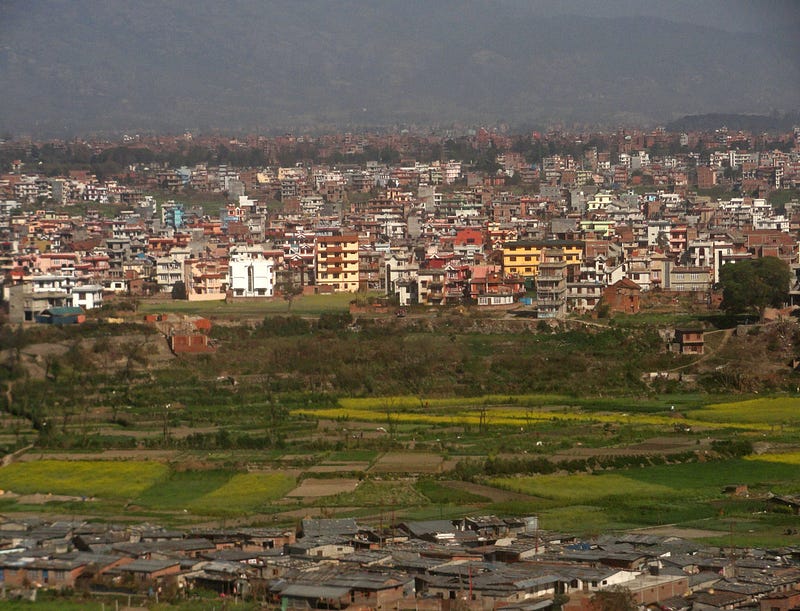
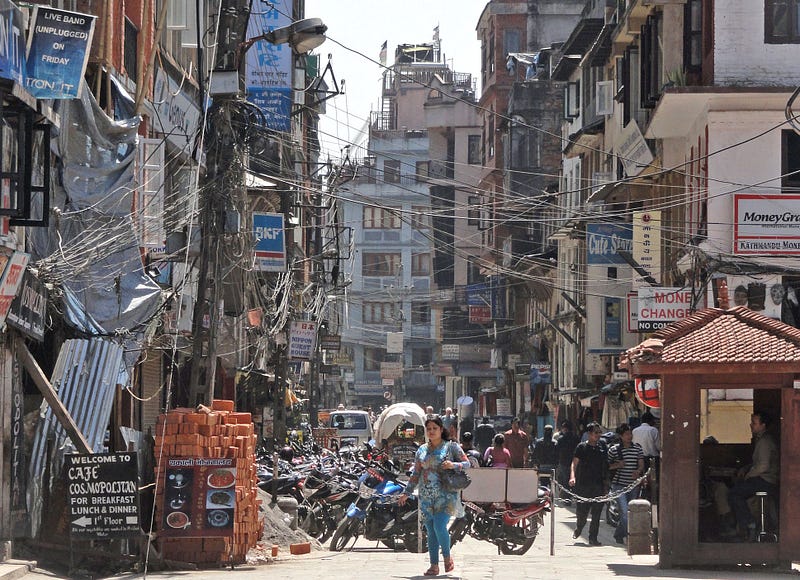
I had come to the Nepalese capital with my friend Lindsay and stayed at a hotel, right in the heart of Thamel, the main tourist district. We had just enough time for an hour long stroll through the markets, before we met up with her family for dinner.
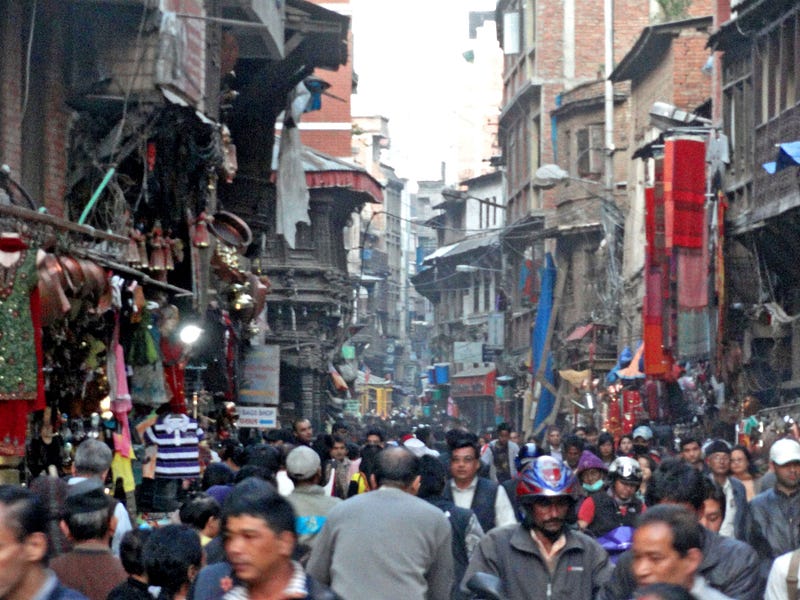
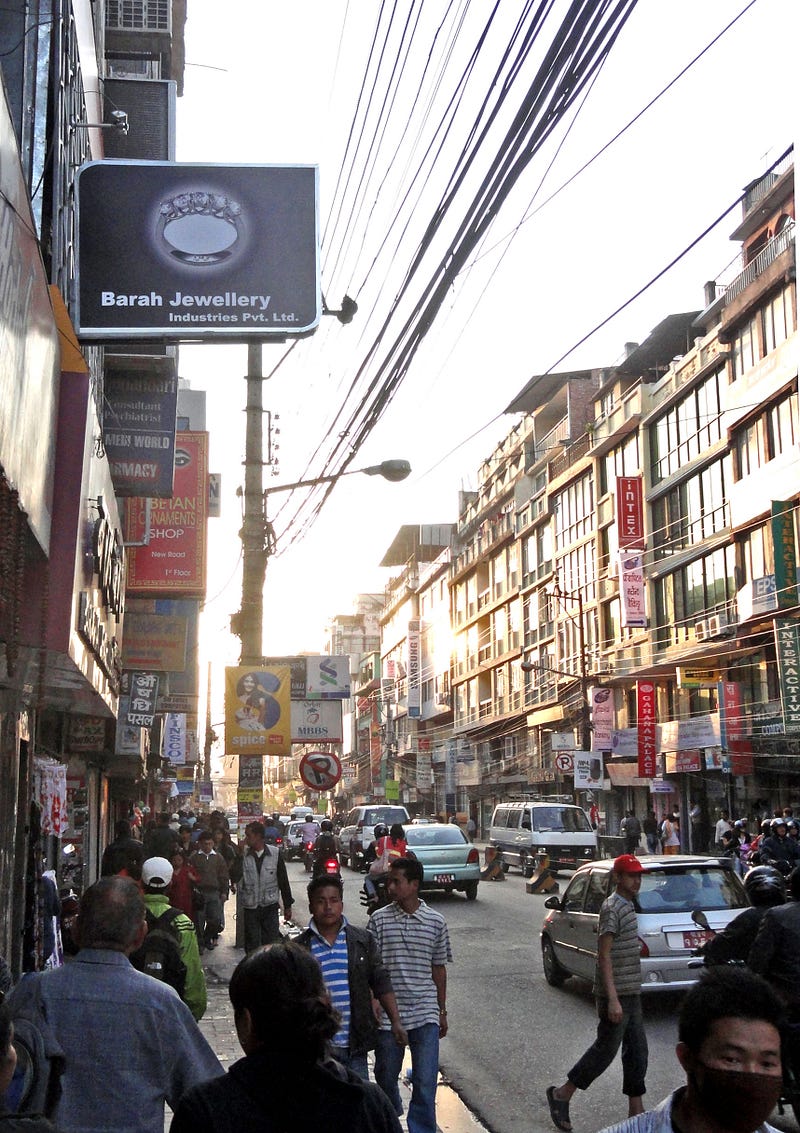
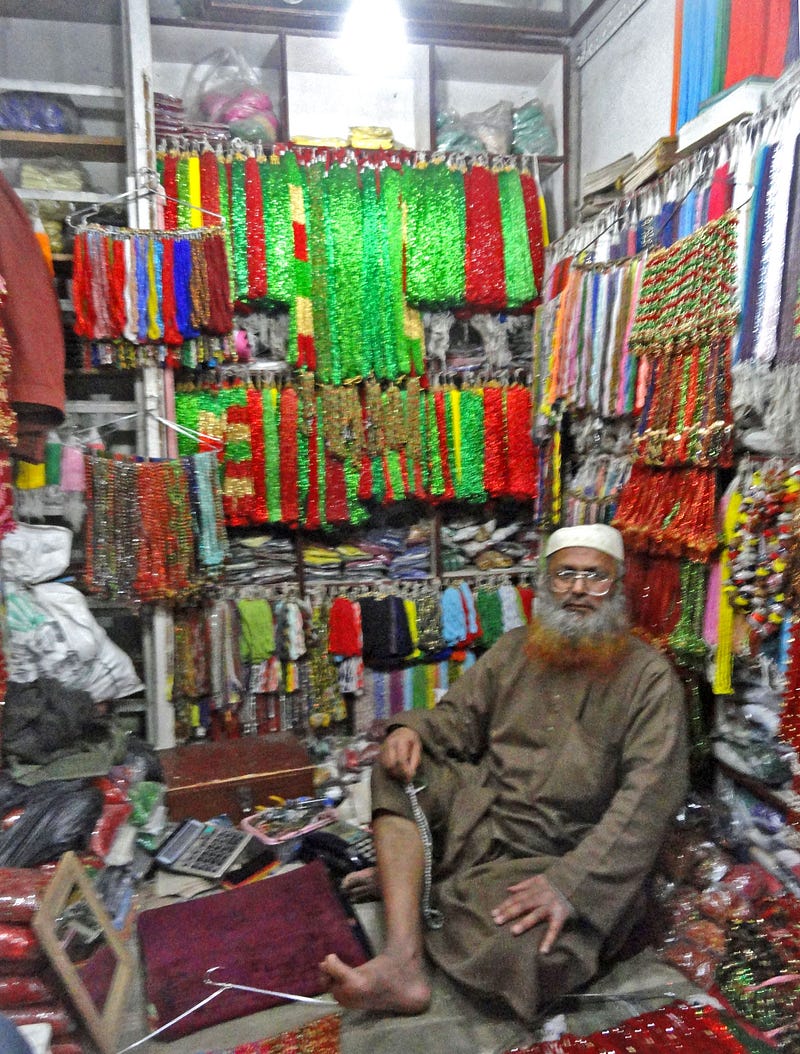
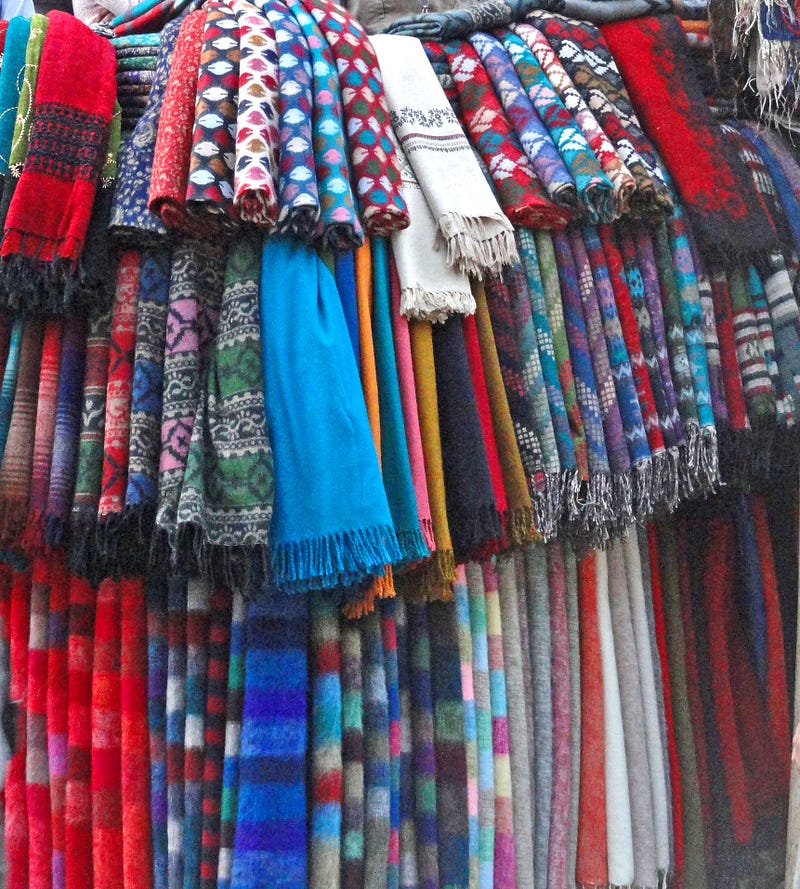
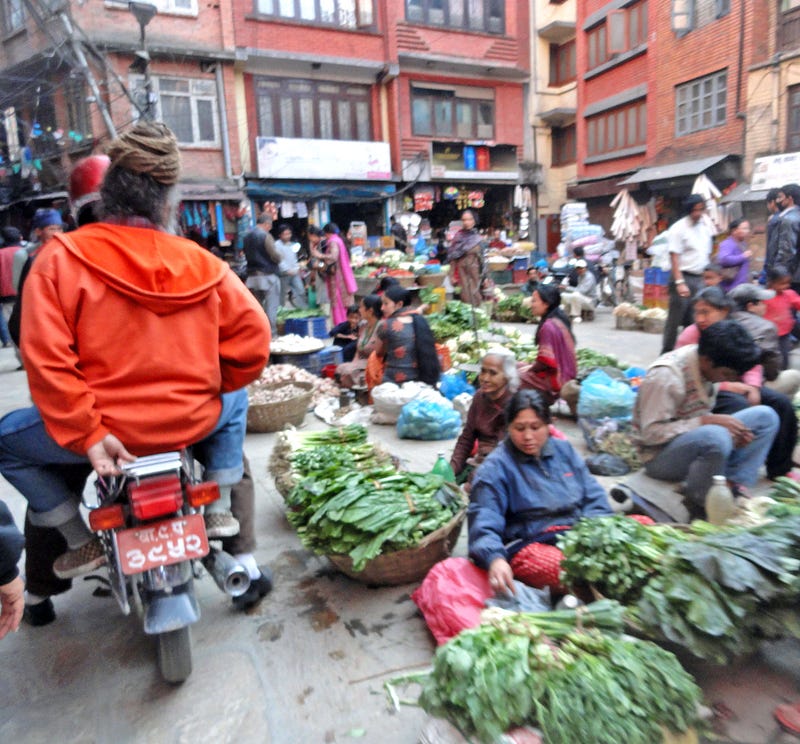
The narrow streets and alleyways were crammed with everything you can imagine; blankets, saris, shoes, down-filled sleeping bags, winter jackets, hand knitted wool clothes from mittens to jackets, as well as electronics.
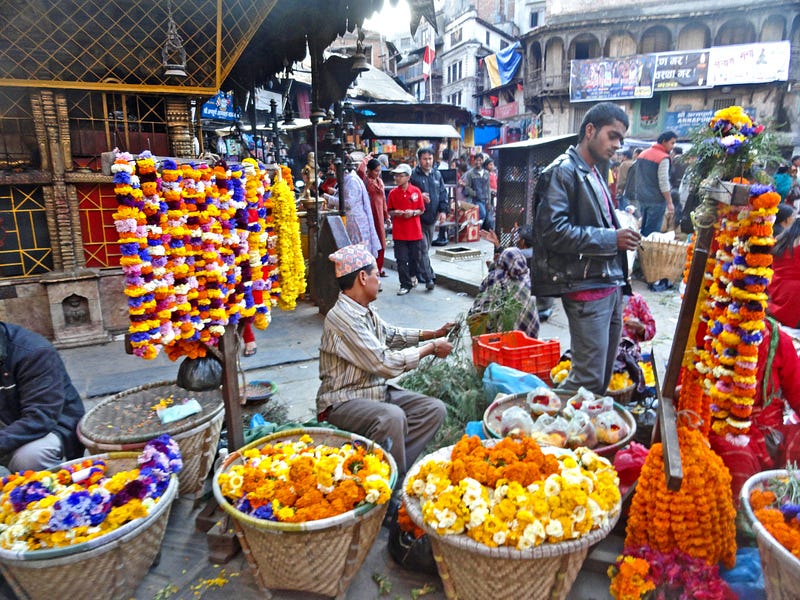
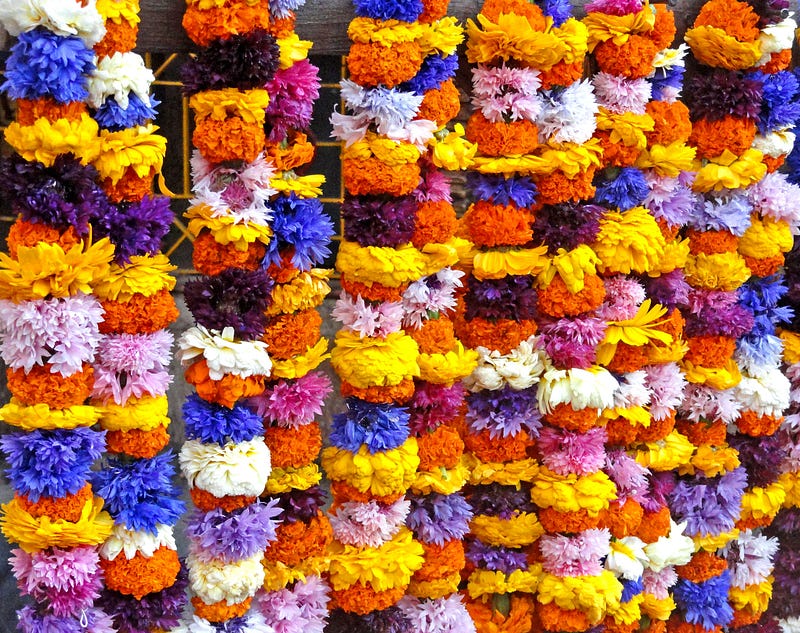
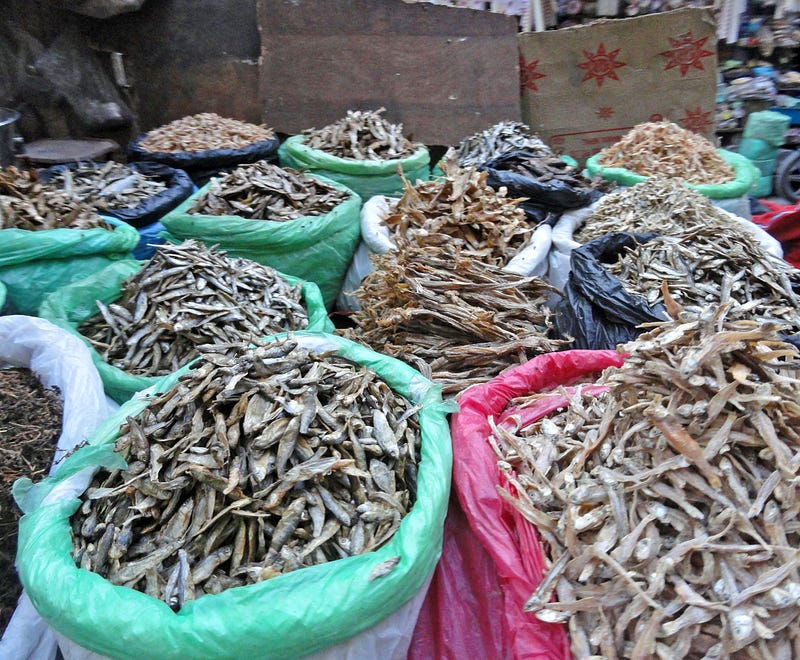
It was an experience for all the senses. The fragrance of the Marigold and Chrysanthemum flowers being threaded into garlands or Mala to be used in daily worships, blended with the smells from giant sacks of dried fish in the next stall.
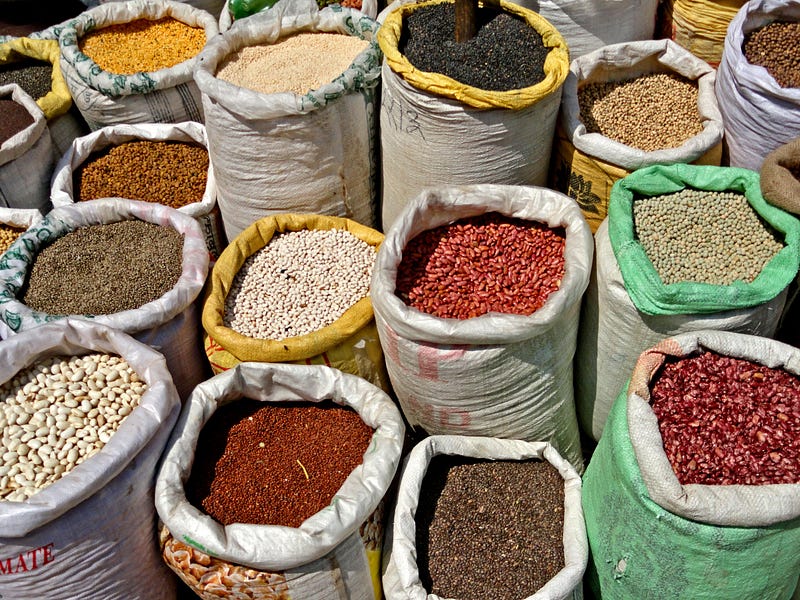
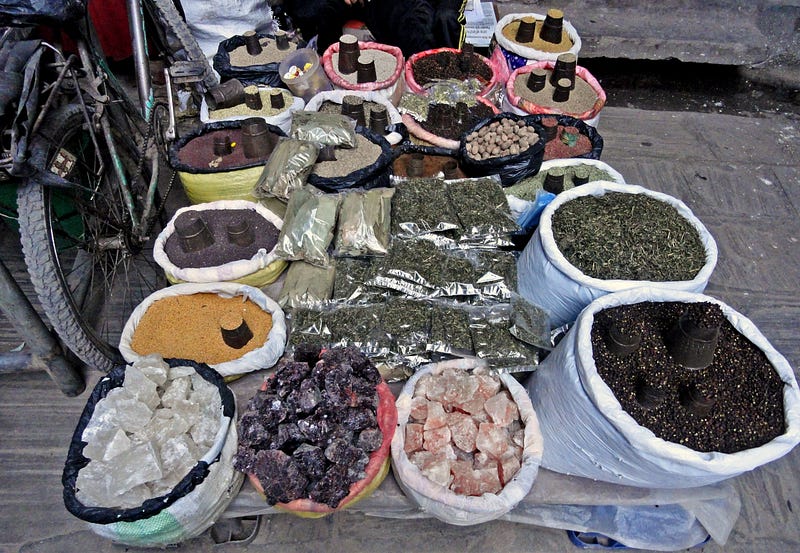
The vegetable and spice markets were filled with the aromas of cardamom, cloves and cinnamon mingling with every other spice you can imagine. There were also vendors selling Himalayan salt, a delicacy and medicinal aid known around the world from white to black to purple to pink.
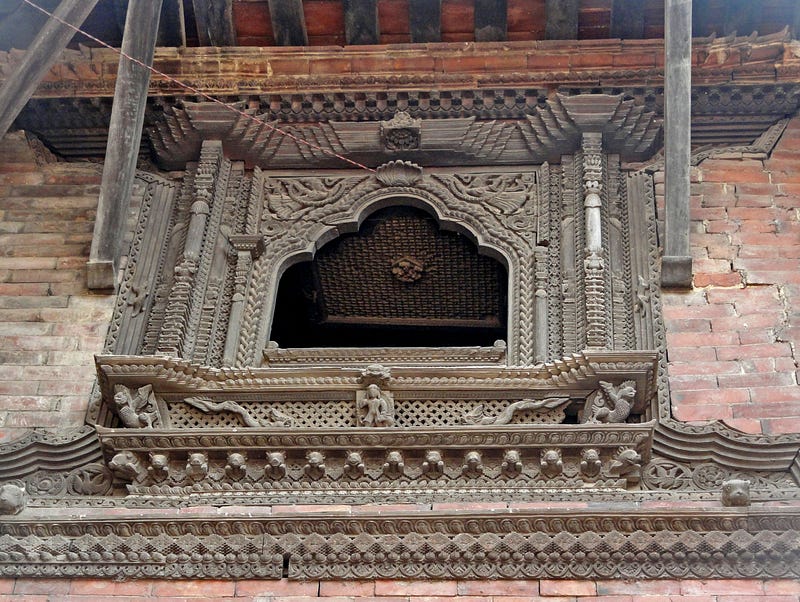
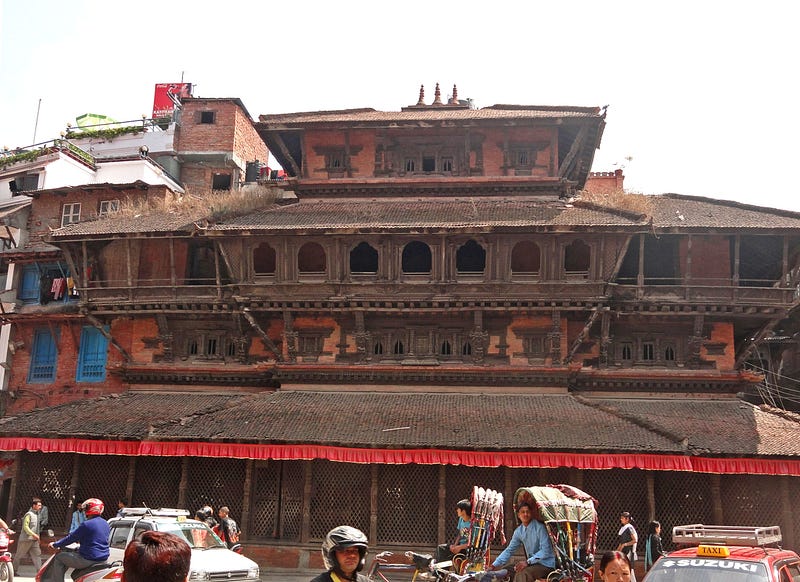
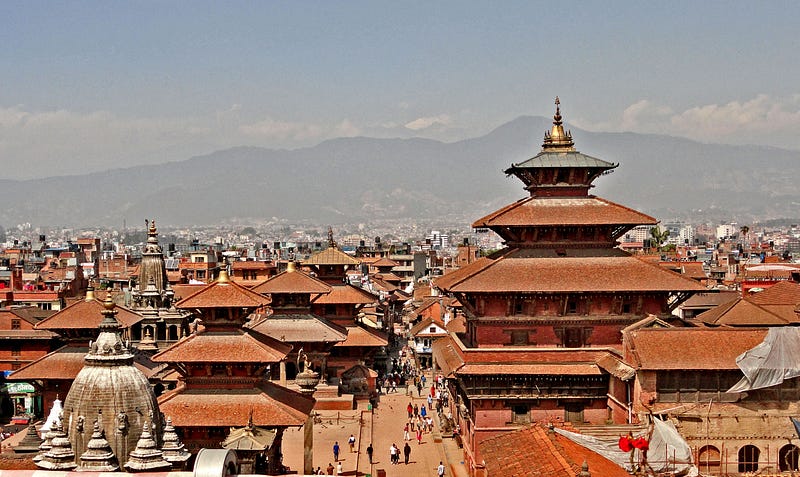
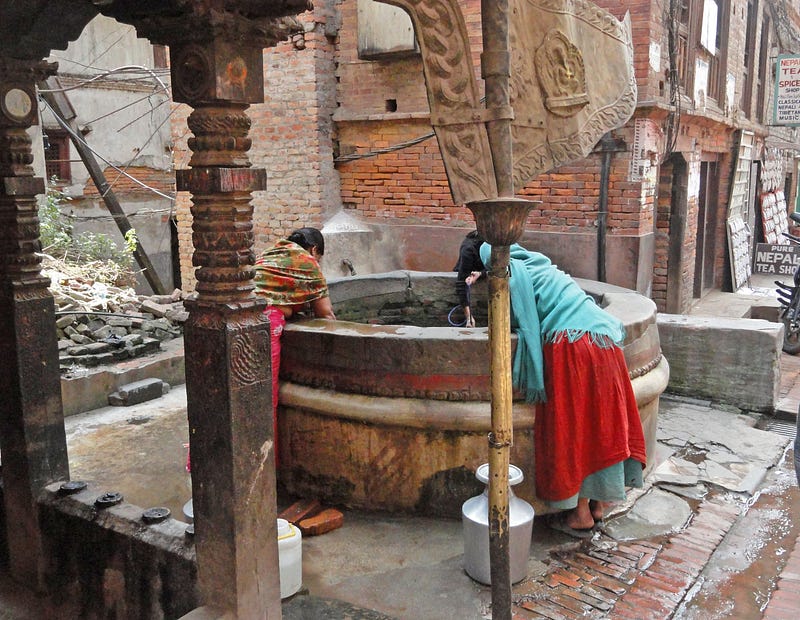
But it’s the unique architecture that I found captivating. Most of the buildings are narrow timber structures, some with elaborately carved doors and windows, others are constructed with brick.
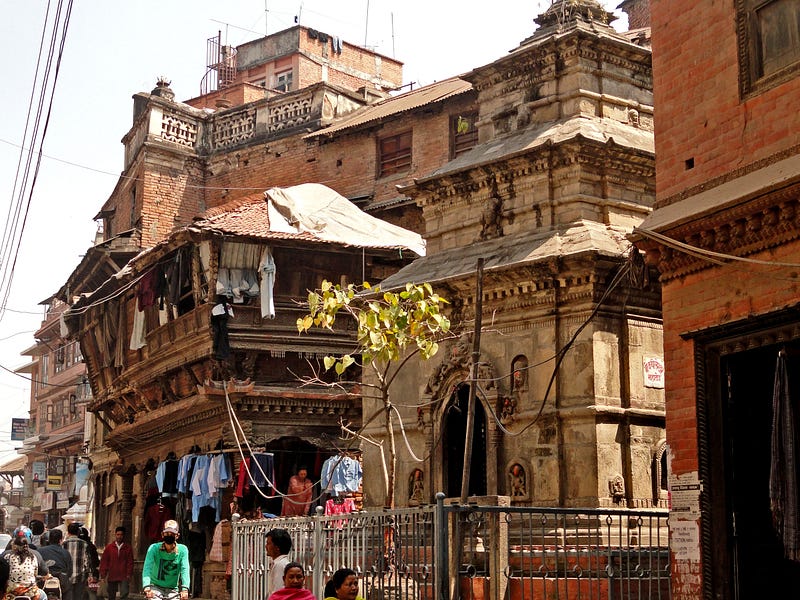
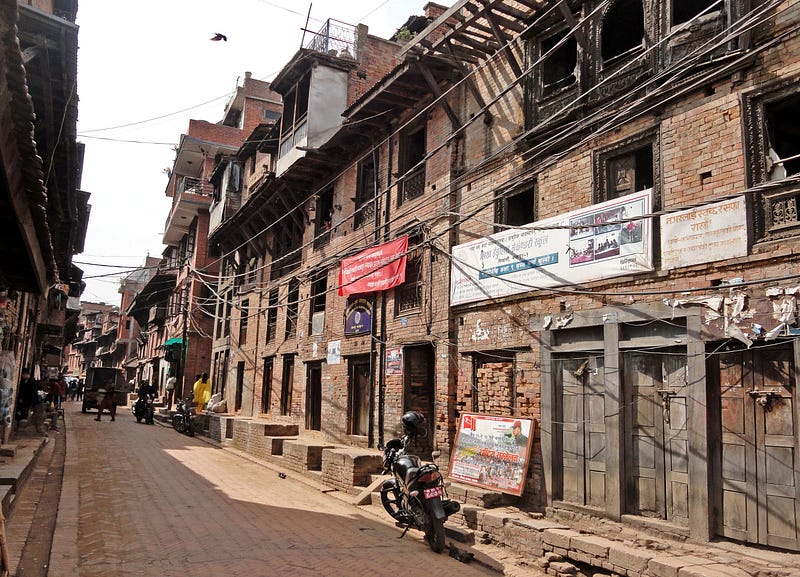
The city itself was not built to handle a large population, so there are some expected problems like water shortages. But even worse is the electricity shortage.
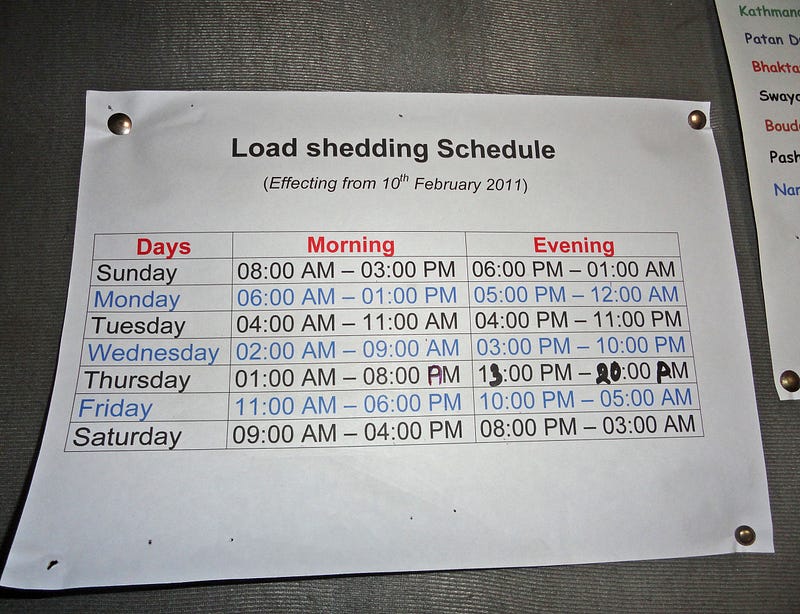
Up until 2017, Kathmandu began rotating power blackouts of about 2 hours at a time, then 4 hours a day, and when I was there it was several hours every day with residents expecting it could get as bad as 18 hour blackouts. It’s called load sharing and officials believed by rotating the blackouts it would be fair for everyone.
When the power went off businesses used generators but since it isn’t practical to keep all the lights on during an energy shortage, usually just a few lights were used and sometimes the business remained completely in the dark until a customer came inside and then the staff turned them on. It also meant “free wi-fi” was only available when the power was on.
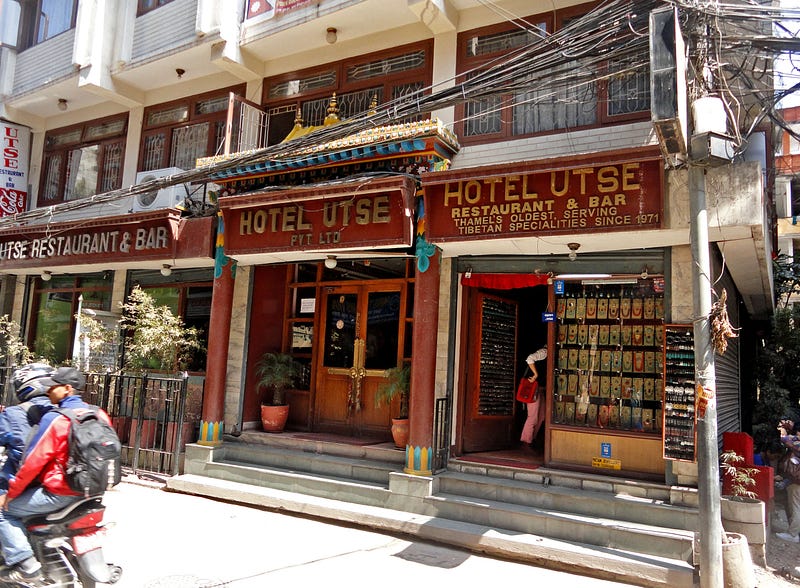
The streets at night are dark and potholed so we brought along a flashlight when we ventured out after sunset. There are a few traffic lights in Kathmandu that are powered by solar energy, otherwise traffic police are set up in the middle of busy intersections directing traffic.
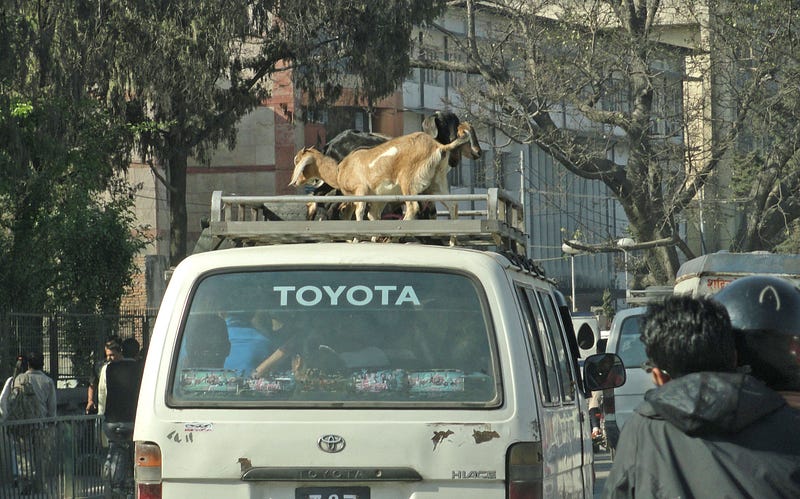
All that was supposed to change in 2017 with new electrical infrastructure, but I have heard that Kathmandu still struggles with blackouts.
Since Kathmandu is in a valley, pollution can be oppressive. The most recent rankings put Nepal as the 8th most polluted country in the world. We could feel it in our throats almost immediately when we got off the plane.
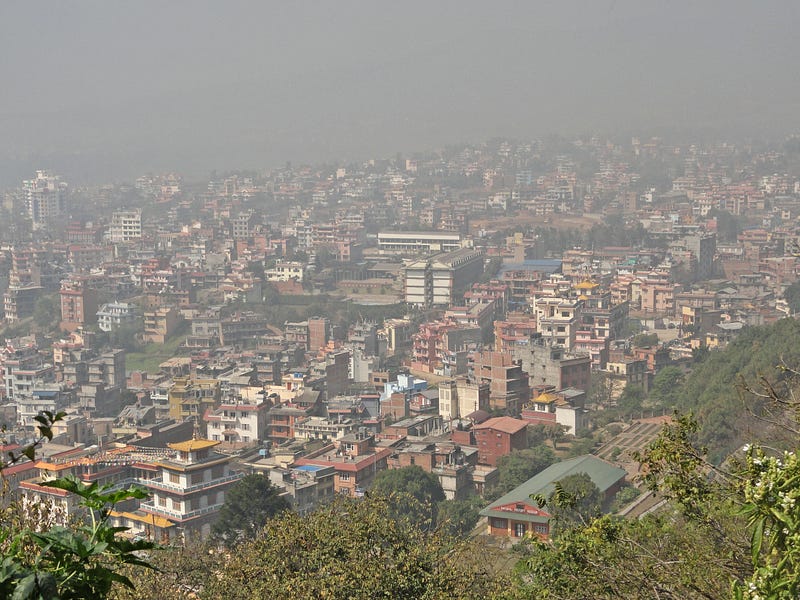
Kathmandu is a city of about 1.5 million people in a poor country. There is a large number of beggars and touts especially in the main tourist areas, trying to get you to buy whatever it is they are selling.
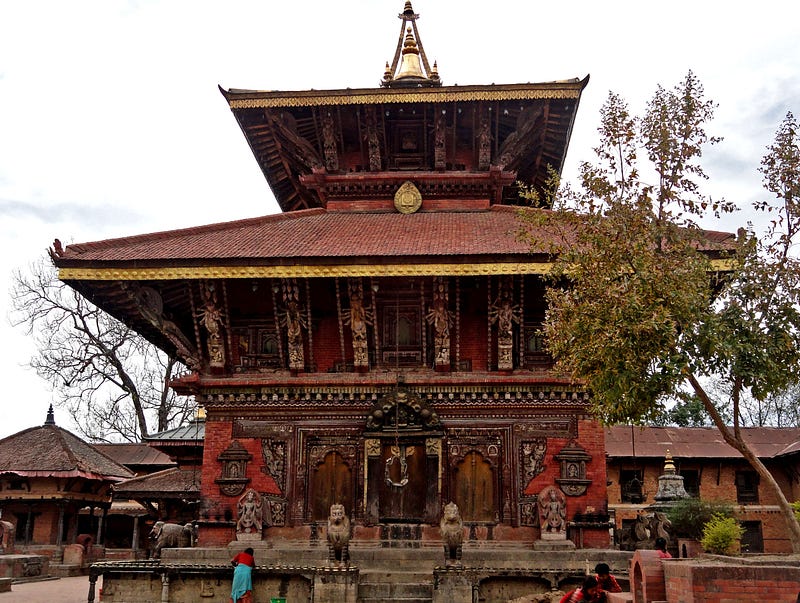
Kathmandu is known as the Valley of Temples and is a very spiritual places. The hundreds of temples, shrines, pagodas and statues of deities bring the people an innate calmness. Nepal is a unique blend of Buddhists and Hindus (80% Hindu, 10% Buddhist, and the rest from other religions) but Buddhists visit Hindu temples and Hindus visit Buddhist temples. They believe their religions are closely linked as well as many of their deities. Our quick two day visit to Kathmandu was highlighted by tours of some extraordinary temples, some hundreds of years old.
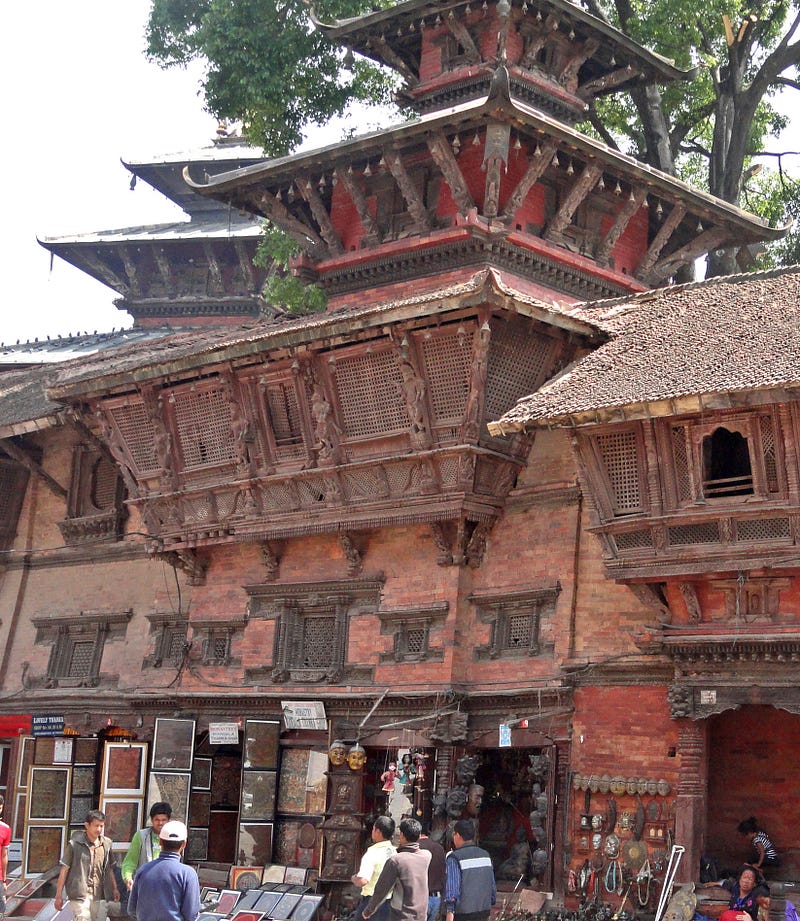
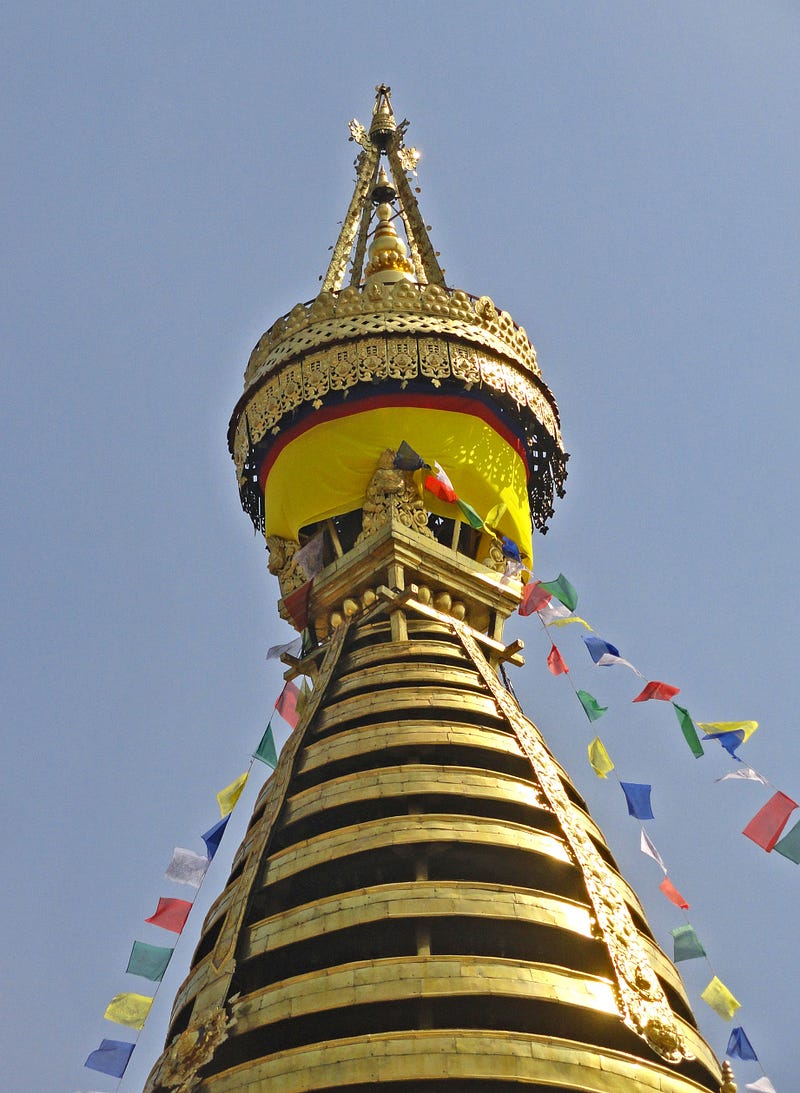
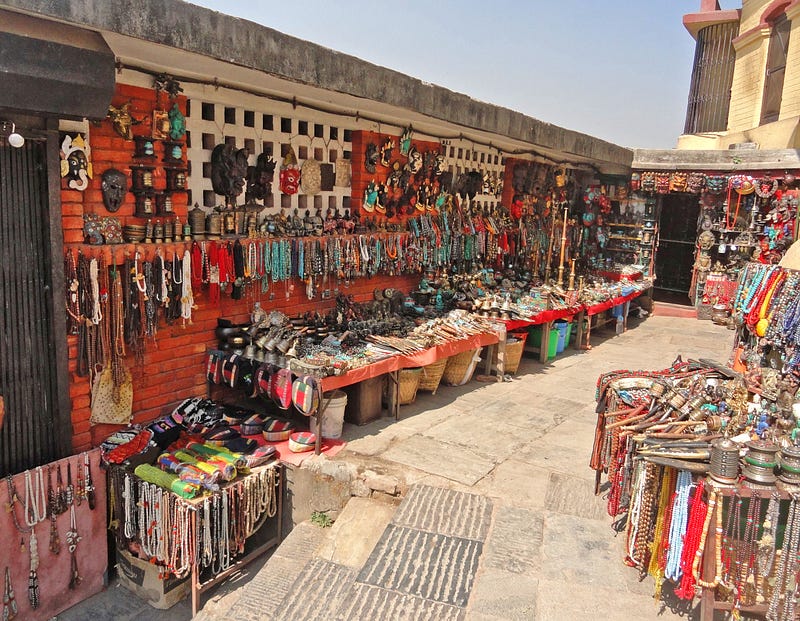
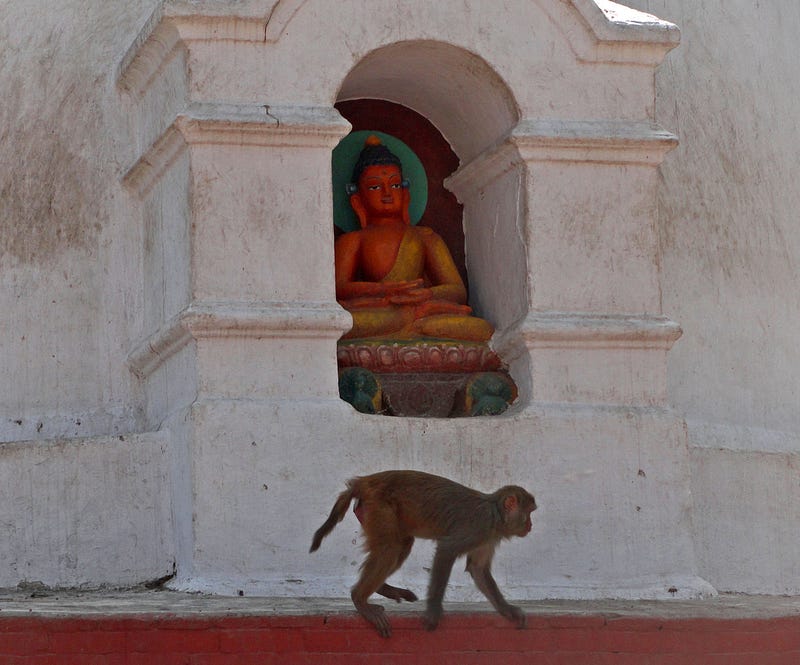
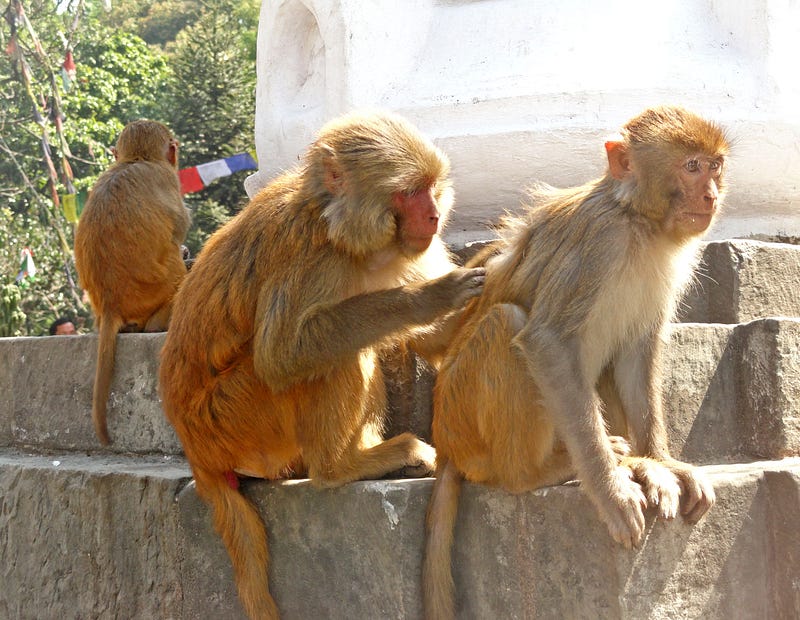
On our first day of touring, we visited the oldest Stupa in the world, Swayambhunath aka The Monkey Temple. You can take the 365 steps to the temple site or drive up. It’s not called the Monkey Temple for nothing. There are monkeys throughout the site and if you know your primates you’ll know to beware of the red-faced monkeys — they can be vicious and like to bite and scratch, even if its the hand that feeds them. It was a magical site, despite all the vendors scattered around selling their wares in the well-stocked souvenir marketplace.
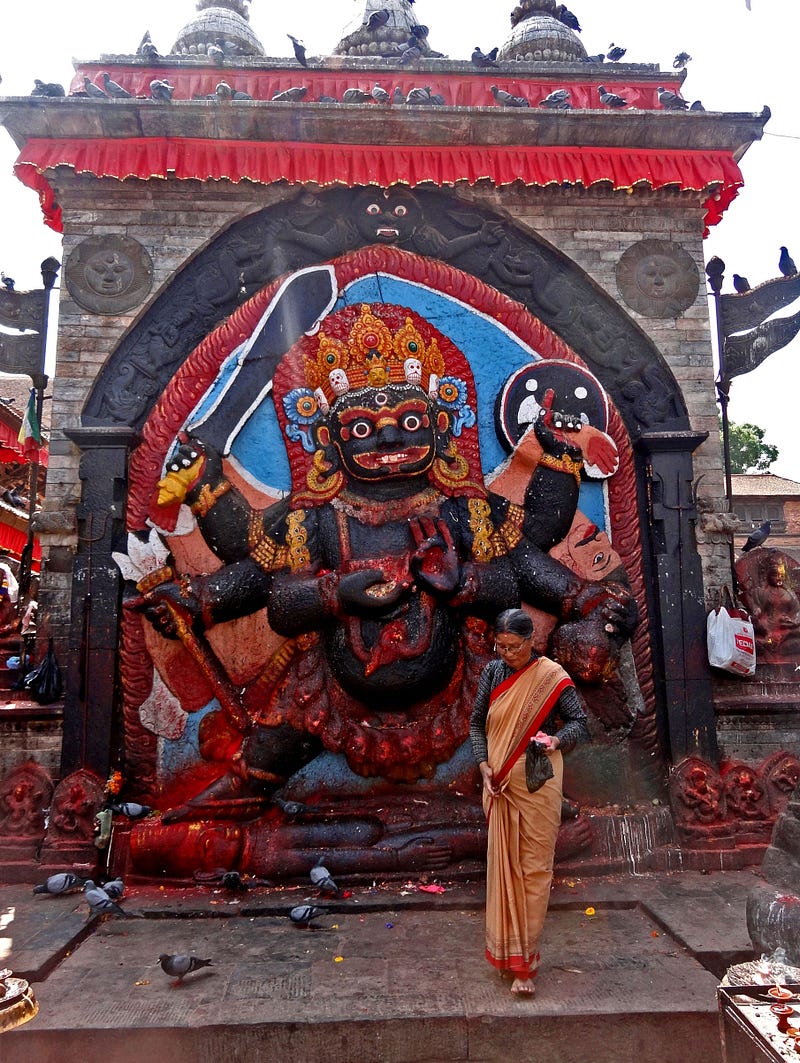
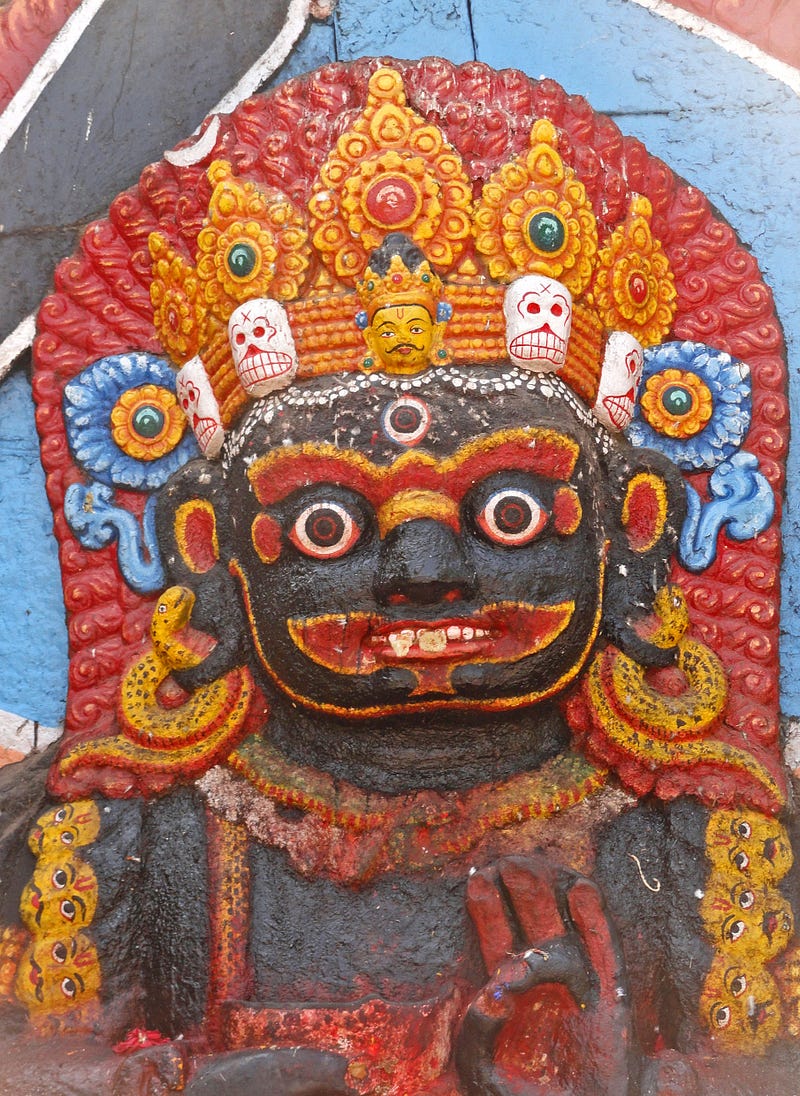
As we wandered through the old town, we found numerous temples and shrines. Worshippers were making offerings at one shrine to the Hindu god Bhairava.
We visited Kumari Chowk, a temple devoted to Kumari, who is believed to have been reincarnated as the living Hindu goddess Taleju by both Buddhists and Hindus.
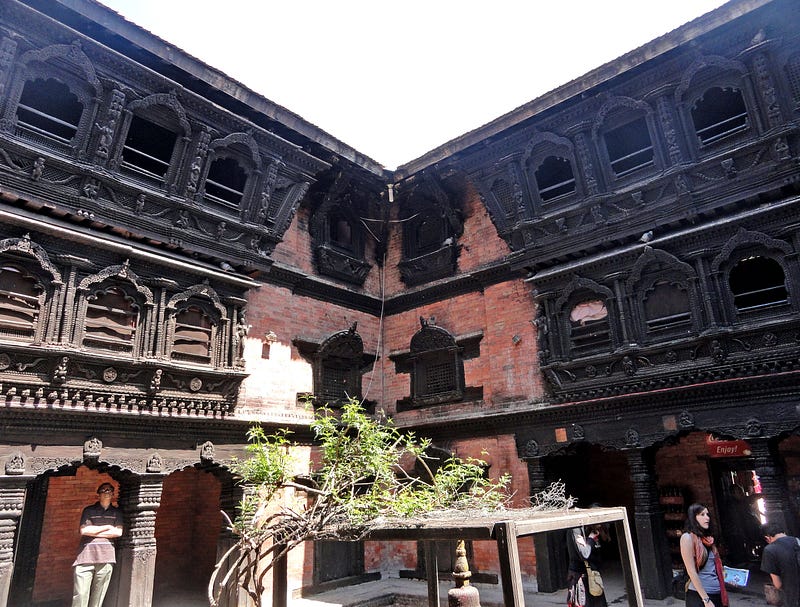
A young girl and her family live in the temple and occasionally, when she feels like it, will give audiences to the people.
This living goddess is chosen by committee at the age of 3 ½ to 4 years old and a new one takes over once she reaches puberty, and the “old” one returns to a normal life. There are 32 requirements. The most important are that she must be a virgin, have no scars, be brave and bold, come from a Buddhist family (even though she is a Hindu goddess), she must have physical strength and talent. She’s supposed to have “a neck like a conch shell, a body like a banyan tree, eyelashes like a cow, thighs like a deer, a chest like a lion and a voice soft and clear like a duck’s.”
Hundreds of children gather for the competition. It’s an overwhelming experience for these young girls, but if they cry or cling to their parents, they are automatically disqualified because they are not considered brave and bold enough.
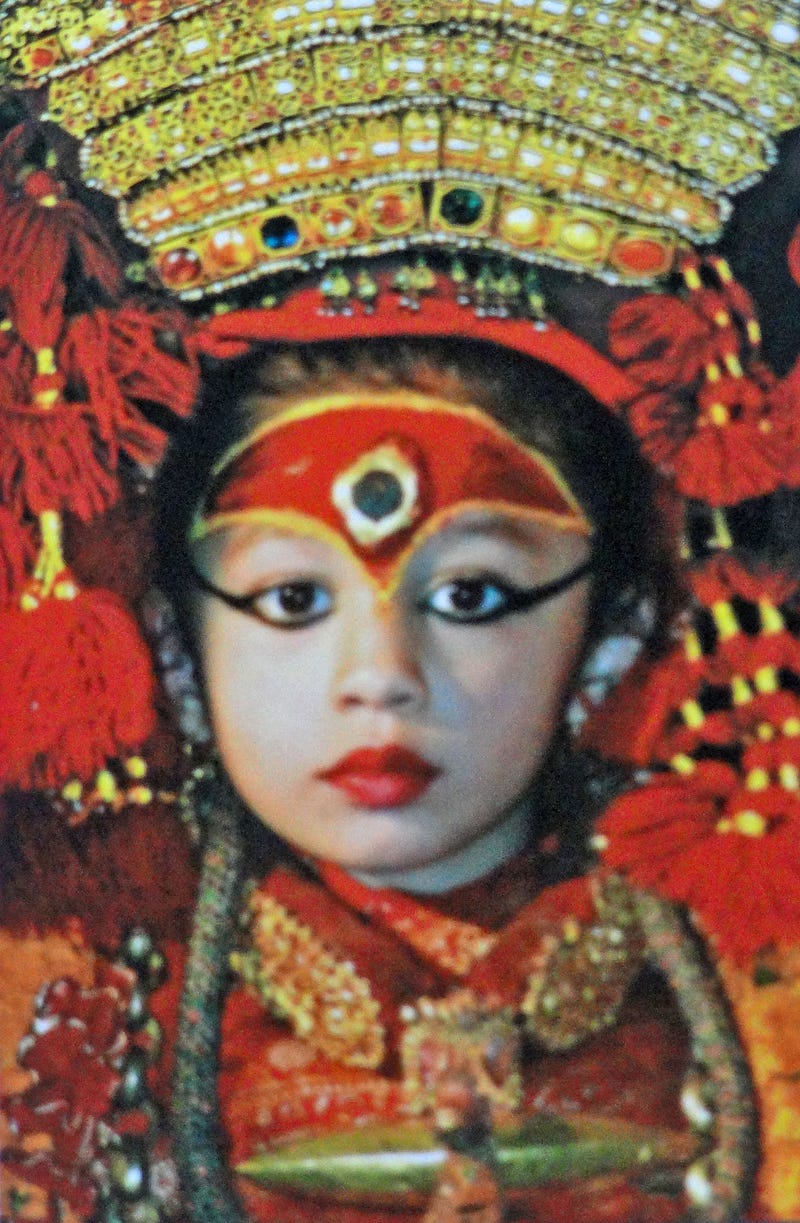
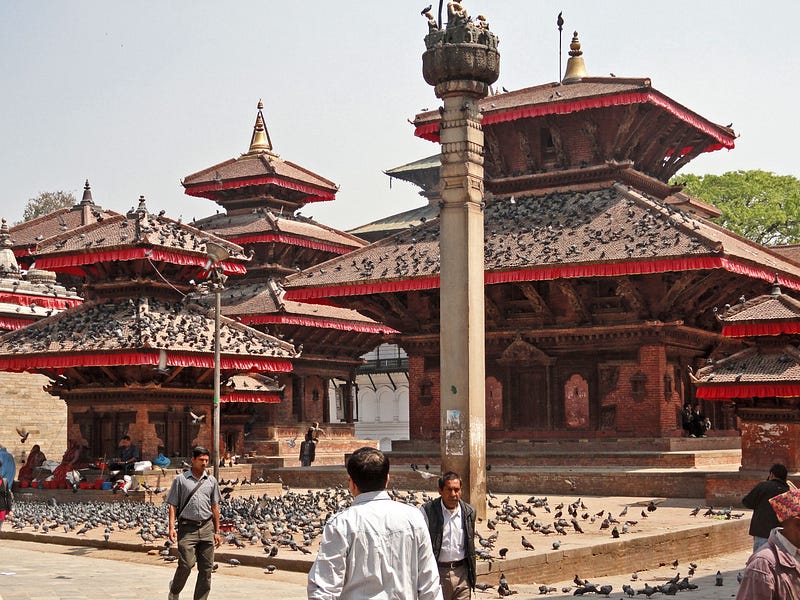
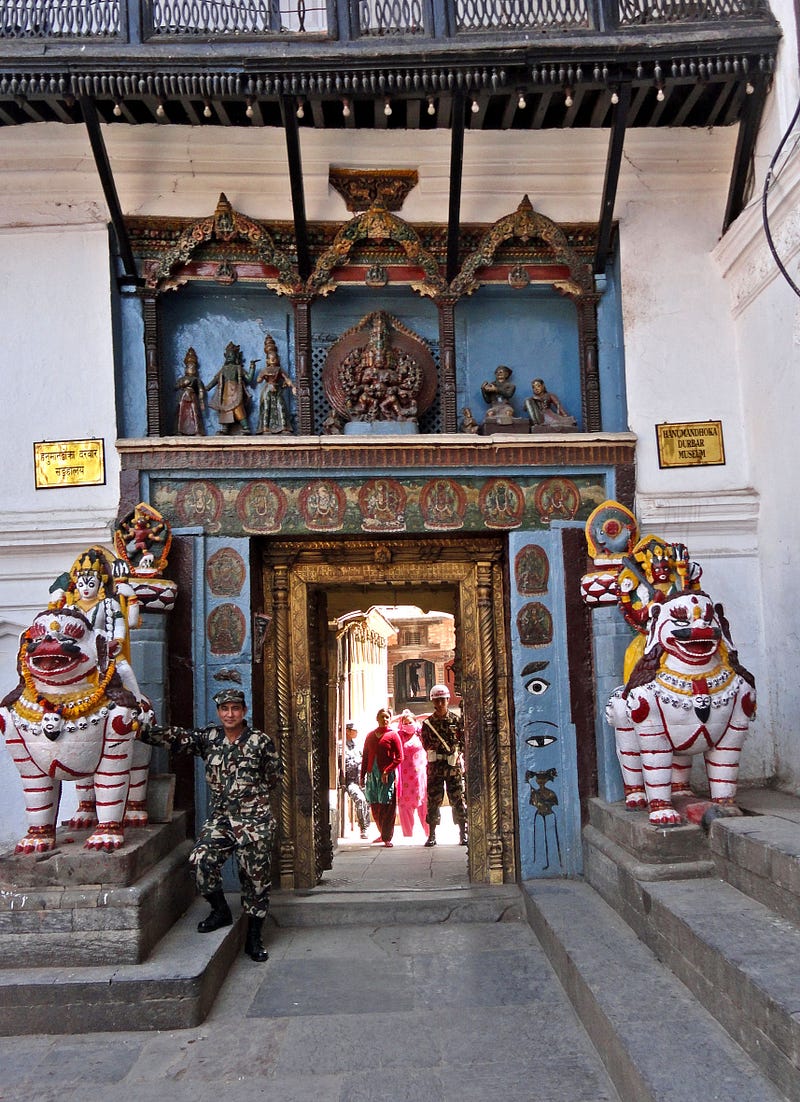
We also saw the former King’s palace that is now a museum in Hanuman Dhoka Durbar Square, as well as numerous 15th century buildings and temples scattered around the square, and one temple dating back to the 11th century.
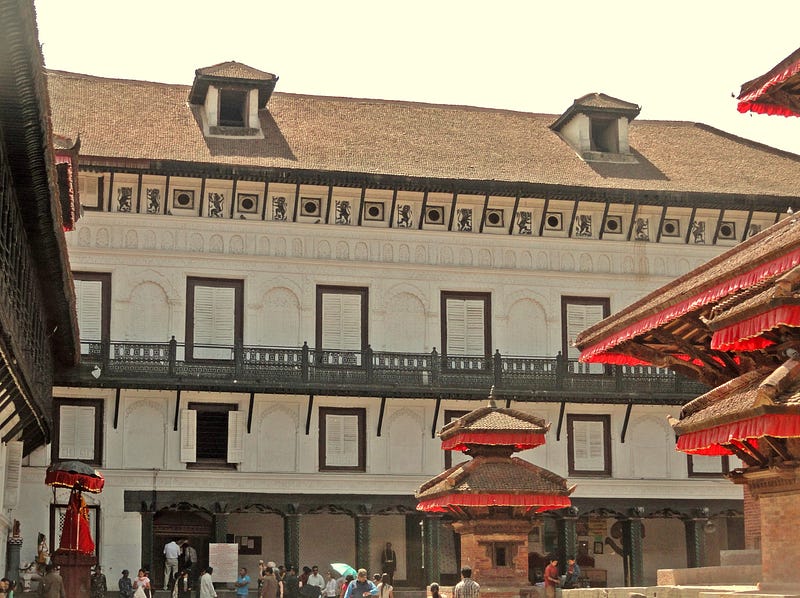
My favorite is the 16th century Jagannath Temple that features erotic Kama Sutra relief carvings.
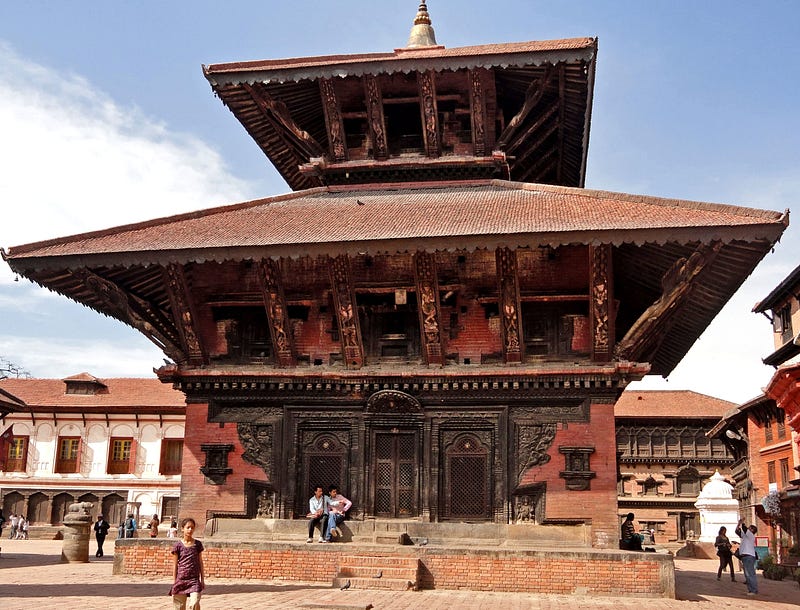
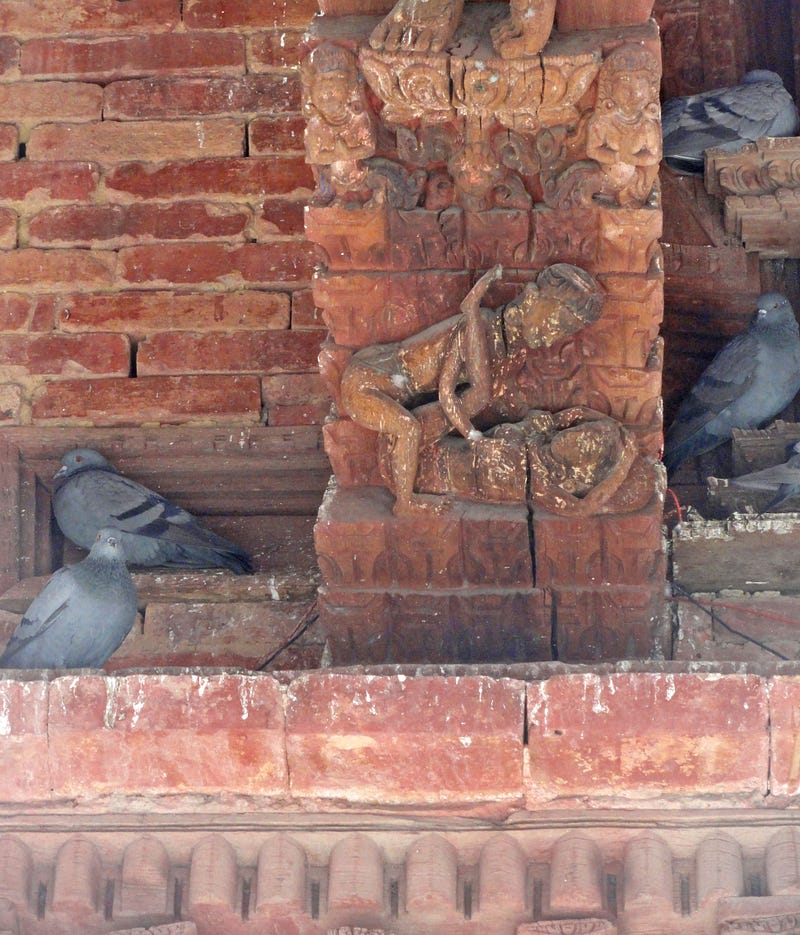
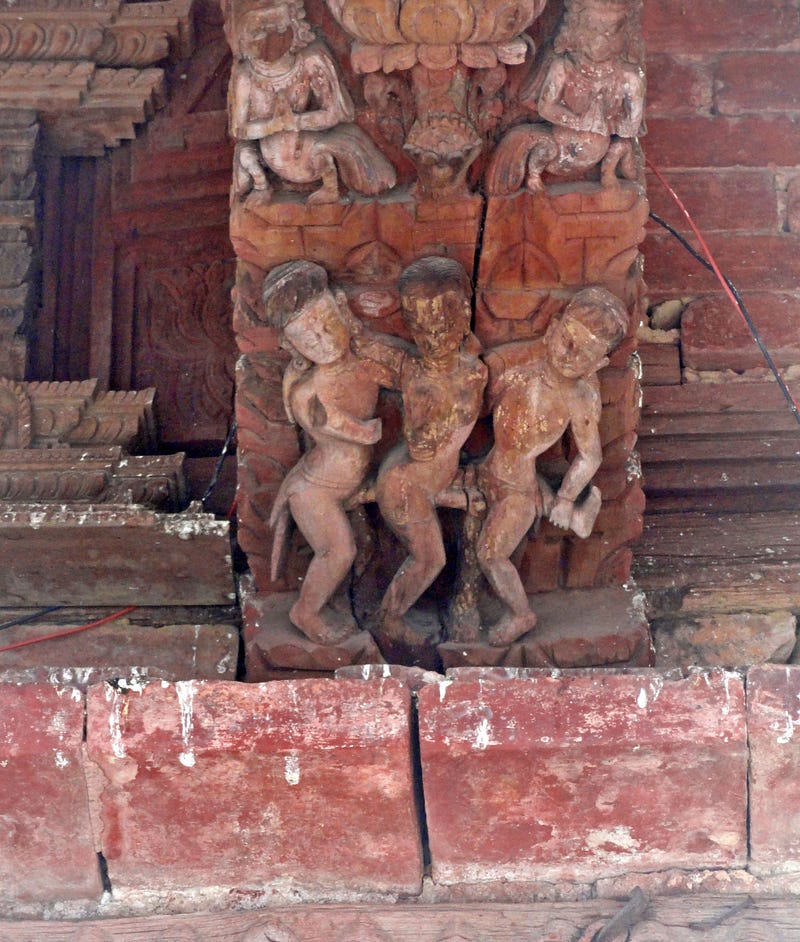
We also visited the Kaasthamandap temple, considered one of the most important buildings in Nepal, which Kathmandu was named after.
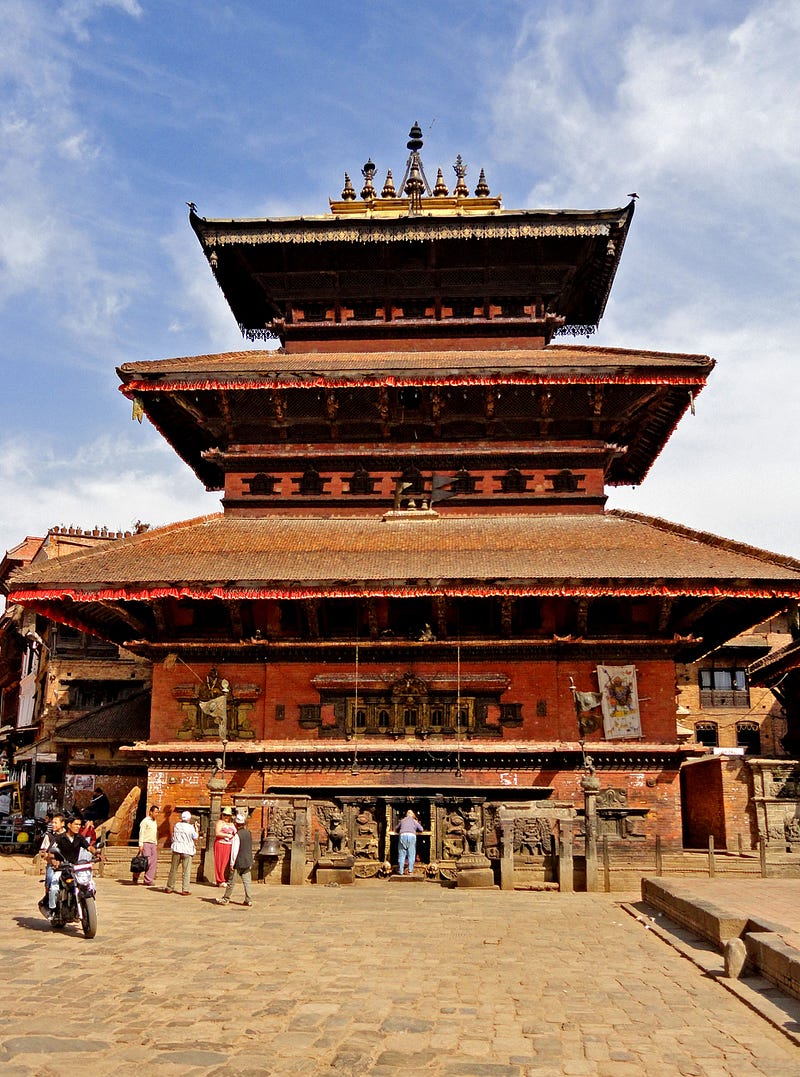
For someone who comes from Canada (with only a few buildings in the entire country dating back to the 17th century) it was simply astounding to see so much history. Especially when you consider that Nepal is in an earthquake zone.
We visited Patan, a large city just across the river from Kathmandu which is almost as big and is much older than Kathmandu. It dates back to 43BC but just to make it confusing, it is also known by the Hindu name Lalitpur or the Fine Arts City. It is where most of the exquisite Nepalese arts and crafts you see being sold in Kathmandu are created.
On our second day of touring we got up early to try to get a peek at the Himalayas before the midday clouds and smoky fog rolled in. We drove to the small town of Nagarkat where most tourists are dropped off.
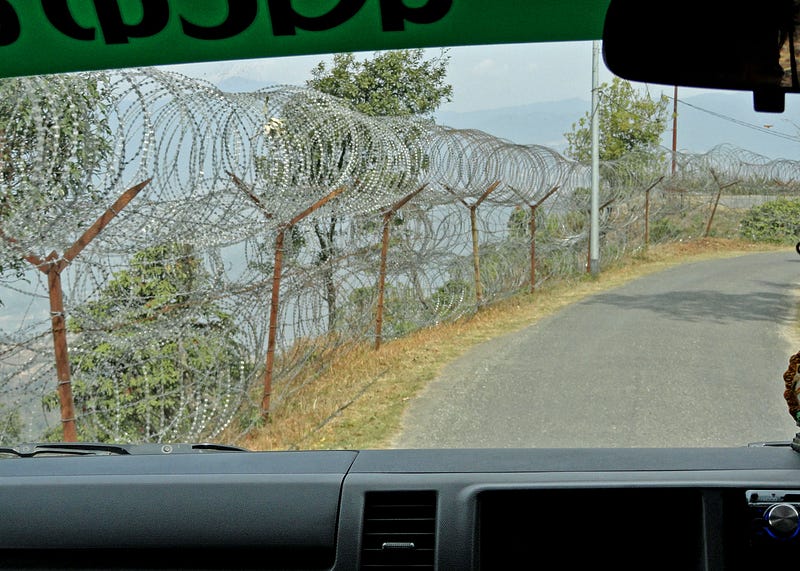
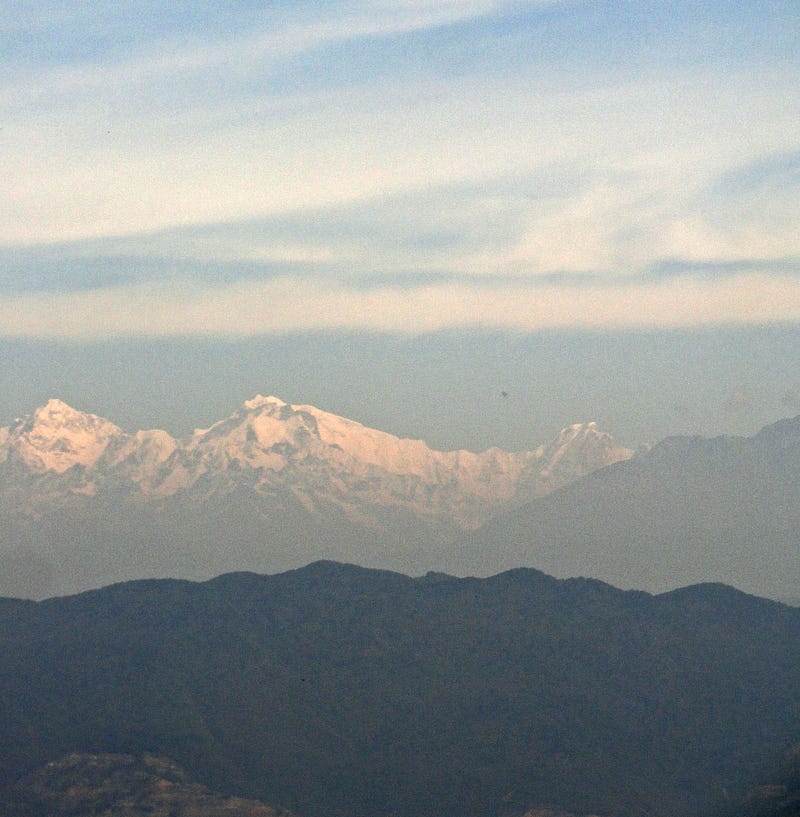
Instead we continued to drive up the winding mountain road, past the army range to Point Zero and were treated to a spectacular view of the snow-capped mountains in the distance.
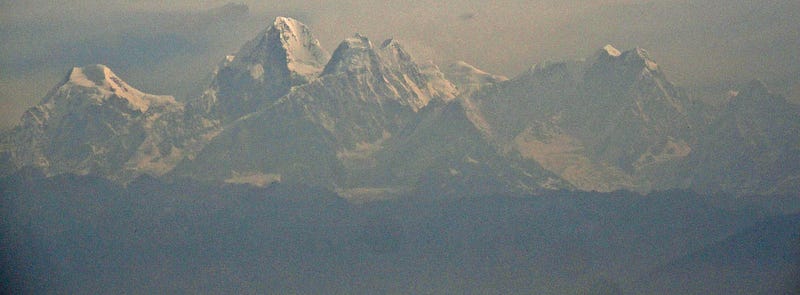
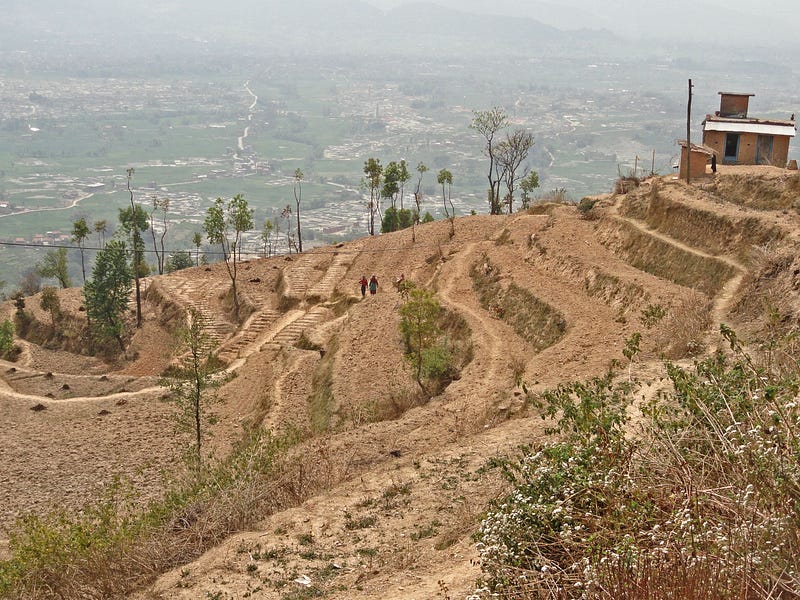
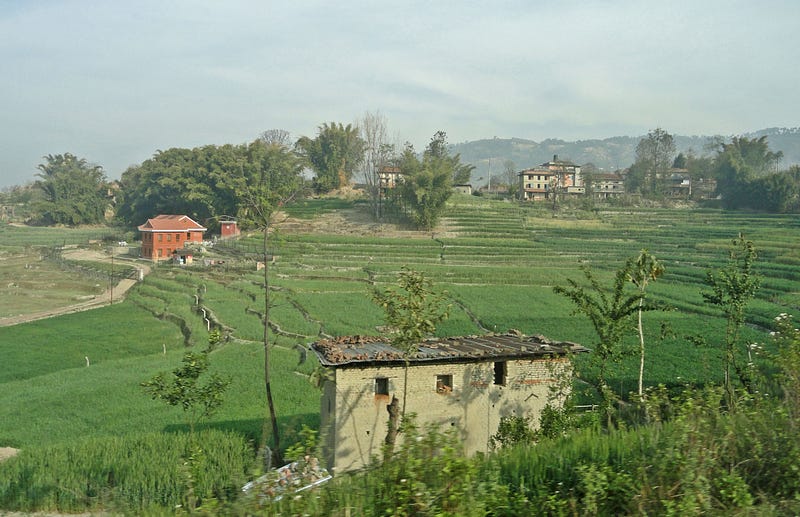
It was still too foggy to see the peak of Mount Everest, 172km away as the crow flies. But laid out before us were green valleys with stepped farm fields, small villages framed by the smaller Maltovar Mountains with the Himalayas beyond.
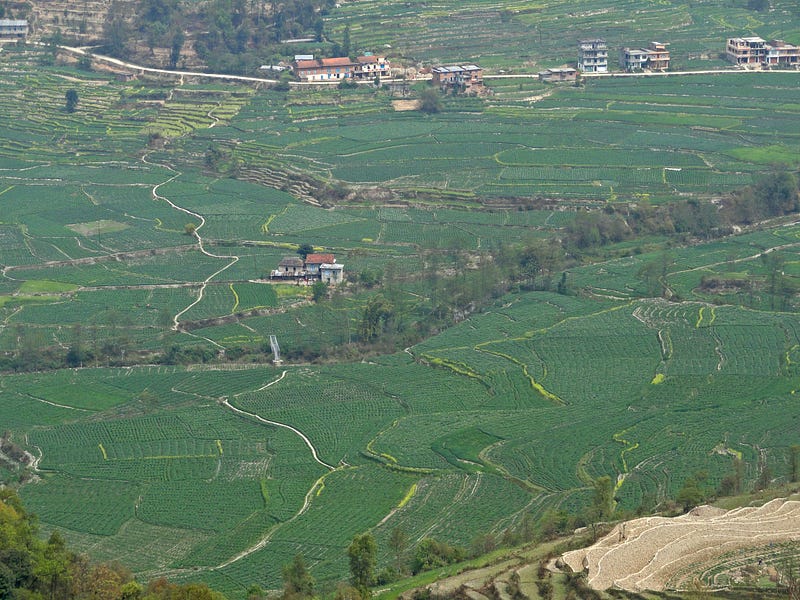
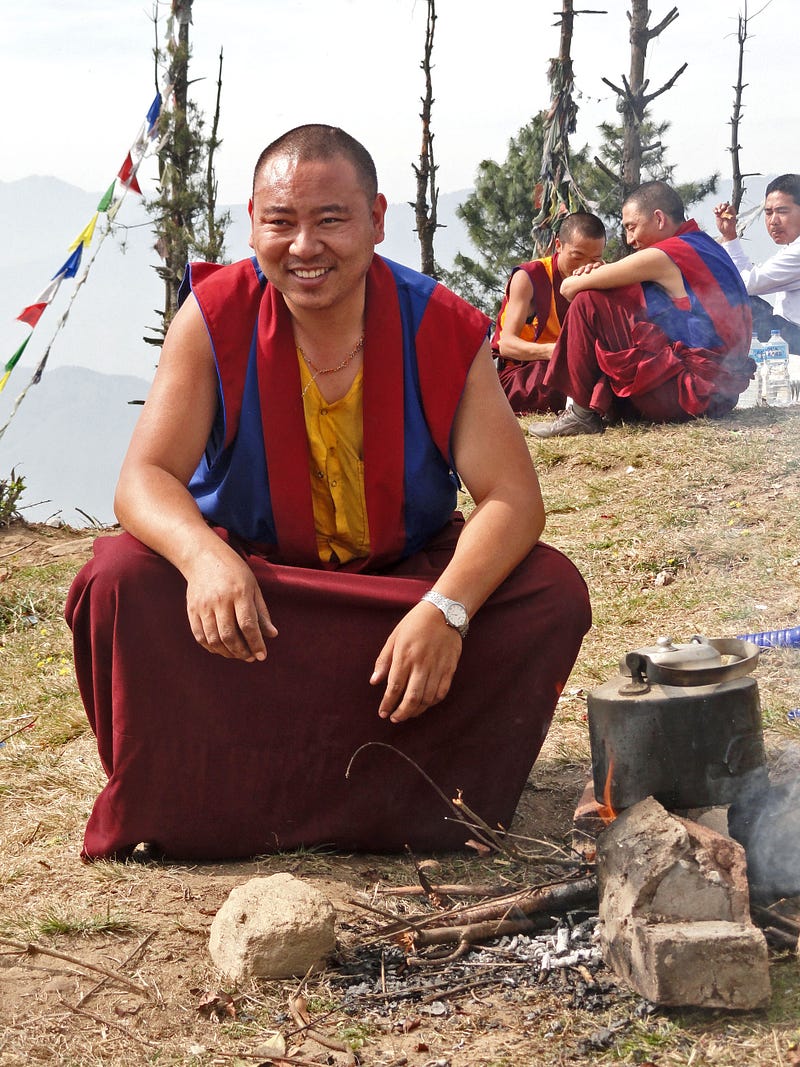
There was also a team of soldiers doing their bit for the environment by collecting tons of trash that was strewn around the forest. There were also a few Buddhist monks at Point Zero, cooking tea over an open fire.
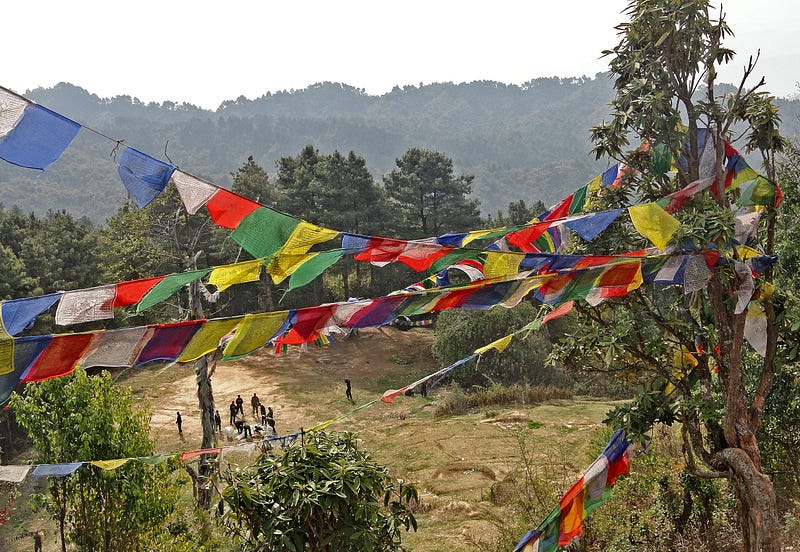
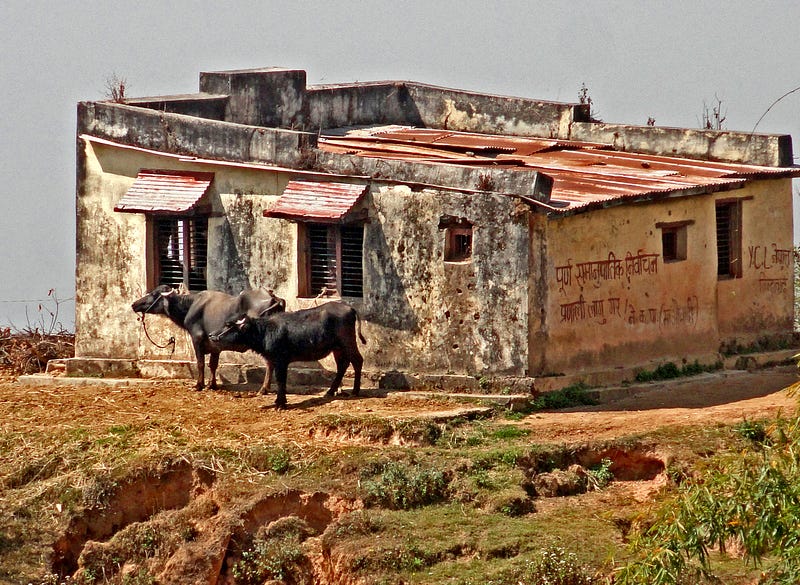
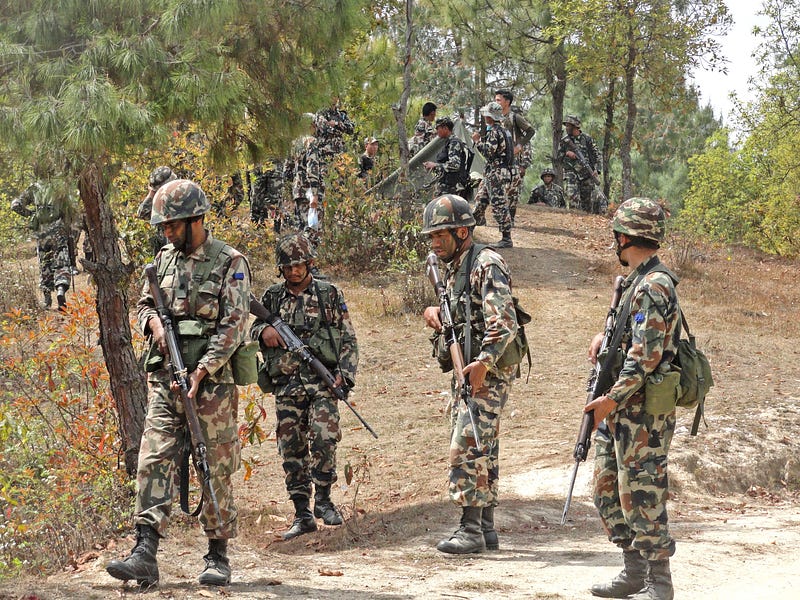
We went on a 2 ½ + hour hike that was refreshing after all the smog and smoke we had encountered. We saw rural life in the valley as it has been for decades, if not hundreds of years. There were hills to climb but the views were well worth it. We encountered a battalion of soldiers out on manoeuvres, who of course were a little camera shy.
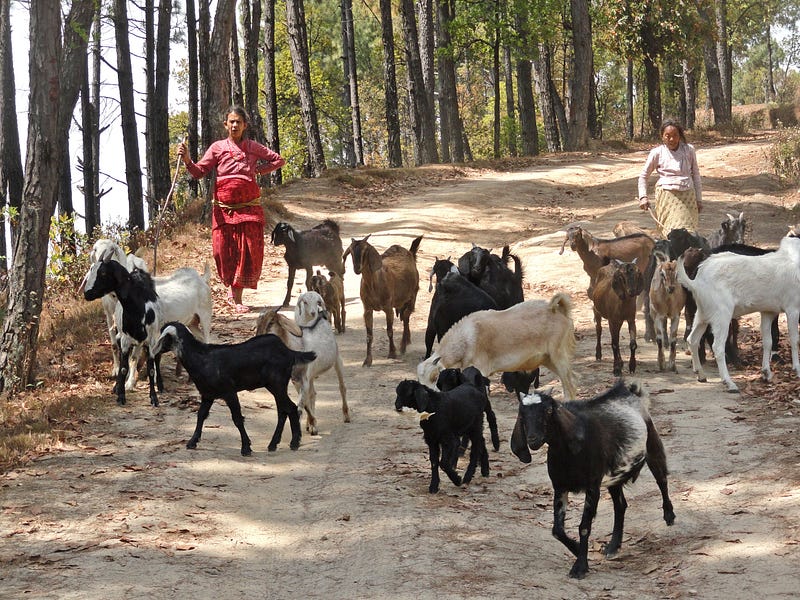
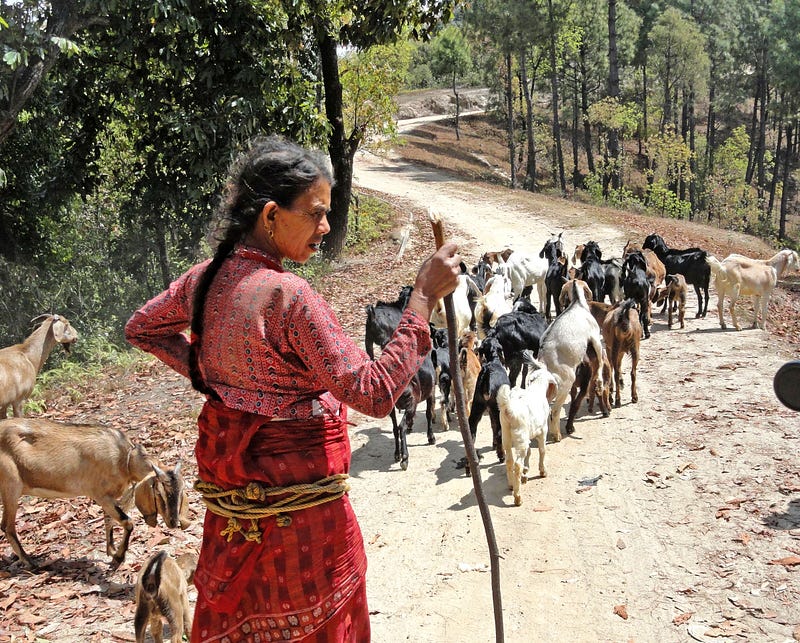
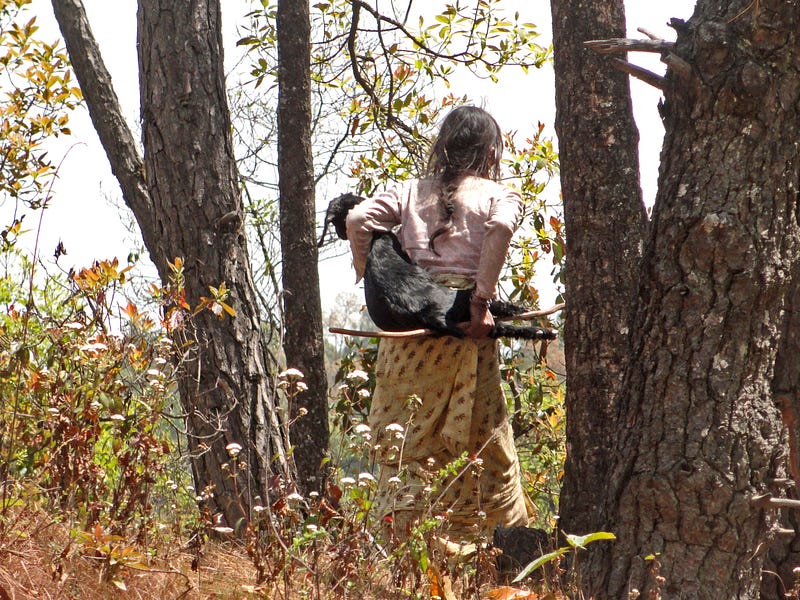
At one point we ran into a family herding their goats down a mountain path when suddenly one of the kids took off running toward us in the other direction. The woman gave chase but wasn’t getting close so we joined in to try to the catch the elusive goat. But whenever the woman would get close she would hit the goat with her stick making it run again. We told her “No Hit… don’t hurt the goat.” When she finally got the message we managed to catch the goat and she threw it over her back and headed back to the herd.
Before we left we managed to squeeze in a quick visit to the nearby city of Bhaktapur where we wandered among the ancient buildings and shops before heading back to Kathmandu.
Our visit to Nepal and Kathmandu was far too short, just two days, but I hope to return to spend more time exploring the country outside the city.
Despite the pollution and big city problems, Kathmandu and Nepal are near the top of my list for places to come back to… truly a spiritual part of the world, no matter what beliefs you follow.
Thank you for reading. For more of my favorite travel destinations, you can check out my list of stories:


