avatarAvi Kotzer

Free AI web copilot to create summaries, insights and extended knowledge, download it at here

3600

Abstract

nd. In this case, a mound of stratified drift. I know that for many geologists it doesn’t get more exciting than this:</p><figure id="e111"><img src="https://cdn-images-1.readmedium.com/v2/resize:fit:800/0*bXiBueJ4zPV_8Ow3.jpg"><figcaption>Photo by Jo Suderman, NPS</figcaption></figure><p id="8010">That’s clearly not remotely related to the photo I picked for today’s word. Well, okay, there is a tree in both, and some land. But for those in the know, the drawing of the house on an island is much more exciting than a glacier. For those who don’t recognize it (like me), I was hoping to attract more attention by using the illustration than the photo of a barren hill.</p><p id="2448">If you’re still reading, it worked. Just keep scrolling down slowly to find out exactly who owns that island property.</p><p id="d633">In the meantime, I’ll briefly discuss <i>kames</i>. According to the dictionary, the word comes from Middle English (northern dialect) <i>camb</i>, meaning “comb”, from Old English <i>camb, </i>and going back further past Old High German and Old Norse, we get to the Greek gomphos, meaning “tooth”, and Sanskrit <i>jambha</i>, meaning “molar” or “fang”.</p><p id="2fb1">Today <i>kame</i> is dialectical Scottish for comb and the connection to the glacial landform use seems to be that the coiner was a Scotsman named Thomas Francis Jamieson.</p><p id="ea03">Jamieson (1829–1913) was interested in biology and geology, even had a back-and-forth epistolary relationship with none other than <a href="https://www.webarchive.org.uk/wayback/archive/20070822120000/http://www.darwinproject.ac.uk/darwin/search/advanced5766.html">Charles Darwin</a>. Jamieson was best known for providing evidence about the ice ages and developing the theory of glacial isostasy, stating that the planet’s crust actually flexes under the weight of glacial ice, rebounding when the ice melts. This explained findings such as skeletons of whales thousands of years old on dry land.</p><p id="93b7">In 1862 Jamieson was elected Fellow of the Geological Society of London and, although his theories were pooh-poohed in the 19th century, they gained greater acceptance a hundred years after he postulated them.</p><p id="3211">In his 1982 <i>Glacial Geology of Northeastern Ohio, </i>George White explains:</p><blockquote id="8508"><p>“…kames were formed by meltwater which deposited more or less washed material at irregular places in and along melting ice. At places the material is very well washed and stratified; at others it is more poorly washed, with inclusions of till masses that fell from ice but were covered before they were completely washed. Kame gravels thus tend to be variable and range from fine to coarse grained and even to cobbly and boulder.”</p></blockquote><p id="f5a5">John Strong Newberry made this nice little sketch that provides great insight into what’s under the mound of the photo I included earlier.</p><figure id="27a7"><img src="https://cdn-images-1.readmedium.com/v2/resize:fit:800/0*r45VLuOI-ABjwbRP.jpg"><figcaption>Screenshotted by Iva Reztok</figcaption></figure><p id="b68b">If you’re interested in seeing a bunch of <i>kames</i>, the best place to do so might be southern Ontario, Canada, where there are a bunch of them together at what is known as the <a href="http://exploringniagara.exploringniagara.ca/all_about_niagara/the_geography_of_niagara/the_fonthill_kame.html"><b>Fonthill Kame</b></a>.</p><p id="3d55">That’s about all I want to delve into <i>kames</i> before moving on to…</p><h2 id="18de">Dragon balls</h2><p id="e12a">No, not testicles of mythic

Options

al fire-breathing creatures, but the Japanese media franchise created by Akira Toriyama in 1984. Wow! Has it really been that long?</p><p id="2103">Like many Japanese <b>anime</b> (animated toon), Dragon Ball began as a <b>manga</b>, or graphic novel. The plot was inspired by <i>Journey to the West</i>, a 16th-century Chinese novel (considered one of the Four Greats) about the pilgrimage of a Buddhist monk.</p><figure id="25fa"><img src="https://cdn-images-1.readmedium.com/v2/resize:fit:800/1*wVK1xc0rcNmd3vmnCniiOQ.png"><figcaption>Screenshot collage: Iva Reztok</figcaption></figure><p id="160c">As you can see, 16th-century Chinese book publishers were not very good at designing book covers. Japanese manga artists of the 20th century, however…</p><p id="9e83">Why am I talking about Dragon Ball? Because of this guy:</p><figure id="32c5"><img src="https://cdn-images-1.readmedium.com/v2/resize:fit:800/0*b56tMK5fWx4Jhwl9.jpg"><figcaption>Credit: wikipedia</figcaption></figure><p id="f146">That’s Master Roshi, riding a turtle. Roshi is a martial arts sensei whose students include Grandpa Gohan, The Ox-King, Son Goku, Krillin, and Yamcha.</p><p id="4371">Yeah, I don’t know who most of those characters are, either.</p><p id="df28">However, I did find out that, in Japanese, turtle is… kame (カメ). Aha! The dots are starting to connect!</p><p id="d1e0">Furthermore, Master Roshi lives on an island in a house known as the… Kame House. Hence the illustration at the beginning. This one:</p><figure id="2d09"><img src="https://cdn-images-1.readmedium.com/v2/resize:fit:800/0*WpFG2v9PkP-uovPC"><figcaption>Credit: dragonball.fandom.com</figcaption></figure><p id="339d">Master Roshi is also known as the Kame Sennin, translated as either “turtle sage” or “turtle hermit”.</p><p id="bb81">So… now the short header below the title <b>Kame</b> makes sense: “a glacier and a turtle hermit”. Have I mansplained enough for today? Good! My work here is done!</p><p id="476b">Yet, despite its use as both a name for an iconic cartoon house and an important geological term, the editors of the Spelling Bee puzzle decided that <i>kame </i>is a<b> <a href="https://www.merriam-webster.com/words-at-play/dord-a-ghost-word">dord</a>.</b></p><p id="9821">You can check out my previous entry on another <b>dord </b>here:</p><div id="7701" class="link-block"> <a href="https://readmedium.com/cenacle-fc9a0922946f"> <div> <div> <h2>Cenacle</h2> <div><h3>Religious sisters and literary brothers</h3></div> <div><p>medium.com</p></div> </div> <div> <div style="background-image: url(https://miro.readmedium.com/v2/resize:fit:320/1*EA5tPKwXlp9ThIiO8k7pmQ.jpeg)"></div> </div> </div> </a> </div><p id="f18c">*What the heck is a <b>dord, </b>you ask? Here’s the answer:</p><div id="dbcb" class="link-block"> <a href="https://www.merriam-webster.com/words-at-play/dord-a-ghost-word"> <div> <div> <h2>'Dord': A Ghost Word</h2> <div><h3>One of the questions people like to ask lexicographers is this: Can you sneak something into the dictionary? Can you…</h3></div> <div><p>www.merriam-webster.com</p></div> </div> <div> <div style="background-image: url(https://miro.readmedium.com/v2/resize:fit:320/0*JtTyvu98IJJ3B_Wt)"></div> </div> </div> </a> </div></article></body>

Kame

A glacier and a turtle hermit
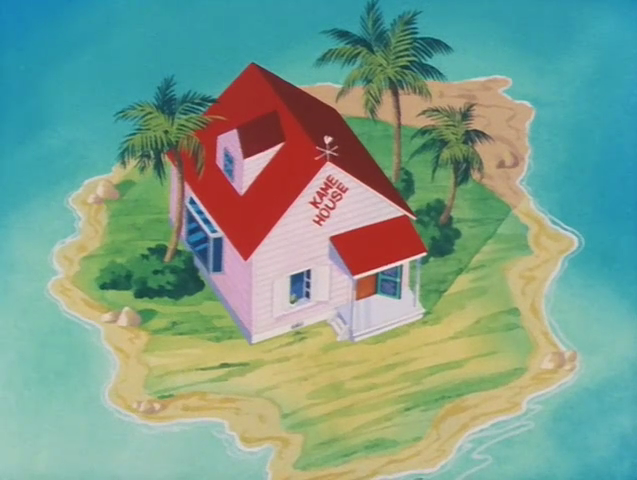
Credit: dragonball.fandom.com

Today’s New York Times Spelling Bee letters:
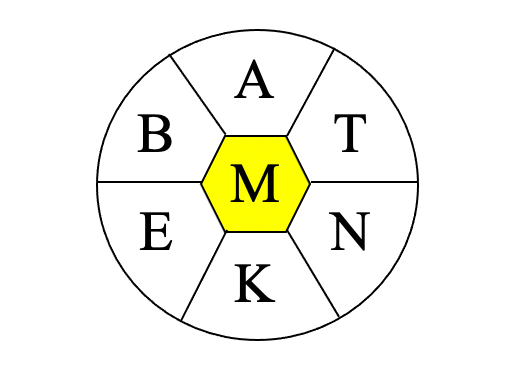
Art: Iva Reztok

A, B, E, K, N, T, and center M (all words must include M).

Merriam-Webster says…
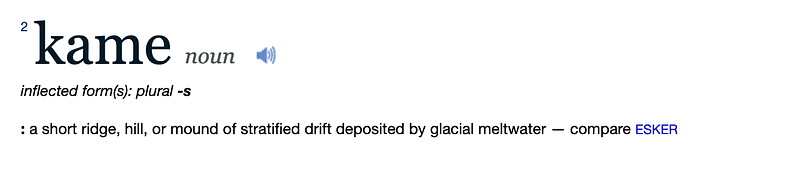
Credit: merriam-webster.com

Silly little dictionary! Don’t you know that kame can’t possibly be a word if the New York Times says it ain’t?

For further fascinating facts, check out the Spelling Bee Master.

What’s your favorite dord* from today’s puzzle?

My Two Cents

Despite the old saying “don’t judge a book by its cover”, the publishing industry has long known that covers actually matter a lot, especially when it comes to sales. Book editors not only have to deal with dwindling sales due to dwindling readership, but also competition within the ever-decreasing market.

From a writer’s perspective, the best book cover would somehow graphically summarize the life-changing content the author has just poured from their heart, along with maybe a dash of the existential angst said author suffered in doing so.

From a publisher’s standpoint, however, the best chance of selling a book is catching the reader’s eye in the bookstore, be it the brick-and-mortar type or the online ones. And how do you draw visual attention to a book? Well, by relying on the best visual cue a book had: its cover.

And since we’re on that subject, here is a list of the 10 awesome book covers. Now, B&N claims they are the best in history, but they’re doing that just to create controversy so we read their article and create twitter storm about it. Plus, they do back me up on the whole “judging books by their covers” bit, so there’s that.

At a glacial pace

Why I am rambling about book covers you ask? I mean besides the fact that I need to pad my word count to reach Medium’s “ideal reading time” of between 5 and 9 minutes.

Well, today’s word is kame, which as an accepted lower-case noun in the dictionary refers to the not-so thrilling movement of glaciers and all the crap they leave behind. In this case, a mound of stratified drift. I know that for many geologists it doesn’t get more exciting than this:
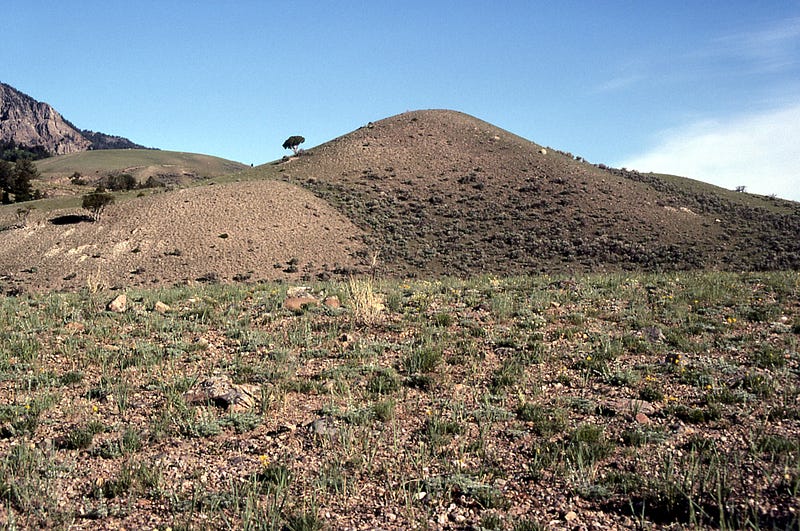
Photo by Jo Suderman, NPS

That’s clearly not remotely related to the photo I picked for today’s word. Well, okay, there is a tree in both, and some land. But for those in the know, the drawing of the house on an island is much more exciting than a glacier. For those who don’t recognize it (like me), I was hoping to attract more attention by using the illustration than the photo of a barren hill.

If you’re still reading, it worked. Just keep scrolling down slowly to find out exactly who owns that island property.

In the meantime, I’ll briefly discuss kames. According to the dictionary, the word comes from Middle English (northern dialect) camb, meaning “comb”, from Old English camb, and going back further past Old High German and Old Norse, we get to the Greek gomphos, meaning “tooth”, and Sanskrit jambha, meaning “molar” or “fang”.

Today kame is dialectical Scottish for comb and the connection to the glacial landform use seems to be that the coiner was a Scotsman named Thomas Francis Jamieson.

Jamieson (1829–1913) was interested in biology and geology, even had a back-and-forth epistolary relationship with none other than Charles Darwin. Jamieson was best known for providing evidence about the ice ages and developing the theory of glacial isostasy, stating that the planet’s crust actually flexes under the weight of glacial ice, rebounding when the ice melts. This explained findings such as skeletons of whales thousands of years old on dry land.

In 1862 Jamieson was elected Fellow of the Geological Society of London and, although his theories were pooh-poohed in the 19th century, they gained greater acceptance a hundred years after he postulated them.

In his 1982 Glacial Geology of Northeastern Ohio, George White explains:

“…kames were formed by meltwater which deposited more or less washed material at irregular places in and along melting ice. At places the material is very well washed and stratified; at others it is more poorly washed, with inclusions of till masses that fell from ice but were covered before they were completely washed. Kame gravels thus tend to be variable and range from fine to coarse grained and even to cobbly and boulder.”

John Strong Newberry made this nice little sketch that provides great insight into what’s under the mound of the photo I included earlier.
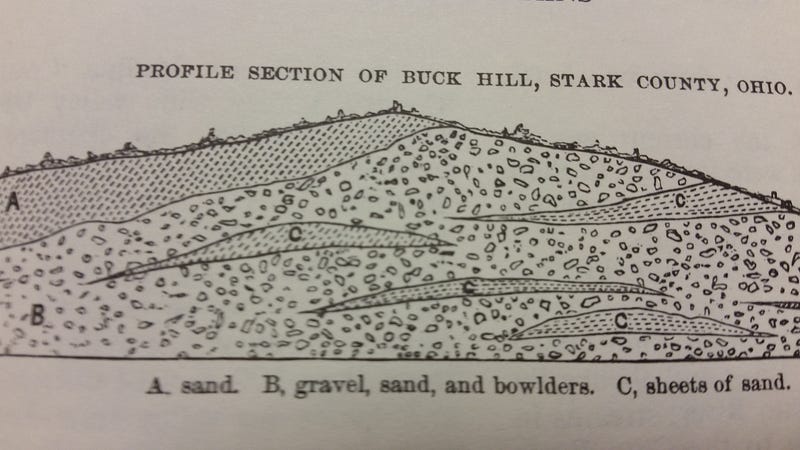
Screenshotted by Iva Reztok

If you’re interested in seeing a bunch of kames, the best place to do so might be southern Ontario, Canada, where there are a bunch of them together at what is known as the Fonthill Kame.

That’s about all I want to delve into kames before moving on to…

Dragon balls

No, not testicles of mythical fire-breathing creatures, but the Japanese media franchise created by Akira Toriyama in 1984. Wow! Has it really been that long?

Like many Japanese anime (animated toon), Dragon Ball began as a manga, or graphic novel. The plot was inspired by Journey to the West, a 16th-century Chinese novel (considered one of the Four Greats) about the pilgrimage of a Buddhist monk.
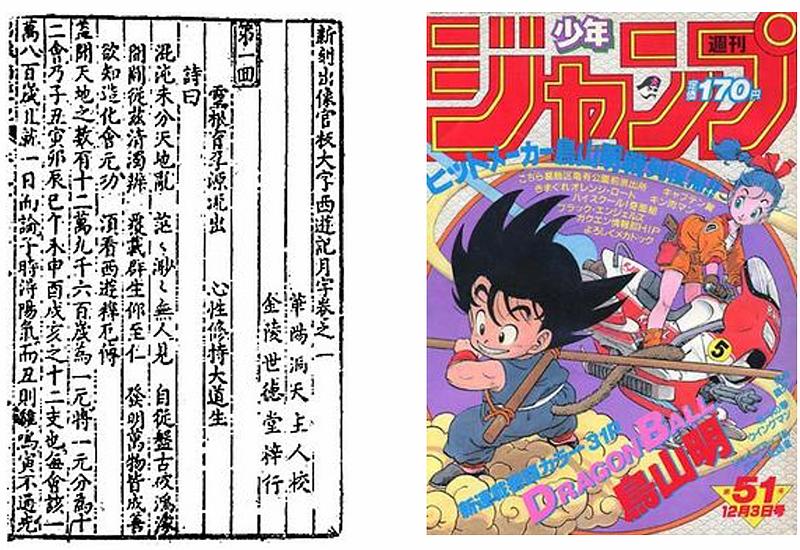
Screenshot collage: Iva Reztok

As you can see, 16th-century Chinese book publishers were not very good at designing book covers. Japanese manga artists of the 20th century, however…

Why am I talking about Dragon Ball? Because of this guy:
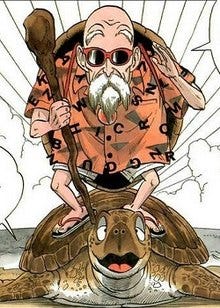
Credit: wikipedia

That’s Master Roshi, riding a turtle. Roshi is a martial arts sensei whose students include Grandpa Gohan, The Ox-King, Son Goku, Krillin, and Yamcha.

Yeah, I don’t know who most of those characters are, either.

However, I did find out that, in Japanese, turtle is… kame (カメ). Aha! The dots are starting to connect!

Furthermore, Master Roshi lives on an island in a house known as the… Kame House. Hence the illustration at the beginning. This one:

Credit: dragonball.fandom.com

Master Roshi is also known as the Kame Sennin, translated as either “turtle sage” or “turtle hermit”.

So… now the short header below the title Kame makes sense: “a glacier and a turtle hermit”. Have I mansplained enough for today? Good! My work here is done!

Yet, despite its use as both a name for an iconic cartoon house and an important geological term, the editors of the Spelling Bee puzzle decided that kame is a dord.*

You can check out my previous entry on another dord* here:

*What the heck is a dord, you ask? Here’s the answer:

Language
Science
Anime
TV
Spelling Bee
Recommended from ReadMedium