avatarDonna L Roberts, PhD (Psych Pstuff)

Free AI web copilot to create summaries, insights and extended knowledge, download it at here

2633

Abstract

re often related to age. In general, genetic contributions tend to be the strongest at the beginning and end periods of the life cycle and environmental contributions the strongest in the middle years (Huston-Stein & Baltes, 1976).</p><figure id="433f"><img src="https://cdn-images-1.readmedium.com/v2/resize:fit:800/1*oRB1JMshOFuSGOKJj8ERAw.jpeg"><figcaption>Photo by <a href="https://unsplash.com/@nci?utm_source=unsplash&amp;utm_medium=referral&amp;utm_content=creditCopyText">National Cancer Institute</a> on Unsplash</figcaption></figure><p id="67c6">The nature-nurture relationship also varies in relative contribution depending upon the specific aspect under consideration. Some conditions, such as relatively severe abnormalities, especially those that are chromosome and gene-linked, can be only minimally influenced by environmental factors. Chromosome abnormalities include such conditions as Down’s Syndrome, Klinefelter, Syndrome and Fragile X Syndrome. Gene-linked abnormalities include Phenylketonuria (PKU), Sickle-cell Anemia, cystic fibrosis, Huntington’s disease, Spina Bifida and Tay-Sachs disease. While the quality of life of the individual may be improved, the effects of these severe conditions cannot be significantly impacted or reversed by an enriched environment.</p><p id="346a">Clearly, the genetic component exerts the majority of the control in these circumstances. The effect of the environment can play a role in such areas as proper nutrition, adequate medical care and proper facilities for existing handicaps to the point of maximizing the individual’s capacity within the limits imposed by the abnormality. Certainly, individuals who maintain a proper diet, receive high quality medical care and have surroundings that maximize their functionality will typically fare better than individuals with the same abnormalities living in an impoverished environment. However, no amount of environmental enrichment will be able to completely bridge the gap toward normal functioning.</p><p id="51fa">Regarding other areas of development (i.e., intelligence, temperament, emotionality, mental health, etc.) environment interacts with the hereditary predisposition to determine whether or not the inherited tendency will manifest. Among these characteristics, environment can impact the individual positively or negatively. For example, the expression of a hereditary predisposition toward the development of depression depends upon the individual’s environmental circumstances. Similarly, the expression of a genetic tendency toward intelligence can be supported by an enriched environment or suppresse

Options

d by an impoverished, environment lacking in stimulation. In essence, the degree of environmental impact depends upon the individual’s genetic endowment.</p><p id="6a23">References</p><p id="cc20">Huston-Stein, A., & Baltes, P.B. (1976). Theory and methods in life-span developmental psychology: Implications for child development. In K. W. Reese (Ed.), <i>Advances in child development and behavior. </i>New York: Academic Press.</p><p id="f6a9">Plomin, R., Reiss, D., Hetherington, E. M., & Howe, G. W. (1994). Nature and nurture: Contributions to measures of the family environment. <i>Developmental Psychology, 30, 32–43.</i></p><div id="8d61" class="link-block"> <a href="https://readmedium.com/objects-in-our-rear-view-mirror-a3e3e31d7b4d"> <div> <div> <h2>Objects in Our Rear View Mirror</h2> <div><h3>“But it was long ago, and it was far away</h3></div> <div><p>medium.com</p></div> </div> <div> <div style="background-image: url(https://miro.readmedium.com/v2/resize:fit:320/1*SdxkkE_rjy5H8DlBPtkMWw.jpeg)"></div> </div> </div> </a> </div><div id="14ff" class="link-block"> <a href="https://readmedium.com/when-your-patient-teaches-you-a-thing-or-two-about-living-dc5e55a3f5cd"> <div> <div> <h2>When Your Patient Teaches You a Thing or Two About Living</h2> <div><h3>I believe I can fly. I believe I can touch the sky. — R. Kelly</h3></div> <div><p>medium.com</p></div> </div> <div> <div style="background-image: url(https://miro.readmedium.com/v2/resize:fit:320/1*kNiQOJ1bd-qSEYpzj4-ynw.jpeg)"></div> </div> </div> </a> </div><div id="b13f" class="link-block"> <a href="https://readmedium.com/generation-generation-generation-5948daaf5c0d"> <div> <div> <h2>Generation, Generation, Generation</h2> <div><h3>by Dr. Donna Roberts</h3></div> <div><p>medium.com</p></div> </div> <div> <div style="background-image: url(https://miro.readmedium.com/v2/resize:fit:320/1*9qQRfgIHF_nr-QlTVuuGig.jpeg)"></div> </div> </div> </a> </div><figure id="5d46"><img src="https://cdn-images-1.readmedium.com/v2/resize:fit:800/1*7pHf6lrHdRghyJHvfLPjZQ.jpeg"><figcaption>Psych Pstuff</figcaption></figure></article></body>

Just what is the Nature-Nurture debate?

And why are we still debating it?
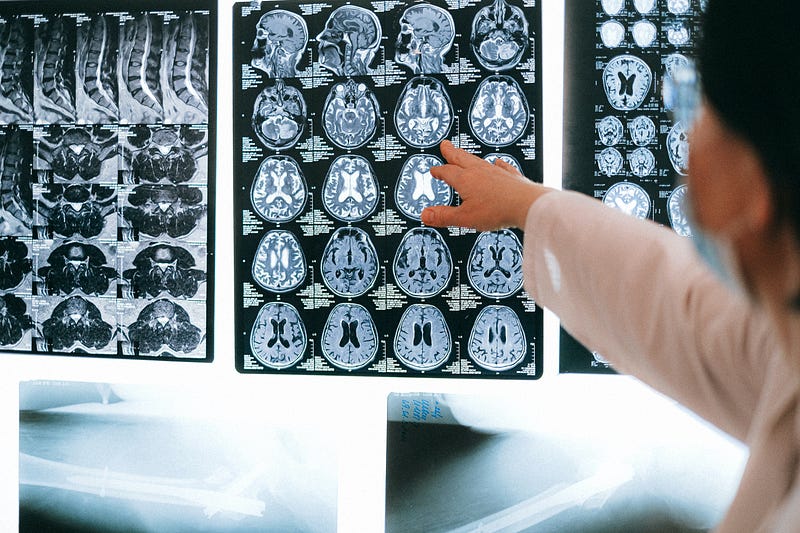
Photo by Anna Shvets from Pexels

The Nature-Nurture debate is one of the quintessential questions in psychology. The basic issue revolves around the relative contributions of heredity/genetic factors versus environmental influences, as related to the development of various psychological phenomena and the description, explanation and prediction of behavior. Nature, or the heredity component, refers to the innate, genetically carried characteristics and dispositions of an individual. Nurture refers to the many different context and environmental factors which influence the individual. Psychologists and philosophers alike have argued about the deterministic quality of one aspect over the other for centuries.

Today most modern researchers agree that a complex interaction of genetic and environmental factors accounts for both the development of a trait or behavior in an individual and the variations in a trait or behavior among individuals. Nature and nurture are inextricably intertwined. The biochemical information contained in the individual’s genes represents the units of specific genetic information on the chromosomes which provide a basic blueprint for human growth and development. Aspects of that genetic development potential may be modified, amplified or suppressed by the environment.

The way in which a genetic predisposition is expressed as a trait or behavior depends on the specific environment in which it manifests. In other words, a specific hereditary influence can have different behavioral effects in different environments. Conversely, a specific environment can have different effects on individuals with different genetic makeups. Furthermore, theorists argue that a heredity-environment correlation exists whereby “individuals inherit environments that are related or linked to their genetic propensities” (Plomin, et al., 1994, p. 35). This further complicates the interdependent relationship between heredity and environment. Additionally, the relative contributions of nature and nurture are often related to age. In general, genetic contributions tend to be the strongest at the beginning and end periods of the life cycle and environmental contributions the strongest in the middle years (Huston-Stein & Baltes, 1976).
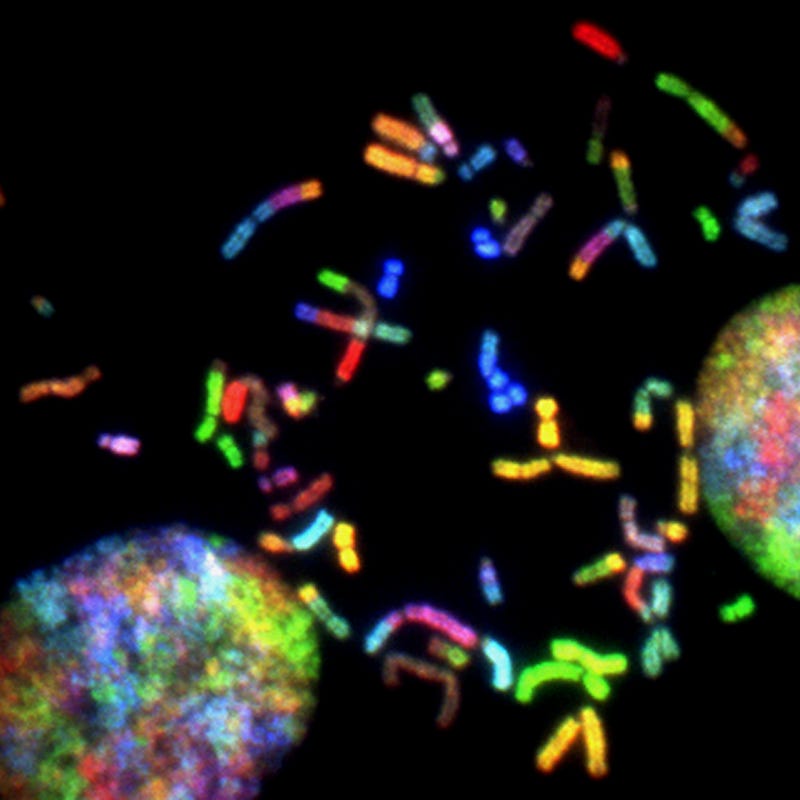
Photo by National Cancer Institute on Unsplash

The nature-nurture relationship also varies in relative contribution depending upon the specific aspect under consideration. Some conditions, such as relatively severe abnormalities, especially those that are chromosome and gene-linked, can be only minimally influenced by environmental factors. Chromosome abnormalities include such conditions as Down’s Syndrome, Klinefelter, Syndrome and Fragile X Syndrome. Gene-linked abnormalities include Phenylketonuria (PKU), Sickle-cell Anemia, cystic fibrosis, Huntington’s disease, Spina Bifida and Tay-Sachs disease. While the quality of life of the individual may be improved, the effects of these severe conditions cannot be significantly impacted or reversed by an enriched environment.

Clearly, the genetic component exerts the majority of the control in these circumstances. The effect of the environment can play a role in such areas as proper nutrition, adequate medical care and proper facilities for existing handicaps to the point of maximizing the individual’s capacity within the limits imposed by the abnormality. Certainly, individuals who maintain a proper diet, receive high quality medical care and have surroundings that maximize their functionality will typically fare better than individuals with the same abnormalities living in an impoverished environment. However, no amount of environmental enrichment will be able to completely bridge the gap toward normal functioning.

Regarding other areas of development (i.e., intelligence, temperament, emotionality, mental health, etc.) environment interacts with the hereditary predisposition to determine whether or not the inherited tendency will manifest. Among these characteristics, environment can impact the individual positively or negatively. For example, the expression of a hereditary predisposition toward the development of depression depends upon the individual’s environmental circumstances. Similarly, the expression of a genetic tendency toward intelligence can be supported by an enriched environment or suppressed by an impoverished, environment lacking in stimulation. In essence, the degree of environmental impact depends upon the individual’s genetic endowment.

References

Huston-Stein, A., & Baltes, P.B. (1976). Theory and methods in life-span developmental psychology: Implications for child development. In K. W. Reese (Ed.), Advances in child development and behavior. New York: Academic Press.

Plomin, R., Reiss, D., Hetherington, E. M., & Howe, G. W. (1994). Nature and nurture: Contributions to measures of the family environment. Developmental Psychology, 30, 32–43.

Psych Pstuff
Psychology
Genetics
Life
Science
Development
Recommended from ReadMedium