Summary
The web content contrasts the approaches, ambitions, and perceptions of the design process between junior and senior designers.
Abstract
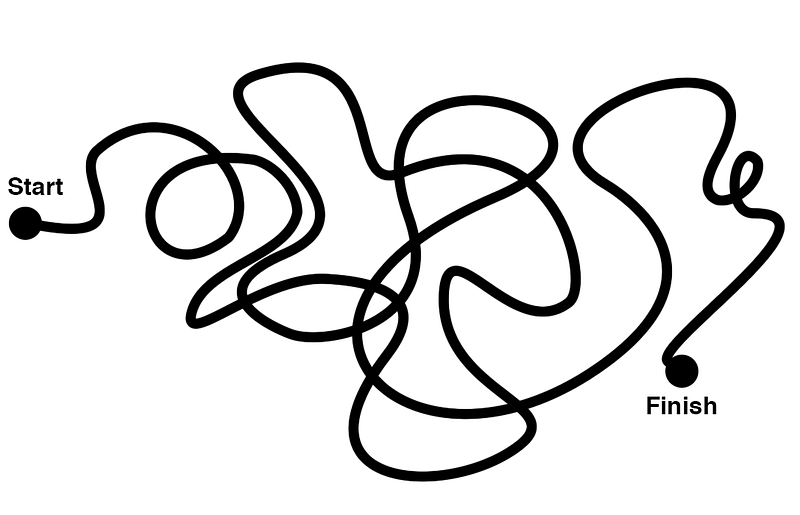
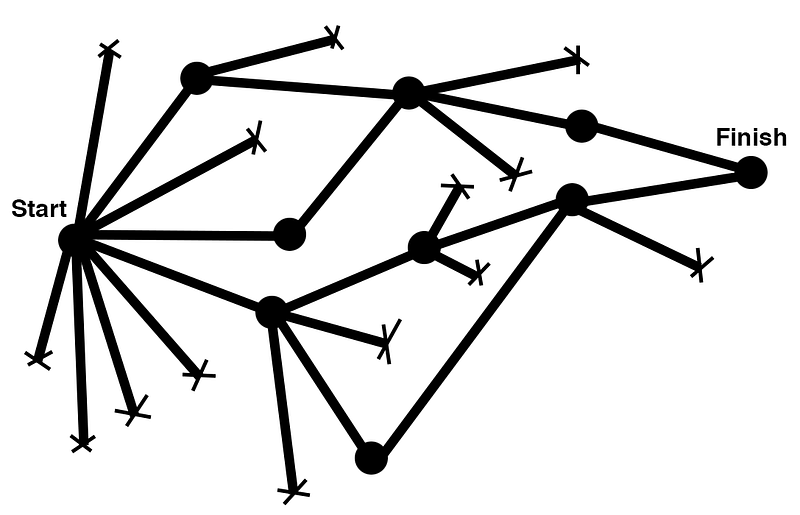
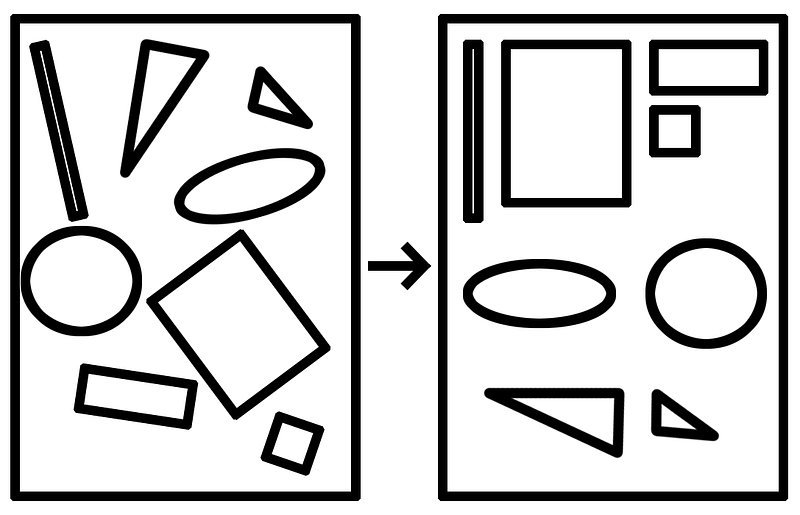
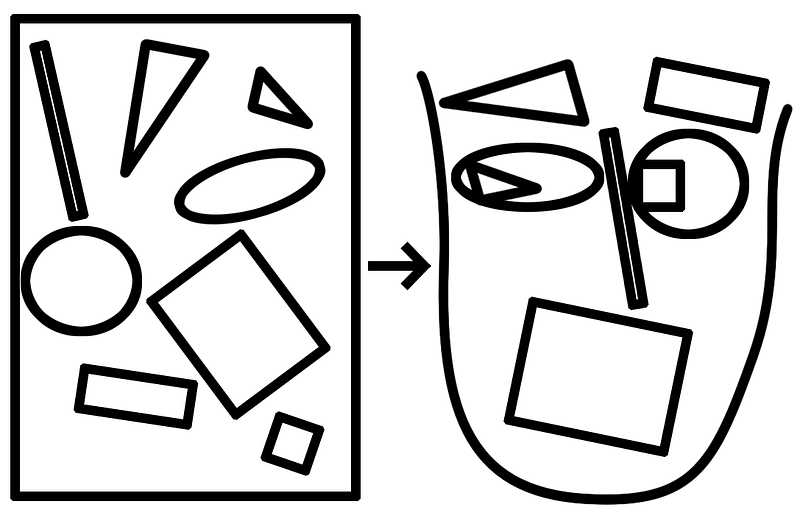
The article "Junior Designers vs. Senior Designers" uses illustrative sketches to highlight the differences in process, ambition, and understanding of design stages between junior and senior designers. Junior designers are depicted as following a chaotic, unstructured process, aiming to make things look good, and viewing design as a distant, complex discipline. In contrast, senior designers are portrayed as having a methodical approach to their work, aspiring to create new value, and recognizing that while ideas are plentiful, the true challenge lies in execution and achieving tangible results. The article also provides links to further reading on design processes and invites readers to subscribe to a weekly advice letter. Additionally, it promotes an AI service, ZAI.chat, as a cost-effective alternative to ChatGPT Plus (GPT-4).
Opinions
- The process of a junior designer is likened to following a hyperactive green fairy, suggesting a sense of disarray and lack of direction.
- Senior designers are seen as having a structured approach, with the phrase "There’s method in the madness," implying that their experience allows them to navigate complexity with purpose.
- Junior designers prioritize aesthetics, aiming to "Make it look good," which reflects a focus on surface-level aspects of design.
- Senior designers aim higher, seeking to "Make new value," indicating a deeper understanding of design's impact and potential for innovation.
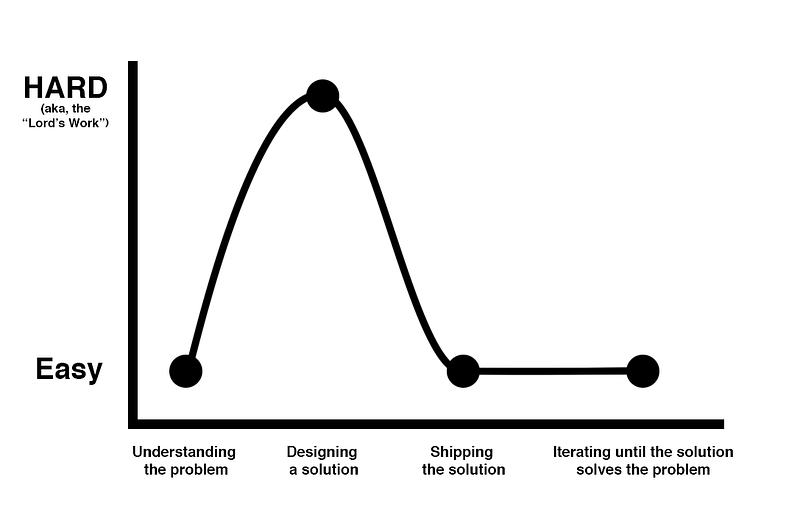
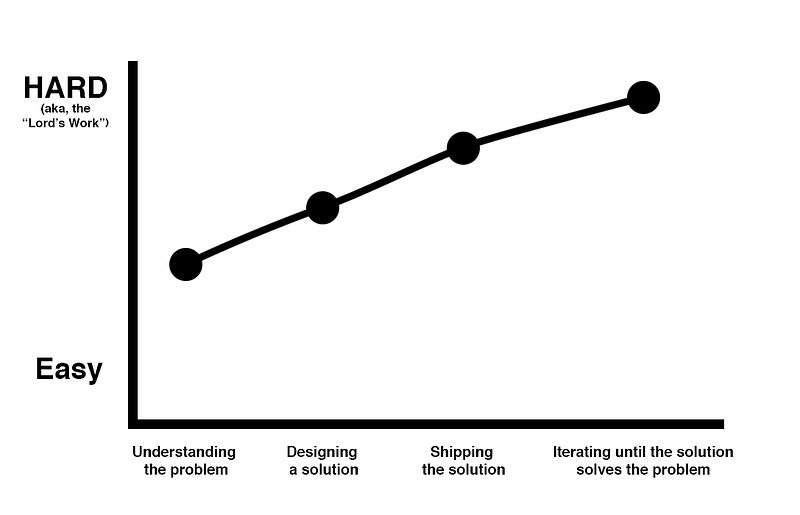
- The junior designer's view of the stages of design is depicted as an intimidating, unattainable "ivory tower," whereas senior designers understand that successful design is about more than just ideas—it's about making those ideas a reality through meticulous execution and delivering results.