


Journey into the Heart of Mongolian Culture: Exploring Throat Singing and More
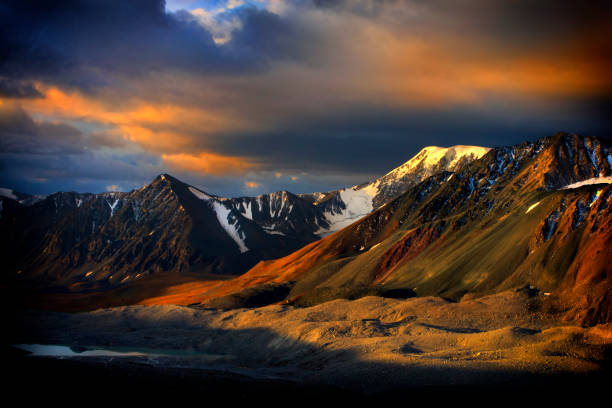
Mongolia is a landlocked country in East Asia with a rich history and culture that dates back centuries. Despite being one of the most sparsely populated countries in the world, Mongolia has a diverse and unique culture that has been shaped by its nomadic way of life, harsh environment, and historical interactions with neighboring countries.

One of the most well-known aspects of Mongolian culture is throat singing, also known as overtone singing or khöömii. This ancient form of singing involves creating multiple tones or harmonics simultaneously, resulting in a sound that is both haunting and mesmerizing. Throat singing is a deeply spiritual practice that has been passed down through generations of Mongolian herders, who use it as a way to connect with nature and the spirit world.
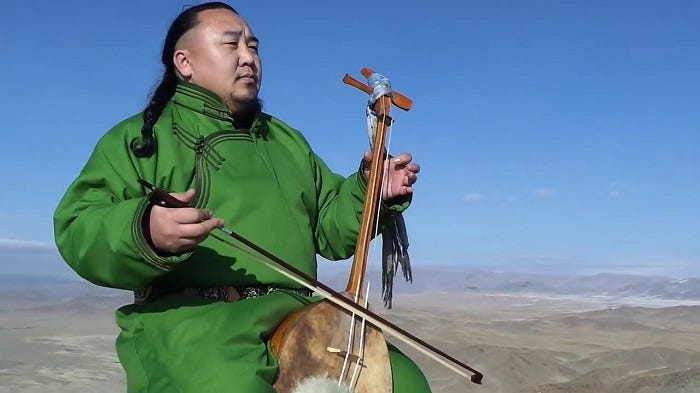
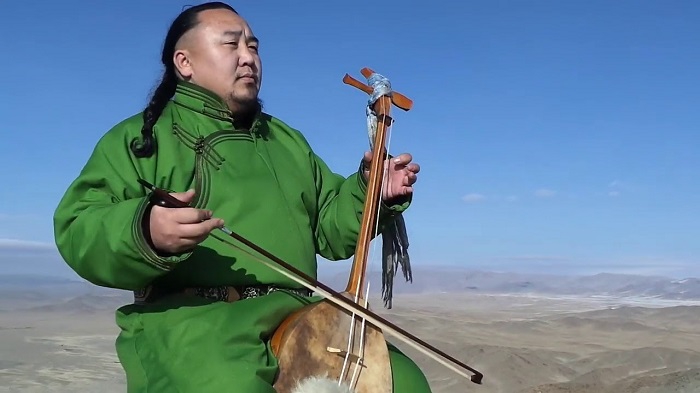
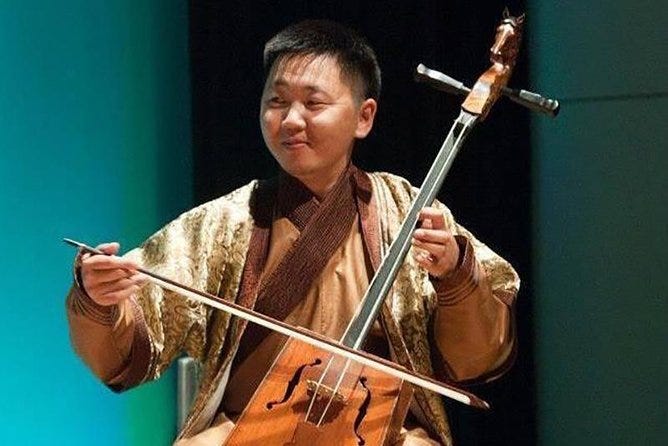
In Mongolia, throat singing is often performed in conjunction with other traditional instruments such as the horsehead fiddle (morin khuur) and the two-stringed lute (tovshuur). These instruments are often decorated with intricate carvings and are highly prized possessions, passed down from generation to generation. Traditional Mongolian music is often performed at festive occasions such as weddings, religious ceremonies, and the annual Naadam festival, where competitors showcase their skills in horse racing, archery, and wrestling.
Mongolian culture is also deeply rooted in shamanism, a spiritual practice that involves communicating with spirits and the natural world. Shamanism is an integral part of Mongolian life, and many Mongolians believe in the power of nature to heal and restore balance. Shamanism is also reflected in Mongolian art and craftsmanship, with many traditional crafts such as embroidery and carving featuring animal and nature motifs.
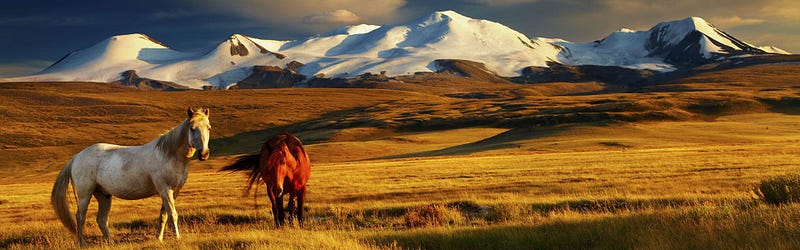
Another aspect of Mongolian culture that is closely tied to nature is horsemanship. Mongolians have a long history of horseback riding, and the horse is considered a symbol of freedom and independence. Nomadic herders in Mongolia use horses to move their homes, or gers, from place to place and to tend to their herds. Horsemanship is also a highly respected sport in Mongolia, with competitions held throughout the country. The most famous of these competitions is the Naadam festival, where skilled riders demonstrate their abilities in horse racing, archery, and wrestling.

In conclusion, Mongolian culture is a rich and diverse tapestry that has been shaped by the country’s nomadic way of life and spiritual beliefs. Throat singing, shamanism, and horsemanship are just a few examples of the many cultural practices that are deeply intertwined with nature and the spirit world. As Mongolia continues to modernize and adapt to a changing world, it is important to preserve and celebrate the unique and timeless traditions that make this country so special.

As always if you liked my article, don’t forget to clap and share!