
Jenna Marbles and the Dark Side of Cancel Culture
What happens when good intentions result in catastrophic outcomes.
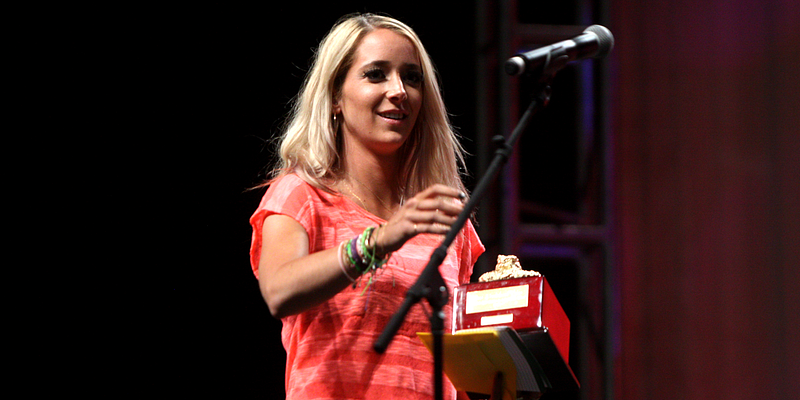
It isn’t unusual for YouTube’s top brass to be embroiled in some sort of controversy, as that has come to define the platform’s standing in popular culture. Between filming live suicide, convincing someone that their longtime best friend is dead, and paying people to hold signs saying “Death to All Jews”, gaffes by popular YouTubers aren’t exactly running in short supply. The latest round of them issued against Jenna Marbles though, couldn’t have been a further departure from the rest.
At several occasions, Marbles displayed a great deal of responsibility with the way she wielded her enormous platform. She was one of the earliest popular creators to embrace the presence of non-binary people in her audience — even before the political weathercocks swung in her favor — and there’s never been a more pronounced arc of redemption than the one she went through. She ditched YouTube’s old conventions to accommodate the political sensibilities of a modern audience and as a result, has shown great accountability regarding the subpar themes of her old content–that’s what’s being currently leveraged against her, and it’s why she’s preliminarily decided to depart the platform for good.
Oftentimes when public figures are exposed to the horrid of their prior lives, they reframe it in the context of their erstwhile ignorance. Where Marbles deviates from the norm, is she doesn’t try to make up any excuses about it–she felt compelled to go through a deep moment of self-introspection after her past has come back to haunt her, and it’s an earnest display of what a responsible individual would do with their huge platform if they feared the adverse consequences of wielding it to great harm.
But Marbles for sure didn’t have to go as far as removing herself from YouTube–while it might seem sensible to kowtow to the demands of an angry mob, what an indiscriminate application of cancel culture often disregards, is that if its goal were to improve the material conditions of all by marginalizing society’s filth, the loss of Marbles from the platform is a net negative for all involved. The Paul brothers, PewDiePie, Shane Dawson and Jeffree Star all remain amply compensated as they commodified their presence to the nth degree, but Jenna Marbles somehow doesn’t get a second chance because she’s most susceptible to calls of holding her accountable… ? That logic seems ill-considered at best.
What the goal of social exile seems to be, is to hold those responsible for harm to account. But Marbles has already channeled much of her changed attitudes into the body of her content, so it seems awfully inappropriate that she’s being punished for being bad, when most serving her such accusations are unlikely to have stayed ahead of social justice issues that far back as is often the implication. That we get to judge past actions harshly — while we disregard our own troubled history since it was occluded from public view — is a lob-sided interpretation of personal reform, and dare I say even hypocritical.
If we ask people to make honest attempts at improving themselves, while giving them every incentive not to, cancel culture will have caused more harm than good. If we continue to punish those who made an honest effort at changing the course of their lives, shown great remorse at what reprehensible charades they partook in… are we even a society that can abolish prisons and undertake the project of rehabilitative justice as we’d like to often boast? A culture that ostracizes liberally, is one ill-equipped to handle the consequences of reintegrating those who’ve committed far more heinous acts than saying the wrong things on camera.
Like Natalie ‘ContraPoints’ Wynn put it astutely in her motion-picture-length essay on cancel culture, what seems to happen is those most vulnerable have the least amount of leeway to recover, while those living in impenetrable ivory towers of prestige — like Louis C.K. and Dave Chappelle just to cite a few — get to buy back their reintegration, making the whole point of cancel culture in its current form practically moot.
The debate over cancel culture is in itself a rhetorical minefield where one side is adamant that it is absolutely necessary to the good function of society, and the other wields it as a counter-cultural bludgeon against the liberal left. Semantic quirks aside, what’s often debated are the merits of cancel culture, but rarely talked about is its affect, and how it seems to hurt those who abide by its directives more than those who don’t.
Fortunate for Marbles, the outpour of support might be enough for her to consider a more generous read of her criticisms. That withstanding, we need to have a conversation about cancel culture that is neither mired in ignorance, nor zealous opposition–the health of our public discourse depends on it.


