
Jeff Buckley — Keeping the Music Alive
A rare talent graced with an unusual gift
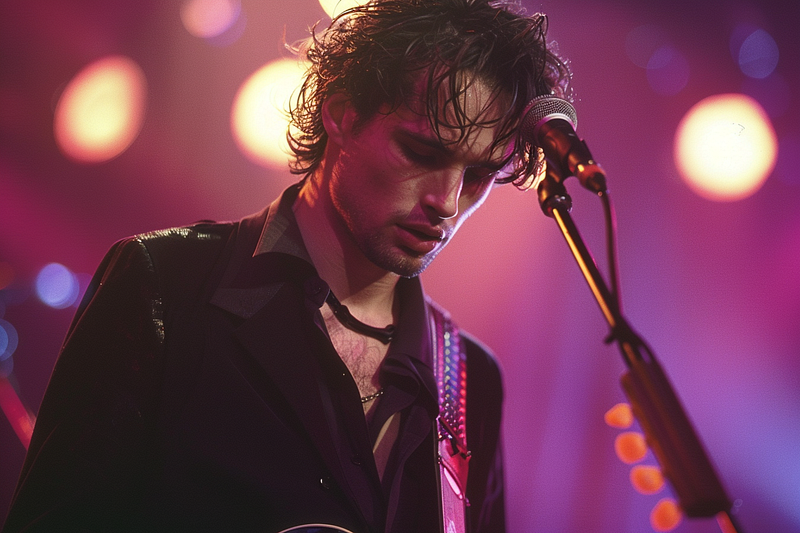
I discovered Jeff Buckley around the time of his death in the spring of 1997. Right away he captivated me. His only studio album, Grace, takes hold in a way few records do. No matter where your head is the first time you hear it, it hijacks your attention.
Mostly it’s Jeff’s voice. A four-octave tenor. Technically, it’s amazing, but that’s not why it compels. It compels because — at the risk of sounding froufrou — you hear the soul inside the notes. All the best singers are also fine actors. It’s the emoting. The interpretation. Like Sinatra before him, Buckley could sell a song. Sincerely. You felt he lived the things he was singing about. Most times, he had.
Nearly every track on Grace is terrific. Buckley’s skills as a songwriter were already far along. Jimmy Page, Robert Plant, and Brad Pitt were huge fans. No less an artist than Bob Dylan called the young musician “one of the great songwriters of the decade.” It’s a cover, however, that keeps Buckley’s memory alive. His version of Leonard Cohen’s “Hallelujah” is a transcendent standout on an already transcendent album. That recording made Time Magazine’s Top 500 Songs of all time.
Partly because Grace had not performed to expectations (it didn’t go Gold until 2002), Buckley had trouble writing the follow-up — a record he planned to call My Sweetheart the Drunk. After false starts in New York, he decamped with his band to Memphis, Tennessee. Not long after he arrived, he went for an ill-fated swim in the Mississippi River. A tugboat caught him in its wake, dragging him under and away from shore. Authorities recovered his body five days later. An autopsy showed he had no alcohol or drugs in his system.
Buckley’s label compiled his demos for “Sweetheart” and, with the partial supervision of Soundgarden’s Chris Cornell, released them as an album called Sketches for My Sweetheart the Drunk. Though it’s not as impactful as Grace, “Sketches” showcases an artist on the cusp of great things. “Everybody Here Wants You” earned Buckley a posthumous Grammy nomination for Best Male Rock Vocal. “Vancouver” is about as good a rock anthem as any you’ll find. While the record isn’t as strong as its predecessor, it was also incomplete. It’s only a glimpse into what Buckley intended.
Why all the love for a musician who’s been dead for nearly thirty years? This article seeks to keep the torch lit. Jeff Buckley’s music has given me so much over the decades, this was the least I could do. (And it’s not like the albums have grown dated. They don’t sound like relics of the 1990s. They sound like recent releases.)
But you needn’t take my word for it. Consider the artists who either loved Jeff or showed his influence. Artists like PJ Harvey; Rufus Wainwright; Aimee Mann; Juliana Hatfield; Lana Del Rey; the aforementioned Plant, Page, and Cornell; Ben Folds; Eddie Vedder; Coldplay; and Radiohead.
The videos embedded below serve as a lure for the uninitiated as well as a reminder for Buckley veterans.
This isn’t a Jeff Buckley song, but Buckley influenced the artist, a Polish singer named Dawid Podsiadło. Podsiadło gets so close to the sound of Jeff’s voice, that it’s uncanny. The track comes from the video game Cyberpunk 2077: Phantom Liberty. It got me thinking Buckley likely would have done a James Bond song. Much like his friend, the also late and great Chris Cornell.


