
Japan’s government sponsored mobile payment war
Japan has always been a largely cash based society and it is still common for small shops and restaurants to only accept cash. However, in late 2018 the government announced a plan to offer a 2 to 5 percent cash-back for those paying with a cashless service in order to accelerate the introduction of cashless payment infrastructure in time for the 2020 Olympics.
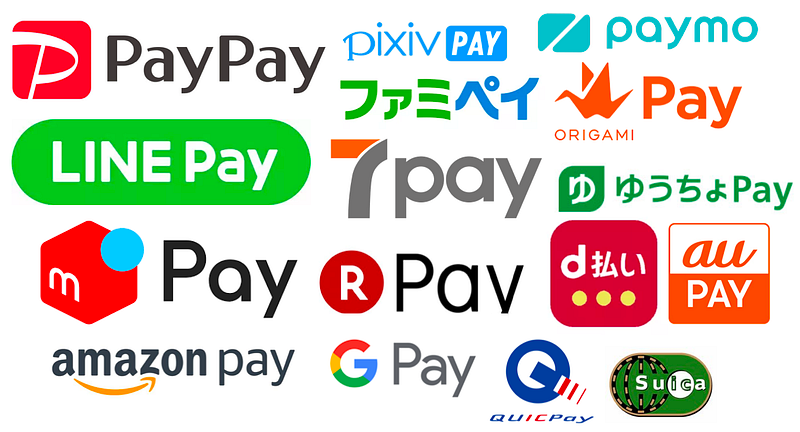
As a result, the last year has seen dozens of new mobile payment services being announced. Go to a Japanese convenience store today and you can choose to pay with over 15 different apps, such as LINE Pay, PayPay, Rakuten Pay, Merpay, Origami Pay, D Pay, Au Pay and Yuucho Pay.
Users have given them the collective nickname “nantoka-pay” (whatever-pay).
An uphill battle
The majority of the new services are Alipay/WeChat Pay copycats that use QR codes for payment, requiring the user to open an app and press a button to show their code and pay.
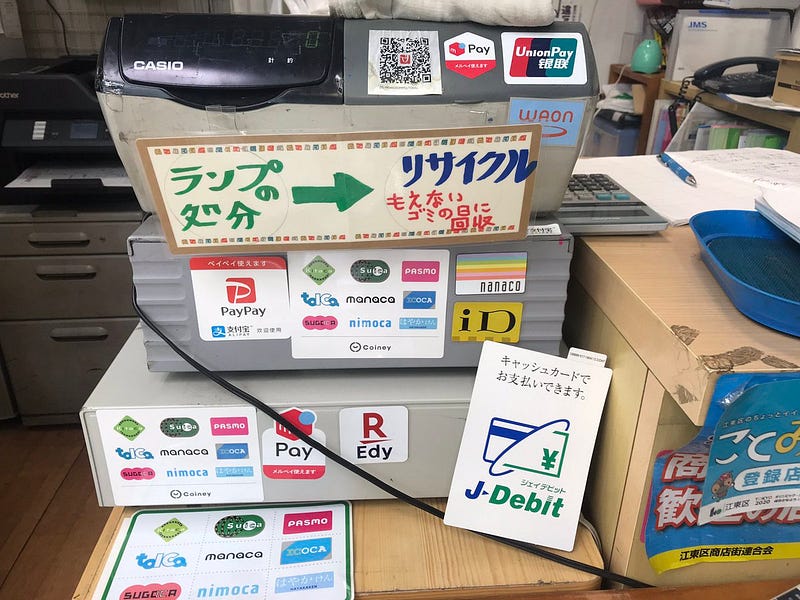
This is considered a pain in Japan, as users are used to simply touching their NFC transport cards or mobile phones at registers, which they have been doing since the early 2000s. While this is convenient for the user, merchants must pay for an expensive receiver terminal and then pay high commissions to JR (Japan Rail), meaning that only large scale businesses can afford to adopt it. JR could easily take the mobile payment crown if they subsidized their receiver terminals and further developed their contactless technology, but there is no sign of this happening.
The new QR code services face an uphill battle to create a seamless user experience and offer incentives to convince users that it is worth going to the hassle of opening an app at the register.
The 10 billion yen race to the top
Many of the new services have embarked on huge campaigns to encourage users to sign up.
The largest campaign was created by PayPay, a joint venture by Yahoo Japan and Softbank, which launched last year with a 10 billion yen (92 million USD) giveaway campaign. All payments made with PayPay received a 20% point cash back, and randomly selected users received 100% back. There was no upper price limit, which caused chaos as people lined up to buy computers and TVs in electronics stores.
The campaign was designed to last for 4 months to allow users to create a habit of using PayPay, but users took full advantage and the 10 billion yen was gone in just 10 days.
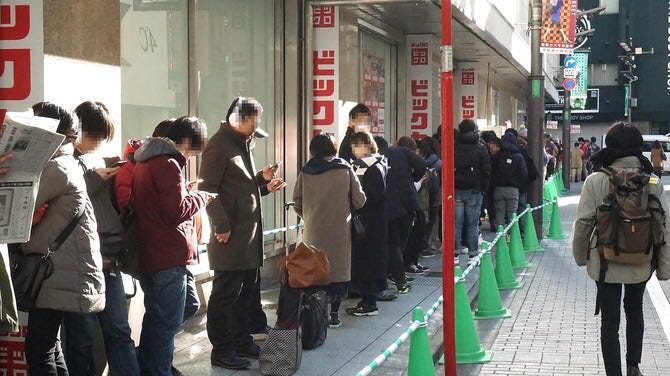
As a result of the campaign, PayPay went from 400,000 active users to 4.7 million in just over a week and gained huge media publicity. However, once the campaign ended, numbers dropped back to around 500,000, and they continue to fall.
Other services learned from PayPay’s mistake and ran similar campaigns with limits on the maximum cash back amount, which resulted in steady increases in users, but still suffered similar drop offs after the campaigns ended.
The disastrous launch of 7pay
7/11 Japan was late to the mobile payment game. They released their QR code payment service 7pay to much fanfare in July 2019, however it didn’t go as planned. Within one day of the launch, the service was hacked. Around $600,000 was stolen from 1000 accounts before the service was taken offline.

An investigation found that they had simply built the QR code payment software on top of their existing online shopping system, which had no two factor authentication. Passwords could be reset simply by entering the user’s email address and phone number.
Hackers stole login information from online accounts and waited for those accounts to be charged with cash on launch day before making their move.
The future
In early 2019, frontrunners LINE Pay and Merpay joined together to create the Mobile Payment Alliance, an alliance that hopes to increase penetration by making it easier for stores to implement multiple services at once. Since then, national cellphone carrier NTT Docomo has also joined.
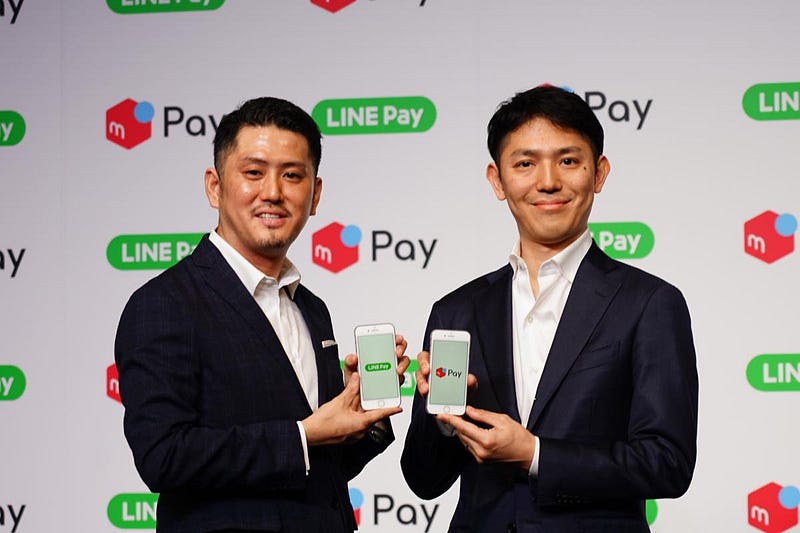
LINE Pay has the benefit of being built into a chat app that the majority of the population use everyday, and Merpay is built in to the country’s most popular auction app Mercari, which gives the two an advantage over the rest.
But despite this, users still remain hesitant to use QR code apps, and it remains to be seen how the mobile payment boom will end.
For now, the mobile payment arms race will continue. Companies should give campaigns a rest and focus on innovating to win users with seamless and secure services.