Japanese American Veterans Came Home to Hostility
They Still Suffered After World War II
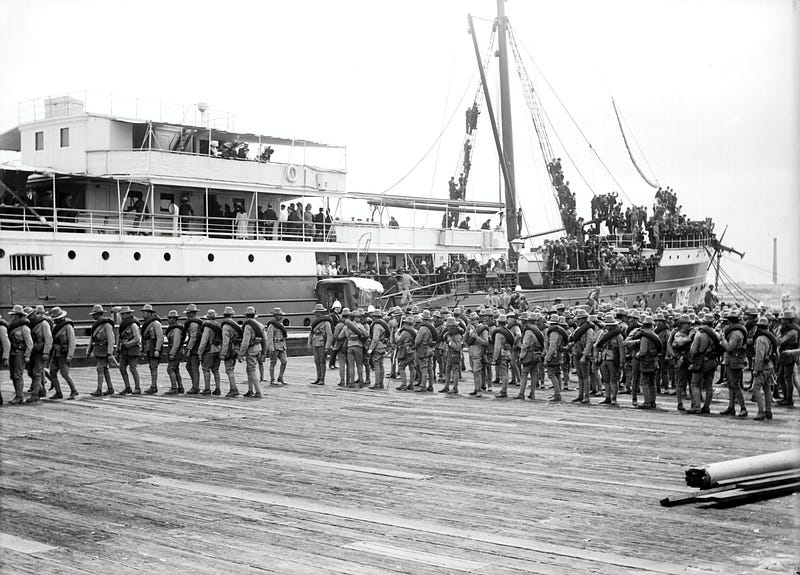
Racism and hatred caused 120,000 people of Japanese heritage to lose their homes on the west coast of the United States during World War II. These innocent persons were forced to leave their homes and lose their freedom when they were incarcerated in camps. The camps were not ready when they were taken from their homes so they lived temporarily in horse stalls at race tracks and county fairgrounds. Then they were transported to be imprisoned in camps which had been constructed in remote and desolate areas of the country.
The Constitution did not protect them although most were citizens of the United States of America. These were the children and grandchildren of immigrants from Japan. Almost no one came to their aid or supported them during that difficult period of time. The Quakers tried to support these persecuted people, but there were huge groups against the people of Japanese descent. Racism and hatred ruled.
Although the people who were ethnically Japanese were immediately considered as the enemy after the start of World War II and were deemed to be enemy aliens even if they were citizens of the United States, the young men were later asked to join the U.S. military. A segregated unit was set up in the Army which became known as the 442nd Regimental Combat Team (RCT). It included Japanese American men from Hawaii who had been in the 100th Infantry Battalion. These men fought with valor in the European theater of the war. They saw fierce action and suffered many casualties for which they won Purple Heart Awards. They were the most highly decorated unit for their size and length of service in the U.S. Army. They proved their patriotism and loyalty to America.
Other Japanese American young men who had Japanese language skills were recruited for the Military Intelligence Service in the U.S. Army. They served in the Pacific and intercepted radio messages of the Japanese military. Their work was kept classified and secret for many years.
When they returned home to the United States for furloughs and after World War II ended, these American veterans still faced racism and hatred. Even if they were wearing their U.S. Army uniform, they were often treated with racial slurs and refused service. They were told to go back where they came from and were denied rides in taxis. Some barbers would not cut their hair. They were even spat upon. It could not have been easy after they had risked their lives to protect the freedoms of their country.
After the war ended, President Harry S. Truman greeted members of the 442nd RCT to present them with the Presidential Unit Citation. He said, “You fought not only the enemy, but you fought prejudice, and you have won. Keep up that fight, and we will continue to win — to make this great Republic stand for just what the Constitution says it stands for: the welfare of all the people all the time.” President Truman ordered an end to racial segregation in the military two years later.
It has been reported that Eleanor Roosevelt (wife of President Franklin D. Roosevelt) wrote letters to President Truman telling him about the discrimination shown by white vigilantes against some of the Issei (immigrants from Japan) and the Nisei (American children born of Japanese immigrant parents). Truman was reportedly shocked by the reports and thought the actions were disgraceful. He said, “It certainly makes me ashamed.”
President Truman offered his support to the efforts of the Department of the Interior to secure evacuation claims legislation to partially compensate those who were displaced and put in the camps, which included the families of many of the soldiers. Although the bills were defeated, Truman supported laws barring discrimination based on race. He called for an inquiry into the wartime confinement policy against the people of Japanese heritage, which a report stated was “the most striking mass interference since slavery with the right to physical freedom.”
War had been terrible, but coming home was not easy for the Japanese American soldiers. Although they were understandably glad that the war was over, big challenges awaited them. Many came with huge uncertainties as their families had been uprooted from their homes and lived in the American concentration camps. These veterans had served their country well and had fought for equality and justice. The racism and discrimination they endured did not end with their service. Yet they persevered, and decades later the community has benefitted from their sacrifices, loyalty, and patriotism.
Japanese Americans want the general public to know their history so that no other American citizens will ever have to suffer the humiliation and hardship of being unjustly incarcerated in the American concentration camps. All people should be treated with dignity and respect.