
Japanese American Incarceration Documentary Film
A grandmother’s story of World War II
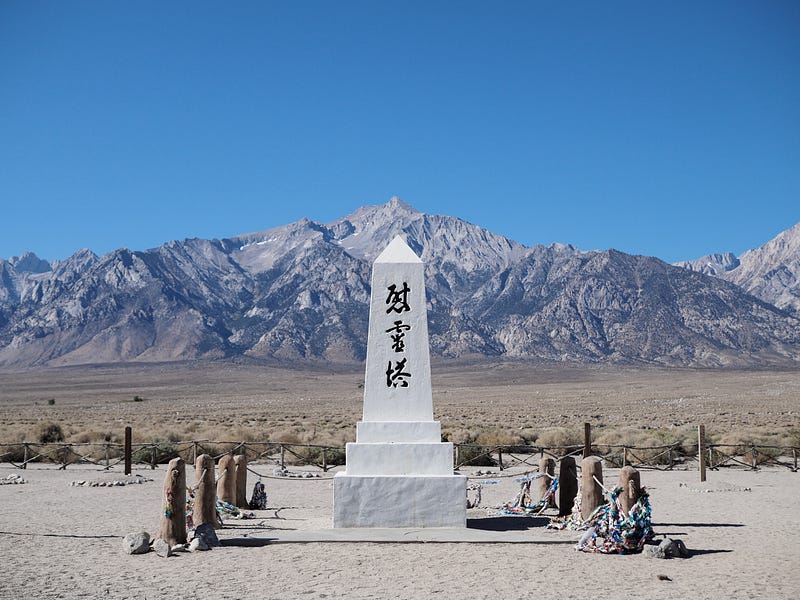
The incarceration of Japanese Americans was a huge injustice
Back in 2017, I was invited to participate in the 11th Annual New York City Asian American Student Conference (NYCAASC). The event was held at New York University. I was at the time the President/CEO of the Asian Pacific American Institute for Congressional Studies (APAICS), a nonprofit which works closely with members of Congress. Also at the conference was a young filmmaker by the name of Brett Kodama. His documentary film was featured at the conference. Brett and I did a workshop to discuss the incarceration of Japanese Americans during World War II.
Brett’s short film is titled One-Two-One-Seven. That was the family’s number when they were incarcerated in an American concentration camp during World War II. The film features Brett’s grandmother, Sharon Shizuko Okazaki Kodama. She tells the story of what happened to her family after the start of World War II.
The documentary is a first-hand account of living through the Japanese American incarceration camps. Sharon was three years old when she, her sister, and their parents, Family № 1217, were forcibly removed from their home. They were taken to Manzanar Relocation Center in California in 1942. She and her sister remained there until August 1945 after the end of the war.
Sharon and her sister were orphaned in the camp upon the death of their parents. Their father was only forty-one, but the camp experience was depressing for him. He and his wife died by suicide. Although the girls had an aunt and uncle not living in the camps who were prepared to care for them, the two small girls were kept in the camp. They were placed in the orphanage.
Even with all she endured, Sharon feels that she was one of the fortunate ones because she was a small child. The incarceration was a very difficult experience for most of those who were older. Some never fully recovered.
The poignant story told in One-Two-One-Seven is heart wrenching. It is one of thousands of stories of hardship by the American citizens and immigrants who were imprisoned in what have become known as America’s concentration camps. [The documentary is available to view on YouTube.]
This mistreatment was caused by prejudice, discrimination, and racism of the worst kind. War hysteria and a lack of competent political leadership were also later determined to be contributing factors in the incarceration.
Most of the people of Japanese descent who were living on the West Coast of the continental United States in 1942 were forcibly removed from their homes during World War II. It affected 120,000 people. They were incarcerated as prisoners in American concentration camps. This was a result of President Franklin D. Roosevelt signing Executive Order 9066, which allowed for the removal of people from certain areas. The order was not used in Hawaii, where there were 150,000 people of Japanese heritage living at that time.
There were ten camps built in remote and desolate areas of the United States.
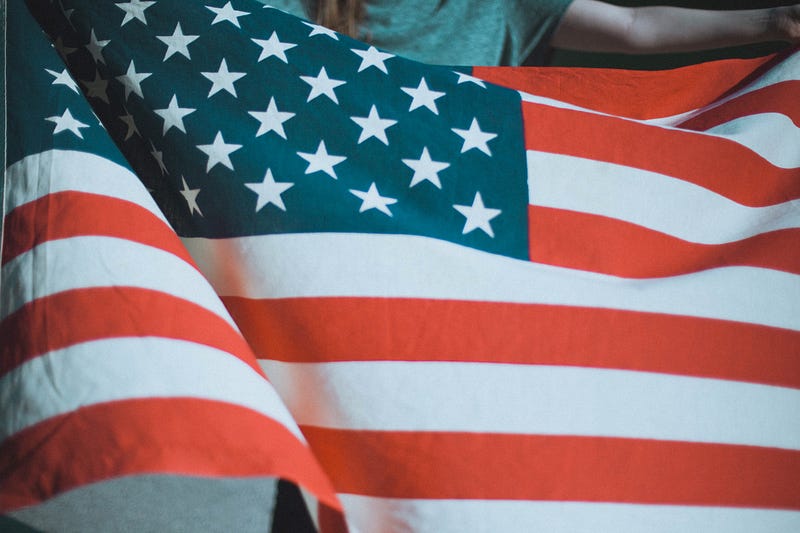
The incarceration of innocent Japanese Americans was a terrible injustice when the Constitution did not protect them. They had done no wrong and were proven to be loyal American citizens. They did not deserve to be treated so unjustly during World War II. They were patriotic Americans.
Brett Kodama is a cinematographer from Burbank, California. He graduated from The School of Visual Arts in 2015. He makes his home in New York where he works as a freelance cinematographer and editor. He grew up hearing about the experiences of the camps, but he found that most of his friends knew nothing about it.
The NYCAASC involves college students from New York University and surrounding universities. Some high school and junior high school students also attended the conference.
Japanese Americans want their story to be known so that no one else will ever have to suffer through such an injustice as was inflicted upon their community during World War II.
[Sources: one two one seven film, The Japanese American Story As Told Through a Collection of Speeches and Articles. www.thejapaneseamericanstory.com]