
TRAVEL AND DISCOVER
Japan: A Culture Shock
My friend asked me if I’d experienced a bigger culture shock in Japan or Vietnam. Without a doubt, the answer is Japan!
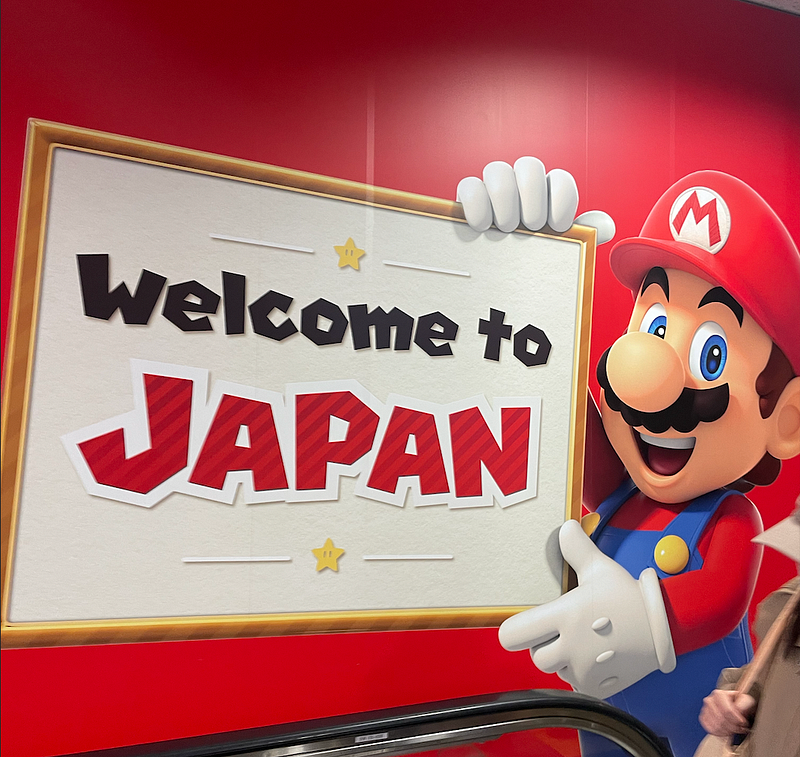
This year, I have had the opportunity to explore parts of Asia for the first time. I am currently in Vietnam, but I started my travels in Japan. I knew Japan would be amazing, but I didn’t know just how special it would be.
Before my visit, I had only heard good things from my friends who had already experienced the wonders of Japan. One friend even went so far as to say, “I think the Japanese are a superior race.” Now that I’ve been exposed to the Japanese people, I can understand what she means.
What was so different?
The Japanese people are like nothing else I’ve ever witnessed in all my years of travel.
I have completely disregarded the beauty and the delicious food that Japan has to offer to focus on other lesser known wonders.
They have been able to find the perfect blend between modernisation and tradition. It’s a combination that makes you feel so comfortable in Japan yet leaves you wondering why more places aren’t the same.
There is so much we can learn from Japanese society; as far as I’ve discovered, there’s no other place like it and no other society like it. I’m sure they aren’t perfect, but they certainly put the rest of us to shame concerning many things.
What stood out so much?
From the moment I stepped off the plane and into the terminal building, I noticed a different energy from most other chaotic international arrivals. The airport was relatively quiet and extremely well-organised, and there was an incredible degree of efficiency. After clearing immigration in 15 minutes and while waiting for the luggage to arrive, I couldn’t believe it when I saw workers arranging the bags in a way that allowed people to easily collect their luggage from the belt. I recently landed in Miami and was shocked at how all the bags were thrown on the belt with no organisation, making it almost impossible to grab your bag if it had landed on the top row.
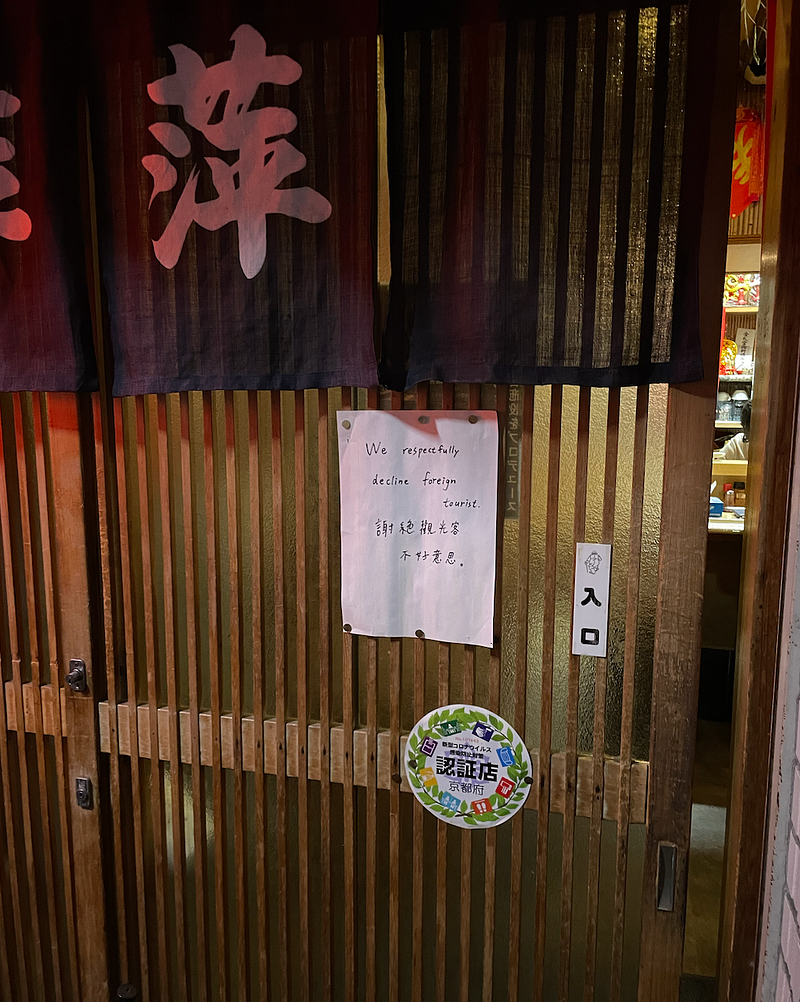
The next thing that stands out is how respectful and polite everyone is. The Japanese are very softly spoken, creating a feeling of calm even in a bustling city like Tokyo. Phone conversations are strongly discouraged on public transport, as are eating, listening to music out loud and having loud conversations. At traffic lights, locals will wait for the lights to turn green before walking, even if there are no cars in sight. This is an outstanding demonstration of respect. When saying goodbye, you will see groups of friends spending a noticeable amount of time bowing to each other. They do this to show their appreciation for the time they have spent with the others in the group. Even restaurants that do not welcome foreigners have a polite sign on the bar informing us of this fact.
Up next is cleanliness. I could write a whole article on the toilets in Japan, but I’ll save you from that. What I will say is that the toilets are amazing everywhere, including train stations and public markets. The streets are also free from litter; this doesn’t sound overly impressive, but when you learn that there are no public waste cans anywhere, it is. Some years ago, the government chose to have all waste cans removed from public areas due to their potential terror risk. Instead of just littering, the Japanese people tend to carry a small plastic bag with them, collect their rubbish throughout the day, and later discard their waste when they arrive home.
According to a recent census, ~70% of the population does not consider themselves to be religious, yet you will see beautifully kept shrines all over the country. Locals visit the shrines, and although they don’t consider themselves to be religious, they do identify with the values taught by religion and make a habit of embedding them in their daily lives. These values mean the population takes great pride in their work. I saw the cleanest waste truck I have ever seen. It was shining, and that’s because the workers themselves take great pride in their materials. Additionally, the values lived in society build a strong sense of community. I witnessed children who could be no older than 8 travelling to school alone, using the underground, and walking the streets. They can do this because the population tends to look out for each other; therefore, Japan is incredibly safe.
I could go on, but I believe it’s something you have to live for yourself to value Japanese excellence.
Japan is a country I cannot wait to visit again to continue discovering the beauty of the country and its captivating culture.
Shine bright.
If you like my writing and are inclined to support my journey, you can help me shine brighter by buying me a coffee. Your kindness means a lot! Thank you so much for your support.


