

#YouTube #Entrepreneurship #Business
Janet Jackson and YouTube: How Lust Led to a Billion-Dollar Idea
He searched the internet, trying to see if he could find any video of the incident showing Janet’s exposed breast.
If Jawed Karim could resist his urge to see Janet Jackson’s bare breast back in 2004, the world might have been different today.
What happened that year? Something that sparked a nationwide backlash in the US over a TV show.
It was in the 2004 Super Bowl halftime show where Janet’s breast was exposed by Justin Timberlake. He tore off part of her bustier as he ended performing Rock Your Body on the stage.
Over 140 million people saw Janet’s breast for nine-sixteenths of a second, an incident that later became known as Nipplegate.
There is hardly anyone who does not know about the incident. The Federal Communications Commission received scores of complaints about indecency after the show.
But Jawed missed the event. There were also many others like him who could not catch the show.
He searched the internet, trying to see if he could find any video of the incident showing Janet’s exposed breast.
But there was none.
He was frustrated.
It was still an era when there was no way to watch a programme again unless it had been recorded. So, it was not possible for Jawed to re-watch the halftime show.
He also looked for videos of the Indian Ocean tsunami that occurred the same year but was frustrated again as there was no such video online.
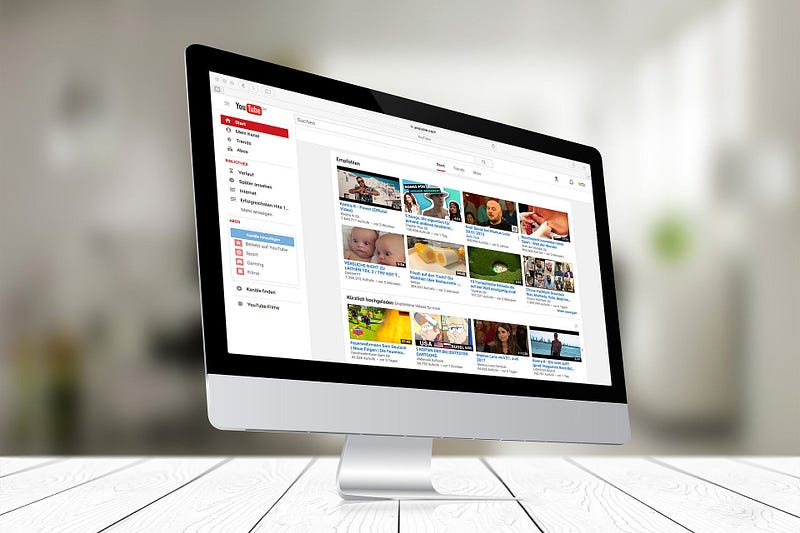
That frustration later led to the idea of what is known as YouTube today.
Jawed, along with his PayPal tech colleagues Steve Chen and Chad Hurley, wanted to use technology to solve the problem. They started building a website.
The idea was simple: anyone would be able to upload his or her own video contents on the site. It would be easy to build kind of an online video library that way and people would be able to watch something later if they missed it.
They built the website and launched it. It took off and the rest is history.
These days, you can find videos on almost any subject you can think of on YouTube.
From the 1960 presidential debate between John F Kennedy and Richard Nixon to former Pakistani prime minister Benazir Bhutto’s 2007 assassination to Barack Obama’s emotional speech at Nelson Mandela’s 2013 memorial, it is all there on YouTube, the world’s number 1 video sharing website.
But none of these would have happened had Jawed chosen to repress his urge to see Janet Jackson’s exposed breast.
Almost a year after the Super Bowl incident, he was actually discussing Janet’s breast with Steve and Chad.
“I thought it was a good idea,” he told USA Today in 2006 while talking about the inception of YouTube.
When search engine giant Google paid a cool $1.65 billion in November 2006 to buy YouTube, he received worth about $64 million against 137,443 shares.
Jawed proved that embracing biological desire instead of subduing it could actually give birth not only to a good idea but also a world-changing one, as was the case with YouTube.