
Jai Ganesh
Why I love the elephant Deity and how chanting can help manage emotions
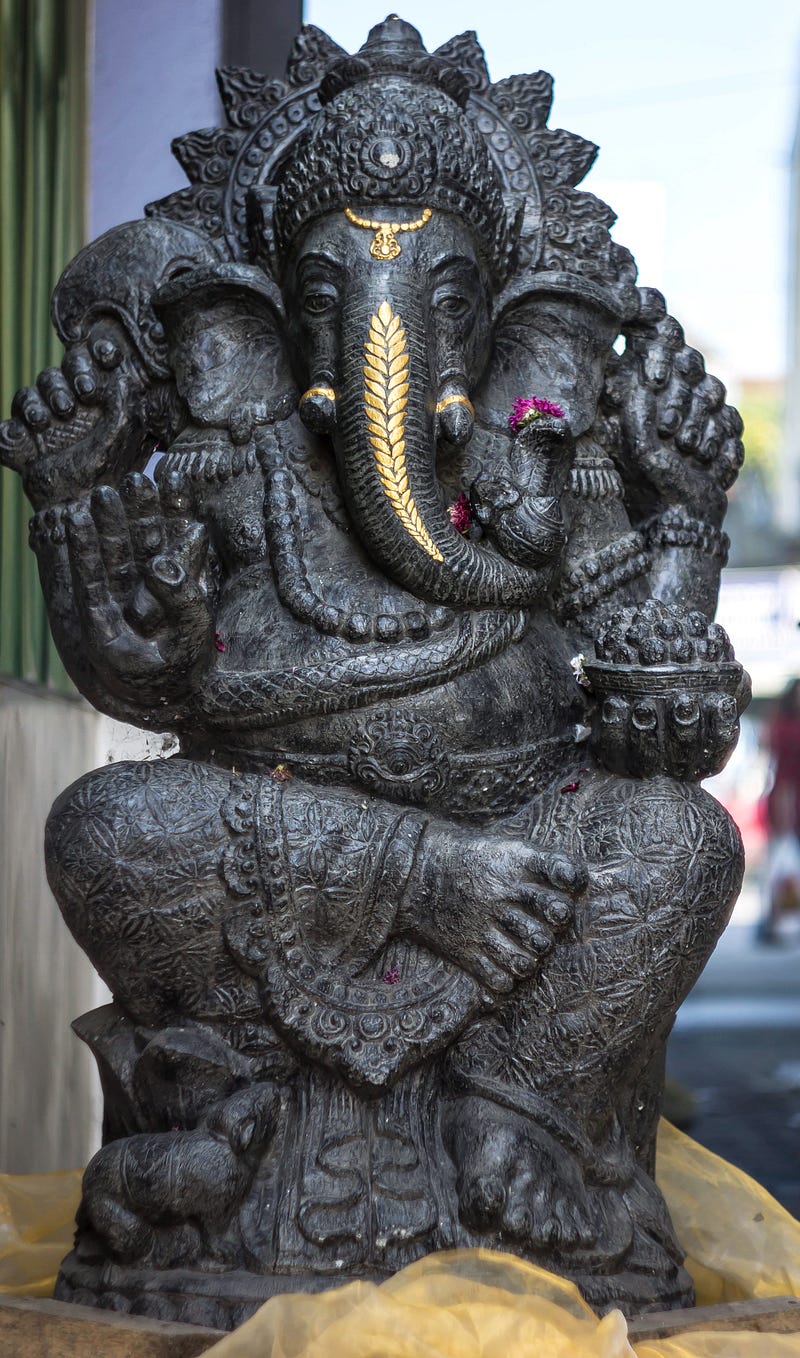
Often you will see an altar in yoga studios and on that altar you might see a Hindu Deity such as Shiva or Ganesh, you may see Buddha, perhaps incense or a photo. These spiritual items offer cultural significance to honor the practice. In my personal study of yoga, I learned about much of the Hindu way of life and became fond of it. You certainly do not have to be Hindu to practice yoga, but anyone can actually practice the religion if you desire.
I became quite fond of the meaning and stories behind the Deity Ganesh, Ganesha, also referred to as Ganapati, which is the elephant head. I have always loved elephants to begin with now I learn this beautiful meaning associated with Ganesh which is known as “the remover of obstacles” and the “Lord of Good Fortune” What is there not to love about that elephant? I knew I had to have one. Suddenly I was collecting them and noticing them everywhere I went.
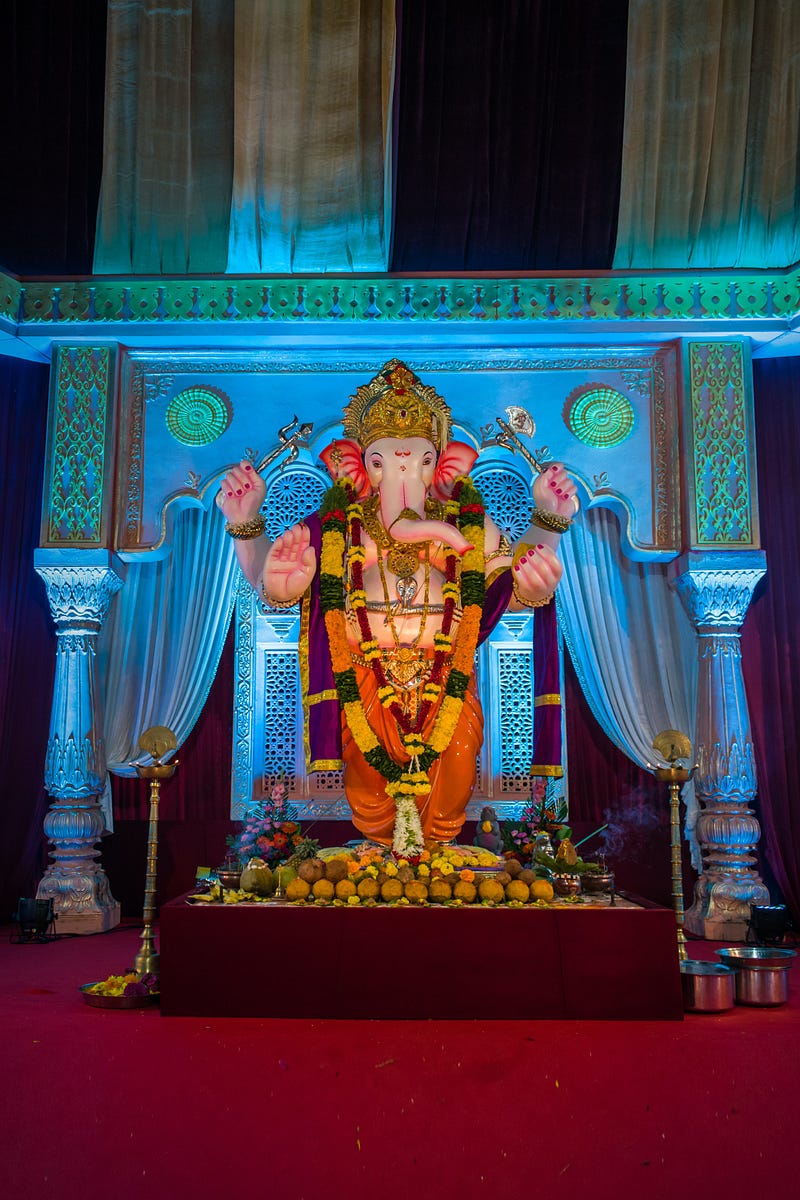
There are many versions of this beautiful figurine. Sometimes he is depicted sitting with his leg folded under himself, sometimes he is seated on a lotus flower, sometimes standing, sometimes four arms and sometimes more. In each variation, however, there are always several important spiritual items which represent important symbolism present which are:
- A mouse at Ganesh’s feet: symbolizing his vehicle, being so small the mouse can remove obstacles from the tiniest spaces.
- A bowl of Laddoo, a sweet Indian treat because Ganesh was known for having a sweet tooth
- One Broken Tusk- it is said that the feather he was using to write the Mahabharata, one of the oldest and most important Hindu texts, broke so he broke of part of one tusk to finish writing his important poem.
- Snake- represents kundalini energy
It is said that Ganesha grants success and protects against adversity and that if you put a figurine facing your door, he will protect your home. It also is said to bring earthbound awareness.
I also love his big ears, which to me symbolize the need to listen more and speak less. His big jolly belly is very similar to that of Buddha’s. Often he is depicted with an ax which can be interpreted to mean cutting off bonds with attachments which resonates with me.
Ganesh has his own special mantra but before I get into that let me tell you a little about mantras in general.
“Mantra is a Sanskrit word with many shades of meaning: “tool of the mind,” “divine speech,” and “language of the human spiritual physiology” are just a few of these. ~Healing Mantras, by Thomas Ashley-Farrand
Mantras are often practiced at either the beginning or end of a yoga class, sometimes both. Music and sound can transmute a bad mood into a good mood and to allow us to feel more at ease. Mantras are a great way to manage emotions and to cope with frustrations. By chanting we are physically changing the energetic vibration in our bodies.
“The Practice of mantra actually kneads the flesh of the body with sound.” ~Healing Mantras, by Thomas Ashley-Farrand
When I chant a mantra, I also do so in sync with my breath, taking a long inhale and then starting the chant on my exhale. What happens with practice is that I learn to take deeper inhales and exhales and breathe slower, increasing my Prana, or life-force energy.
“Mantra is the language through which we invoke the gods and their energy.” ~Healing Mantras, by Thomas Ashley-Farrand
There are many different mantras ranging from very simple forms to complex difficult to pronounce mantras. If you are interested in learning I highly recommend the book that I referenced the quotes from, and you can also find other You Tube Videos and practice listening and following along.
Om Gum Ganapatayei Namaha
(OM GUM GUN-NUH-PUH-TUH-TUH-YEI NAHM-AH-HA)
~Healing Mantras, by Thomas Ashley-Farrand
Thank you so much for taking the time to read this. I hope you will enjoy using the Ganesh Mantra. I have survived domestic violence and I, as jules so beautifully phrased it, dismantled my PTSD by a combination of yoga, self-help books, meditation, walks in the woods, therapy and self study. Mantras were a great healing part of meditation for me.


