avatarAshley Southard

Free AI web copilot to create summaries, insights and extended knowledge, download it at here

1568

Abstract

.be/OqGDv0KCJl8">big-cat catnip</a>. In lower amounts, it’s hypothesized to <a href="https://www.reed.edu/biology/courses/BIO342/2014_syllabus_old/2014_WEBSITES/james_fisher-smith_jesse_duham_drugs&amp;behavior/JaguarsYage.html">enhance their hunting skills.</a></p><h2 id="b824">Monkeys and iboga:</h2><p id="fa75">Mandrills in Gabon consume iboga as a performance-enhancer of sorts when getting ready to establish dominance.</p><p id="f3dc">It’s hypothesized that it energizes, improves reaction time, and reduces pain for them. Based on observations, the mandrill will eat the iboga root and then wait about 2 hours for the effects to kick in before picking a territory fight with a rival. (Source — <a href="https://www.amazon.com/Animals-Psychedelics-Natural-Instinct-Consciousness/dp/0892819863">Samorini</a>)</p><h2 id="cdfc">Deer & mushrooms:</h2><p id="6cb1">Caribous (reindeers) ingest fly agaric (amanita mascaria), which contain muscimol. Consuming these mushrooms induces dream-like, drunken effects. Further, consuming them causes the caribou’s urine to contain psychoactive ingredients, and herd mates will fight for access to the urine.</p><p id="3039">It’s been hypothesized that the celebration of Christmas today can actually be traced back to what’s essentially a “<a href="https://www.psychologytoday.com/us/blog/the-playing-field/201012/animals-psychedelics-survival-the-trippiest">Siberian Woodstock</a>” — a merry-making festival in the snow of red and white psychedelia and general drunken revelry.</p><h2 id="10fb">Dolphins and puffer fis

Options

h:</h2><p id="050e">This is heavily debated, as this it caught on a documentary but not often seen: Dolphins wills sometimes ingest the poison from puffer fish (tetrodotoxin) to induce a dream-like, high state.</p><p id="41a0">However, as pointed out by marine biologist <a href="https://grist.org/living/dolphins-arent-getting-high-on-pufferfish/">Christie Wilcox</a>, “if the dolphins really wanted to get high, there [are] other sea critters that would fit the bill... in many areas of the world, sea bream are known to produce vivid visual and auditory hallucinations, much like tripping on acid.”</p><h2 id="6ea5">Goats and coffee:</h2><p id="c17d"><a href="https://www.ncausa.org/about-coffee/history-of-coffee#:~:text=An%20Ethiopian%20Legend&amp;text=There%2C%20legend%20says%20the%20goat,want%20to%20sleep%20at%20night.">Legend has it</a> that goats are what led an Ethiopian goat herder to discover the benefits of coffee — Kaldi, the herder, noticed his goats eating the coffee berries and getting very energetic.</p><p id="af35"><b>Interested to go even deeper? Recommended read: <a href="https://www.amazon.com/Animals-Psychedelics-Natural-Instinct-Consciousness/dp/0892819863?crid=RF2BJ78PE14B&amp;keywords=animals+and+psychedelics&amp;qid=1674421761&amp;sprefix=animals+and+psychedelics%2Caps%2C85&amp;sr=8-1&amp;linkCode=ll1&amp;tag=ashsouthard-20&amp;linkId=0f251f3ddc272fdf0347f9db15afa204&amp;language=en_US&amp;ref_=as_li_ss_tl"><i>Animals and Psychedelics: the Natural World and the Instinct to Alter Consciousness.</i></a></b></p></article></body>

Jaguars on ayahuasca and monkeys on iboga: psychedelic use spans the whole animal kingdom

Our furry (and slippery) friends enjoy the benefits of psychedelics just as much as we humans do.

It’s no secret that indigenous wisdom harbors more than Western society could ever filter into its data-driven spreadsheets, apps, and databases. For centuries, we humans have observed animals’ behavior to learn what herbs and fungi can treat ailments. (There’s a word for this: “zoopharmacognosy” — the study of how animals use plants for medicinal purposes is termed.)

A few examples:

  • The Navajo revere the bear for teaching them about the osha root, effective for stomach pain, bacterial infections, and upper respiratory issues.
  • Horses in pain seek willow stems, which is where aspirin originally came from
  • Capuchin monkeys cover themselves in citrus and citronella to keep bugs away

Turns out, animals know all about entheogens (psychedelic plants and fungi), too.
Psychedelic use in the animal kingdom:

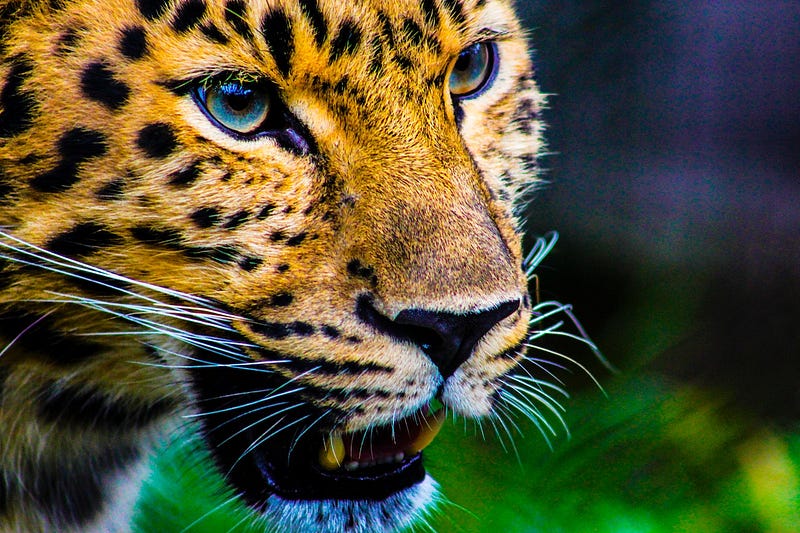
Jaguars and ayahuasca:

Jaguars will chew on the yage (aka ayahuasca, or banisteriopsis caapi) vine.

In high amounts, it acts as big-cat catnip. In lower amounts, it’s hypothesized to enhance their hunting skills.

Monkeys and iboga:

Mandrills in Gabon consume iboga as a performance-enhancer of sorts when getting ready to establish dominance.

It’s hypothesized that it energizes, improves reaction time, and reduces pain for them. Based on observations, the mandrill will eat the iboga root and then wait about 2 hours for the effects to kick in before picking a territory fight with a rival. (Source — Samorini)

Deer & mushrooms:

Caribous (reindeers) ingest fly agaric (amanita mascaria), which contain muscimol. Consuming these mushrooms induces dream-like, drunken effects. Further, consuming them causes the caribou’s urine to contain psychoactive ingredients, and herd mates will fight for access to the urine.

It’s been hypothesized that the celebration of Christmas today can actually be traced back to what’s essentially a “Siberian Woodstock” — a merry-making festival in the snow of red and white psychedelia and general drunken revelry.

Dolphins and puffer fish:

This is heavily debated, as this it caught on a documentary but not often seen: Dolphins wills sometimes ingest the poison from puffer fish (tetrodotoxin) to induce a dream-like, high state.

However, as pointed out by marine biologist Christie Wilcox, “if the dolphins really wanted to get high, there [are] other sea critters that would fit the bill... in many areas of the world, sea bream are known to produce vivid visual and auditory hallucinations, much like tripping on acid.”

Goats and coffee:

Legend has it that goats are what led an Ethiopian goat herder to discover the benefits of coffee — Kaldi, the herder, noticed his goats eating the coffee berries and getting very energetic.

Interested to go even deeper? Recommended read: Animals and Psychedelics: the Natural World and the Instinct to Alter Consciousness.

Psychedelics
Psychedelic Medicine
Psychedelic Research
Ayahuasca
Psychedelic Science
Recommended from ReadMedium