
I’ve Made Over $3000 Selling Licences To Use My Photographs
It’s a 50:50 split with Alamy Stock Photography
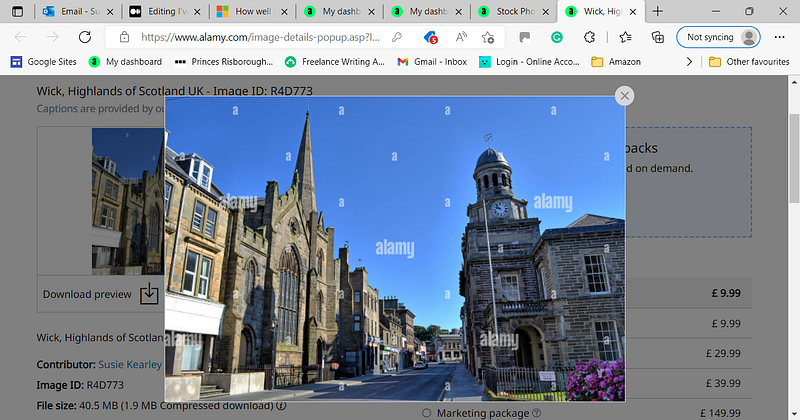
I’m a keen contributor to Alamy’s stock photography website, where to date, I’ve sold $6695 of photos. That’s since I started contributing in 2016. Most of those sales were in the past three years and I received almost 50% of the income from the sales. It’s a 50:50 split with Alamy who deal with the sales side of things.
This might sound like a great way to make money online, and it can be lucrative, but I’m not going to pretend it’s easy. You need decent photography equipment to meet their requirements.
I’ve got about 8,000 photos on Alamy at present. They’ve all got about 40–50 keywords to help buyers find them. It takes a lot of work to get them all digitally enhanced, uploaded to Alamy, captioned and keyworded. It swallows up a lot of time.
The pictures all have to meet Alamy’s stringent quality standards, which means you mustn’t have dust spots in the sky, no grainy pictures where the ISO is set too high, and definitely no blur from hand shake!
You can get banned for three months for submitting a blurry photo. I know — it happened to me once, when I selected the wrong picture to upload by accident!
Things to remember
- Getting decent photography equipment can be expensive, but you can get some good deals on second hand equipment, especially with online traders such as www.mpb.com.
- You’ll need photo editing equipment like Photoshop and you’ll need to learn how to use it.
- It swallows up a lot of time to do the keywording, captioning, digital enhancement, and take out dust spots.
- Most visitor attractions prohibit photography, so if you’re thinking of putting up pictures of National Trust houses for example, think again. Unless you pay an annual fee to become one of their official photographers, you’re not allowed to sell those pics!
Alamy — the good news
- They’re always open to new photographers!
- It’s fun to make a sale and know your images are being used.
- You always keep the copyright to your images, as they only sell a licence. This means you can sell a licence for the same image over and over again.
Alamy — the bad news
- Alamy has recently reduced their rate for most contributors to 40%. You have to meet a certain threshold, even get that. You must sell more than $250 gross in 12 months before you get 40% of the value of sales. Below that, you only get 20%.
- Sometimes the rate per sale is painfully low! They sold one of mine for 50c. Fortunately most pay a lot more!
- The new contract might make you feel queezy — and that assumes you can understand all the legal speak.
Overall however, I’ve enjoyed making money online with my photography, and I plan to continue.
Want 50% royalties from day 1?
Another platform to consider if you want to grab a 50% incentive from day 1 is Pond 5, who are well known for supplying moving images to the television industry.
The problem with Pond 5 is that while they’re well established in video, they’re less well established in stills. The bottom line is they might not be best placed to sell your snap shots to tourist boards and newspapers… but if you create videos, they might be perfect! Why not take a look?
More from me:
- Make Money Writing to Market
- Vocal Media: How Blogging on Another Paying Platform is Going
- Join Medium, and read unlimited stories, using my referral link here


