
I’ve dealt with injuries for years: here’s what I learned.
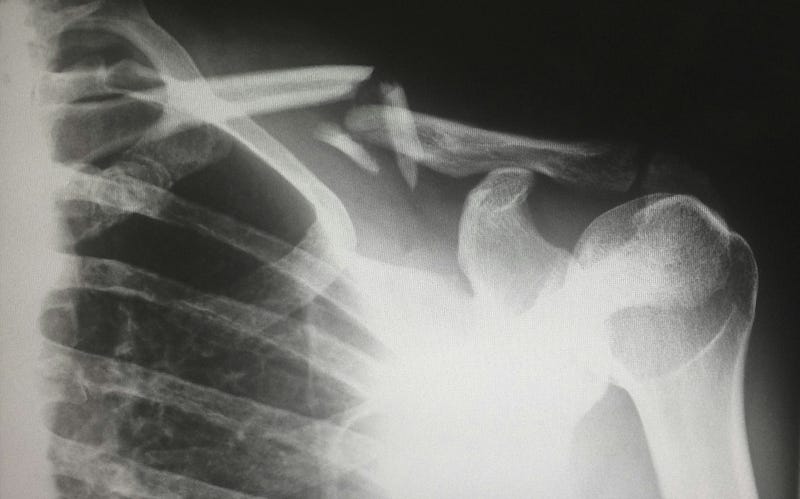
Lesson number 1
Working with physiotherapists, I discovered that my hamstring muscle, in ratio to my body weight, is much weaker, which could cause the injuries I keep getting as everything works in the chain.
If part of your chain is fragile, other muscles will take more load, causing overuse injuries.
When the guy told me that, I was surprised. I replied — I’ve been working on my body since I was twelve, so don’t tell me the test result is below average.
I was mad because I dedicate my life to being in the best shape possible to perform my best.
Here’s what he told me. Yes, you have been working on that muscle for years, but the truth is, in all the exercises you do, you compensate with your back and quadriceps, taking a load off of your hamstrings.
That was my first lesson, you can do all the exercises and from the outside looking in your form seems great but what’s most important is your mind-muscle connection. And only you can control that. With your intentions, you have to be able to turn on a muscle, not just perform a movement.
With your intentions, you have to be able to turn on a muscle, not just perform a movement.
Lesson number 2.
Most of my injuries accelerated because I tried to play through them when instead, I had to address them from the very beginning, saving months of rehab work later.
Most athletes do that. They say — oh, it’s nothing — the pain will pass soon or I will inject painkillers now and will deal with it later, but the truth is, your body is telling you that something is wrong, and you better address it, or it will come backfiring. Of course, if it’s game seven of the NBA finals, you will suck it up, but otherwise, it’s not worth it, especially if you are not an athlete.
Lesson number 3
Take your time to do the full rehab, and maybe take two extra weeks just in case.
I’ve always tried to get back on the court as fast as possible, but when you do that once, twice, three times, your body resists because you didn’t spend enough time in the first place, and the same injuries keep occurring.
Lesson number 4
Always get a second opinion.
When I broke my foot, I went to the hospital, where the doctor put me in a cast and told me that after a month, I had to do another x-ray and it should be better. Then we will go from there.
However, I wasn’t sure how competent that doctor was, so I went to a private clinic to see another doctor.
I showed him my x-ray, and he instantly threw my cast away and told me that in that place, blood flow was terrible, and the possibility that it would heal was close to zero.
I believed in him because he has worked with many professional athletes, and after a week, I was on his table preparing to undergo surgery.
Two doctors, and two very different approaches and opinions. If I had stuck with the first doctor’s opinion, maybe I would still be dealing with the same injury. I hope you can learn from my example.
Lesson number 5
Educate yourself
Don’t just go to the physiotherapist and go through his exercises.
Ask questions:
- Why are we doing it?
- What is it for?
- Why 6 reps, not 20?
- Why didn’t we do that earlier in our rehab?
- What are the progressions of this exercise?
Always ask questions because it’s your health and your life, nobody will care more than you, maybe your mom, but everyone else couldn’t care less.
After you keep asking those questions, you will have better knowledge, and if you ever have to go through that process again, you will know what to do.
I hope you find this article useful and that you can learn from my mistakes.
If you enjoyed the article give it a clap or leave a comment, and if you want to see more of my content go and give me a follow.