
I’ve Been A Marketing Consultant For 10 Years — Here’s How I Tripled Revenue By “Content Testing”
Without spending big bucks on marketing campaigns

I’ve been working with different startups for the last decade.
Despite their differences, one thing was in common: spending too much on marketing discounts. Recent data confirms this — startups spend up to 60% of their budget on them.
They think discounts make customers stick around and spend more.
But, here’s the issue — it’s not a long-term solution. The budget quickly runs out, and that’s a big challenge.
At every startup I worked in, it was a different business, but the same story. A strategy without constant spending was needed after some time.
But how can you keep customers loyal without giving them an incentive?
The answer is fine-tuning your content.
The best part? You can change your content as much as you want at zero cost.
This process is called “Content testing”.
Content testing means experimenting with different ways of saying things. It’s a must-have for any business because keeping your communication relatable is key to growth in any sector.
It played a huge role in my best campaigns, even tripling revenue.
Here are three simple steps to make it work for your business.
Step 1: Test your content with a control group
Ever felt the pressure of hitting those “10K more sales this month” goals?
How about “$50K more revenue until the end of the month”?
Quick wins like these are crucial for startups, and the usual strategy is to target a large audience.
But, reality isn’t that simple. More reach doesn’t always mean more sales.
So, how do you ensure your marketing is truly effective? Simple — compare it to a control group.
A control group is part of your audience without exposure to your marketing campaign. If your campaign group outperforms this group, it works.
Yet, not targeting the control group is a challenge with the constant pressure for quick wins.
I fell into that trap in my early days, sending newsletters to all customers for a ride-sharing service.
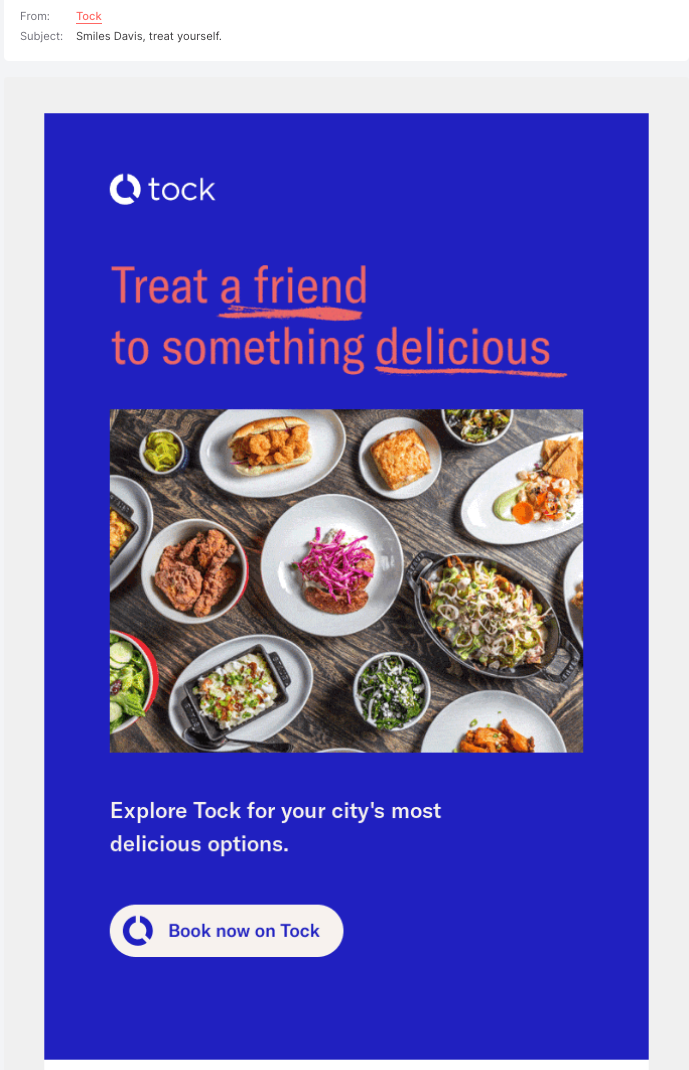
The newsletter earned $54K, but I wasn’t sure if it was due to my campaign or just a coincidence.
Without this information, I was lost. I didn’t know if my campaign had an impact.
To solve this problem, I added a control group and relaunched the campaign.
Month #1–2: Initial Control Group Test
I split my audience into two groups — one got the newsletter, the other didn’t.
Guess what happened?
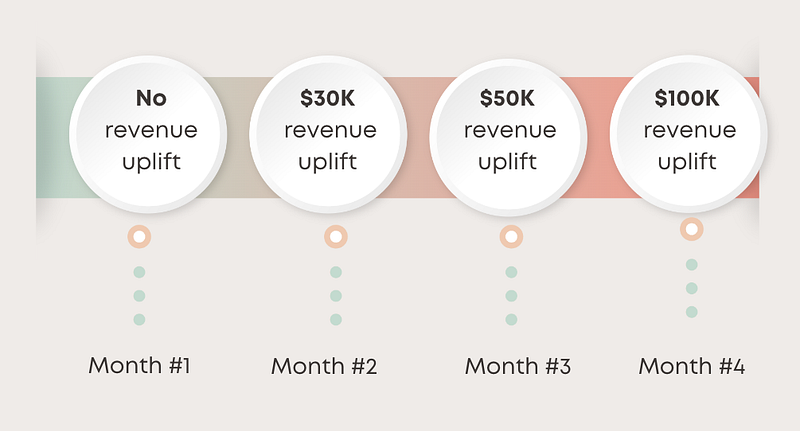
Both groups made equal money in the first month, showing that the newsletter didn’t have a revenue impact.
Digging deeper, I found blurry images and replaced them in the second month.
Here’s the catch:
$30K more revenue compared to the control group while the total revenue stayed the same.
The newsletter now had a real impact, showing the potential for more revenue growth.
Month #3: Subject Line Test
Next up, subject lines.
I tested two: one about self-care and the other about needs.
- Subject Line 1 — Self-care (From Month#1): Want to treat yourself? Get from A to B on your terms!
- Subject Line 2 — Need: Need to get from A to B? Reserve a ride now!


The result?
A $50K revenue increase compared to the control group. I almost doubled my earlier success.
Plus, the need-based subject line brought in the most revenue.
So, the final step was to test this winner subject line’s revenue impact with a control group.
Month #4: Winner Subject Line Test
The result this time with the winner, need-based subject line?
A $100K revenue increase compared to the control group.
It tripled the revenue increase since month #2.
Takeaway
- Test your content with a control group to confirm the revenue impact.
- Keep testing with different content to boost revenue.
Step 2: Try out innovative content ideas
So, you’ve got your control group in place. Now, let’s spice things up with some fresh ideas.
Many marketers stick to the same old content tricks like throwing in emojis.
Let’s be honest — it doesn’t always work.
What you need is content that stands out and brings in the big bucks.
Go bold with subject lines
I played around with two newsletter subject lines for a ride-sharing service:
- One with a cut-off, so you can’t see the last word.
- The same version, this time showing the full message.

Guess what happened.
The cut-off version got a +40% revenue increase compared to the control group.
Meanwhile, the full version barely managed a +10% increase.
Why? Because that little mystery at the end caught people’s attention.
That is not the end of the story. There are other ways to make your content engaging.
Surprise customers with edgy words
Take a look at Koala’s subject line to introduce a free trial: “Fall in Love (Without the Risk).”
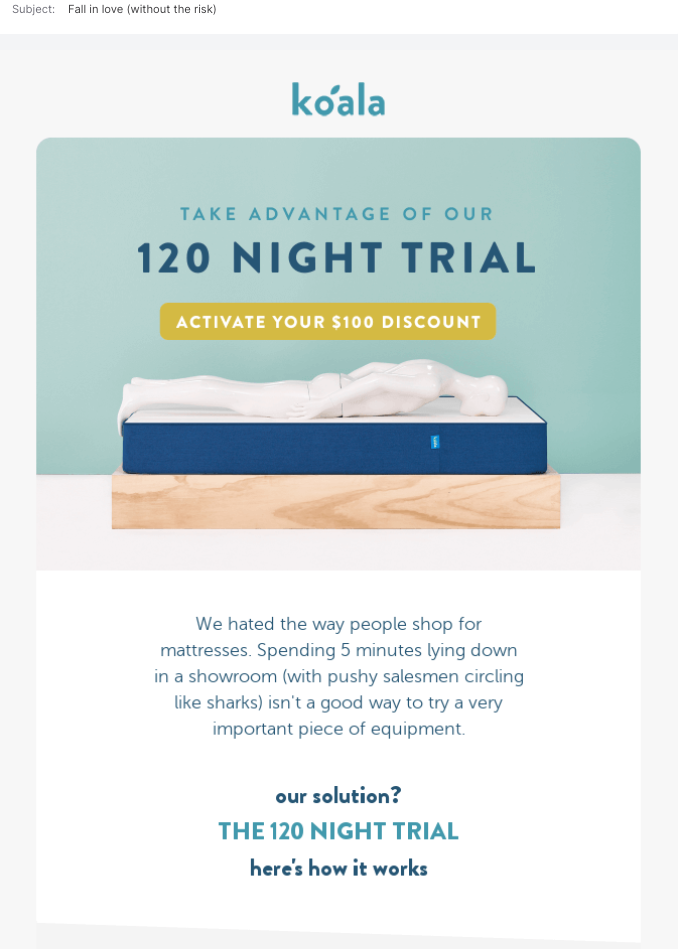
It’s way more exciting than the usual “Here is your trial,” right?
So, here’s the takeaway: Be daring.
Test out fun ideas like cut-off text or edgy words.
You might make your way to more cash and a cooler brand image.
Takeaway
- Test out innovative content ideas. This could be your ticket to increase revenue.
- Do not shy away from unconventional ideas cut-off text or edgy words.
Step 3: Keep testing your content
Now that we’ve established the importance of content testing, does this mean we’re done?
Not exactly because best-performing content always changes.
The key is to continue testing.
Let me share an example from the mobility sector where I planned a two-phase content testing.
Phase 1
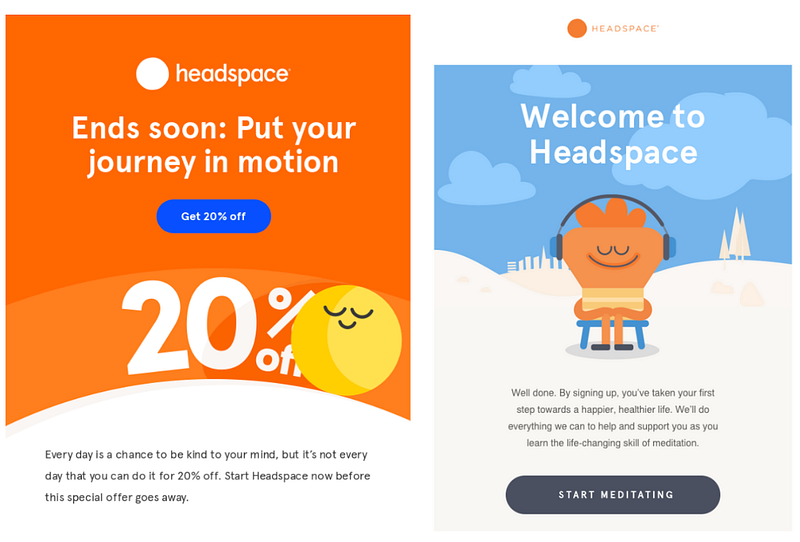
- Version #1: Newsletter with an incentive (“$10 off your ride”).
- Version #2: Newsletter only with a motivational message (“Want to stay ahead? There are many cars next to you. Grab one now!”).
- Target audience: New platform customers within the last month with at least 1 transaction.
- Control group: Our baseline within the audience.
- Equal distribution: Each version and control group is one-third of the audience.
The result?
- Version #1 with an incentive outperformed others. It resulted in a 50% monthly revenue increase compared to the control group.
Then, I switched to Phase 2 of testing with the same audience.
Phase 2
- Version #1: Newsletter with an incentive for a single ride (“$10 off your ride”)
- Version #2: Newsletter with an incentive for two rides (“$10 off your next 2 rides”)
- Control group
What happened next?
- This time, Version #2 emerged as the winner. It delivered a +2X monthly revenue increase compared to the control group.
- The reward split over two rides was more attractive as it covered more rides than one.
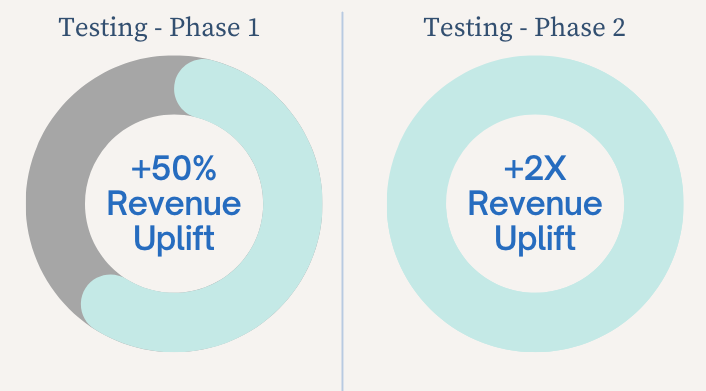
This is one iteration example among many. I managed to double the revenue increase with only one iteration.
Imagine what you would get if you kept testing your content.
At best, a significant increase in revenue. At worst, insight into which content works.
Takeaway
- Keep testing your content to avoid spending resources on content with no impact.
Conclusion
It is tempting to target as many customers as possible to increase short-term revenue.
But, for long-term success, start testing your content with a control group.
Once you’ve established a testing structure, test innovative ideas.
Lastly, have a consistent testing plan.
In marketing, there is no one-size-fits-all content strategy. Regularly test your existing content and introduce new ideas.
Every test is an opportunity for valuable insights and revenue growth.
Ready to take your marketing to the next level? Reach out to me on Linkedin.
Want more marketing tips and tricks? Subscribe to the Better Marketing newsletter The Marketing Memo here.


