
It’s Time To Consider Your Sensory Needs
Stimulating and calming your senses will help your divergent mind to settle
If you are neurodivergent then you are likely to have a relationship with your senses that needs to be carefully balanced
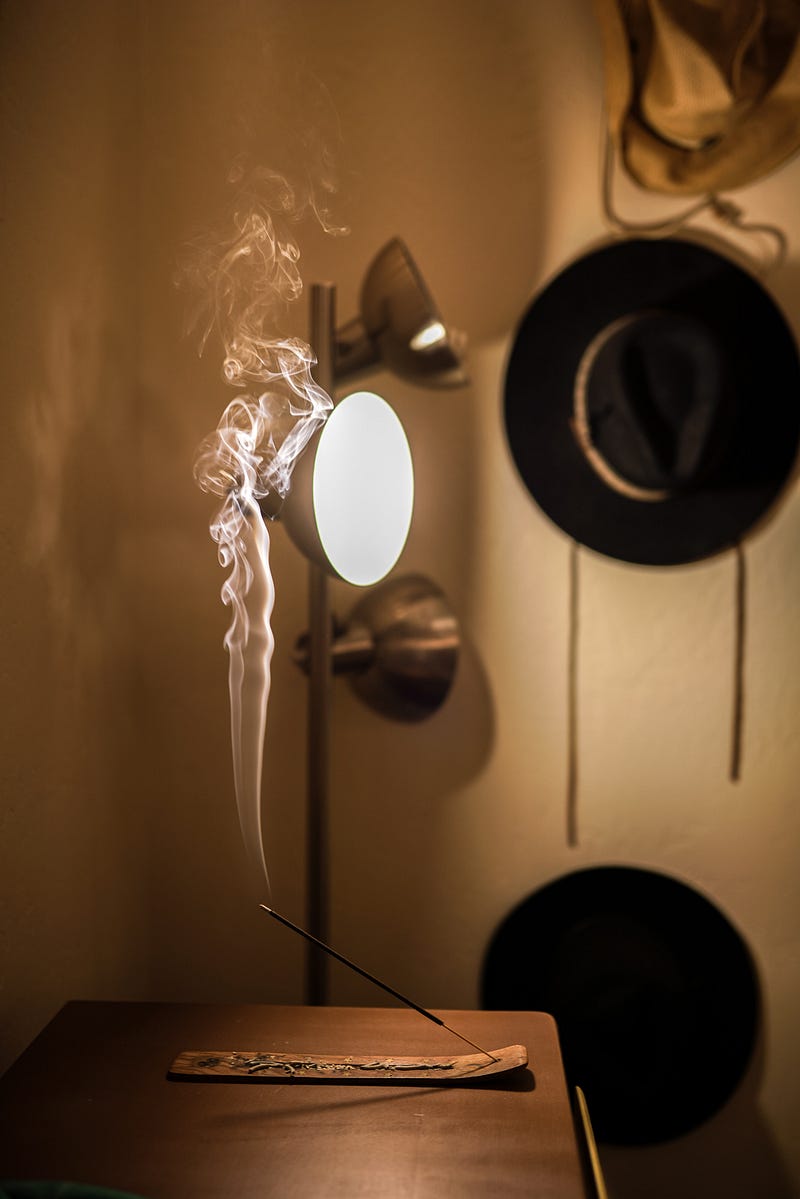
A sensory den is not just for kids!
Being a mum to a neurodivergent child, I am well rehearsed in the constant balance of sensory stimulation for my son. There are times when he needs the curtains shut (even on a cloudy day) and other times when he needs to run in circles to make himself feel still (that boy never gets dizzy!)
It wasn’t just my son who benefitted from this spa for the senses
A few years ago, I set up a sensory den in the wardrobe in my son’s bedroom. I stuck blackout curtains to the walls and covered the floor with different textured cushions and blankets. Now for the soothing part, I put in a colour changing nightlight which projects onto the walls.
We used to sit in there together, doors shut, and I started to realise that it wasn’t just my son who benefitted from this spa for the senses. I am also neurodivergent and hadn’t been considering my own sensory needs.
It’s easy to think that sensory toys are just for kids but if you are neurodivergent then you are likely to have a relationship with your senses that needs to be carefully balanced. I sometimes feel like my senses have a direct link to my emotions and thoughts and if my senses aren’t balanced then neither are my emotions and vice versa.
Prioritise your own sensory needs
Creating a space which calms my senses sends a message to my brain to do the same for my thoughts
A lot of what I use to calm or stimulate my senses can be seen in many people’s houses. However, where a neurotypical person may use candles to look nice and relax, it is a much more emmersive and important experience for me.
I feel like creating a space which calms my senses sends a message to my brain to do the same for my thoughts. I have ADHD and if I try to tell my brain directly to calm my thoughts, I end up going into a rabbit hole of repetitive thoughts about how I need to calm my thoughts. This, of course, has the opposite effect.
In order to balance your senses it helps to be aware of what can stimulate and and what can calm them. Depending on your own preferences and needs you can work out the balance for you.
I personally have a strong response to smells and temperature. If I am too cold it is all I can think about. If I smell something bad it will stay with me for hours and I feel like I’ve eaten that smell. Conversely, feeling the warmth of a heated blanket and surrounding myself with the scent of calming essential oils can send me into a sensory cocoon which does wonders for my mind and emotions.

If I am too cold it is all I can think about. If I smell something bad it will stay with me for hours and I feel like I’ve eaten that smell
Enhance your sensory input
Here are some of the items I use to enhance my sensory input:
Temperature:
- Hot bath — steaming hot while drinking a cup of tea!
- Heated blanket — that feeling of heat on my legs is so relaxing.
- Self-heating face mask — it doesn’t need to be an expensive one but the sensation of heat enclosed on your face is really soothing.
- Thermal socks — I wear them regardless of the temperature of my feet.
Smell:
- Scented candles — quality here does help but even if they aren’t scented too strongly they can sooth your sight.
- Reed diffusers — Having that quick hit of fragrance when I enter a room can give me a boost for a while. This is especially useful in a room where there might be unpleasant smells!
- Face oil — I’m sure this is very good for the condition of my skin but I use it to get that strong smell close to my nostrils. The ones which use essential oils are my favourite.
- Diffuser lamp — these don’t just help with a nice smell but they make a soothing noise and provide a calming light.
Light:
- Warm lighting — changing the tone of your lightbulbs can make a huge difference to your senses. I feel imediately calmer in a room with orange tinged lighting.
- Colour changing lights — you can combine this and get a diffuser lamp which is colour changing. I find they give off a feeling of movement as they change to each colour and it really relaxes me.
- Candles — not just for the sense of smell. Different shaped and sized candles at different heights in a room, flickering away, are great for calming the visual senses.
Touch:
- Body scrub — another example of using cosmetics for sensory stimulation not just as skincare.
- Make up setting spray or water spray — I like a make up setting spray as it has a scent to it but a water spray can work well too. Feeling the gentle liquid land on my face and gradually dry off is soothing and invigorating at the same time.
- Jewellery — I like to wear certain rings so I can feel the ridges against my fingers. They can be good to push against with your fingers too. A heavy watch can be a good idea if you like to feel weight against your skin.
- Furry clothes — a coat with a furry lining or a hood with a fur rim can give you a soothing feeling when you are out and about. The same can be said for fluffy jumpers, scarves and gloves.
- Food preparation — It is important to eat your five a day for your body’s health but sometimes the preparation of fruit and vegetables can be good for your sensory needs. I particularly enjoy chopping pears and aubergine. Next time you chop fruit or vegetables notice which textures appeal the most. Some people like the feel of certain textures on their hands so getting your hands involved with mixing bread or cake mixture could give you a nice sensory hit.
Minimise your exposure
These are things I minimise my exposure to, as I find them uncomfortable and overwhelming:
Touch:
- Fussy clothes — by this I mean clothes which have cuffs that might dig in or sit at an awkward place on your arm, tight materials and itchy textures. They can all be a big distraction when you have heightened senses.
- Jewellery — as much as jewellery can be used to enhance your senses a loose fitting watch or a necklace which doesn’t sit well with the top you are wearing are to be avoided. Like with the clothes, these items can create a mild irritation that builds throughout the day and makes all your senses more sensitive.
Light:
- Bright lights
Sound:
- Ticking clocks
- Whirring electrical items — look out for these things when buying bigger items like a fridge. This is especially important if you can’t shut yourself off from the kitchen in an evening.
- Other people’s noises — I have misophonia which means I struggle with the noise of other people eating. It really helps me to be honest with my family about this instead if sitting in mental torment while they happily chomp away on an apple. I can’t help my sensory issue and it doesn’t take much to make allowances for this.

Create a sensory spa at home and the outside world will be easier to handle
Make your home a sensory safe space
Whether your brain is typical or divergent, you will have a reaction to sensory input. It’s important to be aware of the sensory inputs which soothe you and those which aggravate you and be kind to yourself. Particularly if you do have a divergent brain, your senses are heightened and you shouldn’t have to suffer in silence if a noise, smell or light is distressing you.
This is why your home is so important. Make your home one big sensory den and your ability to tolerate sensory over stimulation when you are out of the house will improve too!