
It’s Time To Be Resilient — Again!
You can decide your destiny
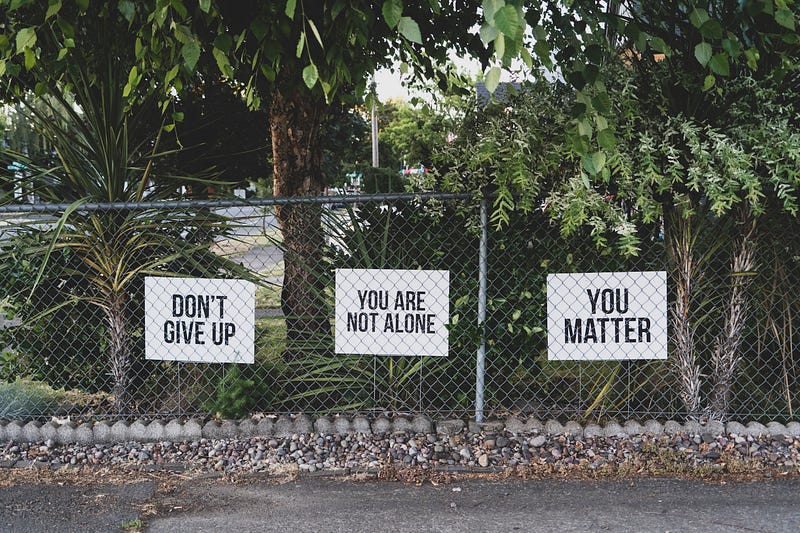
It is so easy to get overwhelmed in today’s world.
Too much to do. Way too many commitments. Fears, joys, and lots of rapid developments.
How is anyone going to cope? Develop and stay resilient.
Lesson to Learn
You cannot control the world — not even your small part of it.
It will just keep changing. Global events, including what is currently happening in Ukraine, can affect you; it can become terrifying and even numbing.
How can you cope?
Develop and maintain your resilience — the capacity to recover quickly from difficulties. Do you have it? If not, how can you acquire it?
News flash — you may already have it!
If you have survived COVID — maybe even excelled or had fun during the last year, you know what it is like to be resilient.
If you bounced back when down, laughed and moved ahead in your life, you know what it is — and can claim it as a trait you possess.
Answer for Me
I get rattled, sad, and have bad moments like everyone else. I may have highs and lows during one day — sometimes within the same hour!
If you also have, you know what it takes to be resilient.
I have learned that if I can put my best foot forward in all circumstances, I can help someone else. I do need private moments to recover, sleep, and reflect. I need to pray and spend time with my God. That’s ok.
We all need what helps us recover — as quickly as we can. What helps me recover is remembering that someone needs me.
If that is the case, I don’t want to let them down. Until my dying breath, I want to be helping and caring for someone. Resilience is needed for that. Therefore, I must be resilient.
Just recently, I was pretty upset by the events in Ukraine. As an Army officer, I remember preparing to fight in a war against the Soviet Union. I thought those days might be over for our nation and world. No chance — Putin decided to attack and deny the people of Ukraine their democratically elected officials. And, he put his nuclear arsenal on alert.
I had more than a few flashbacks. Not very pleasant. After reflecting, praying, and talking to my best friend and wife, Denise, about it, I was ready to resume my life with a smile. We even had some fun cross country skiing — which I really enjoy.
I demonstrated resilience.
Action
How do you handle setbacks?
What do you do to recover when you are hurting, scared, or down?
How do you get back to being positive, energized, and tackling your life again?
Look for a time you have done it in the past. What works for you? Try doing those remedies again.
Resilience is a muscle — the more you bounce back, the quicker and more likely you are to do so again.
If you lift weights, you get stronger. If you bounce back from lows, you build resilience. Like riding a bike, you can create muscle memory, so you know how to do it even if you haven’t done it recently. That is great!
Use this skill to help others see how you bounce back and build mental toughness.
Daily Habits
Focus daily on remaining resilient. Plan for setbacks.
What will you do if your day does not go as planned?
Can you roll with the punches and still make progress?
Having a set of responses and actions to use during a tough day can help weather the storm.
Just as important, commit to making it a good day despite what transpires. Give yourself the ability to bounce back by planning in advance.
Focus on having a good day. Take the steps necessary to do so.
Do you want more insights?
To learn more about leadership, visit me at www.macny.org.
To get a copy of my book Present-Future Leader, click here.